

LGBTQIA+ Community & Peer Support — Worldwide
Find ways to connect with LGBTQIA+ communities, peer-led groups, online spaces, local networks and identity-affirming communities — while keeping safety, privacy, accessibility and your own comfort in mind.
Peer support is not a replacement for crisis care
Community and peer spaces can offer connection, shared experience and encouragement, but they are not emergency services. If you or someone else cannot stay safe or needs urgent mental-health help, use the dedicated Crisis Support pathways.
Find the kind of community that suits you
Use as many or as few filters as you like. The finder helps you narrow the types of community and peer-support pathways that may be worth exploring.
Try clearing one filter or choosing a broader community type.
Online LGBTQIA+ Communities
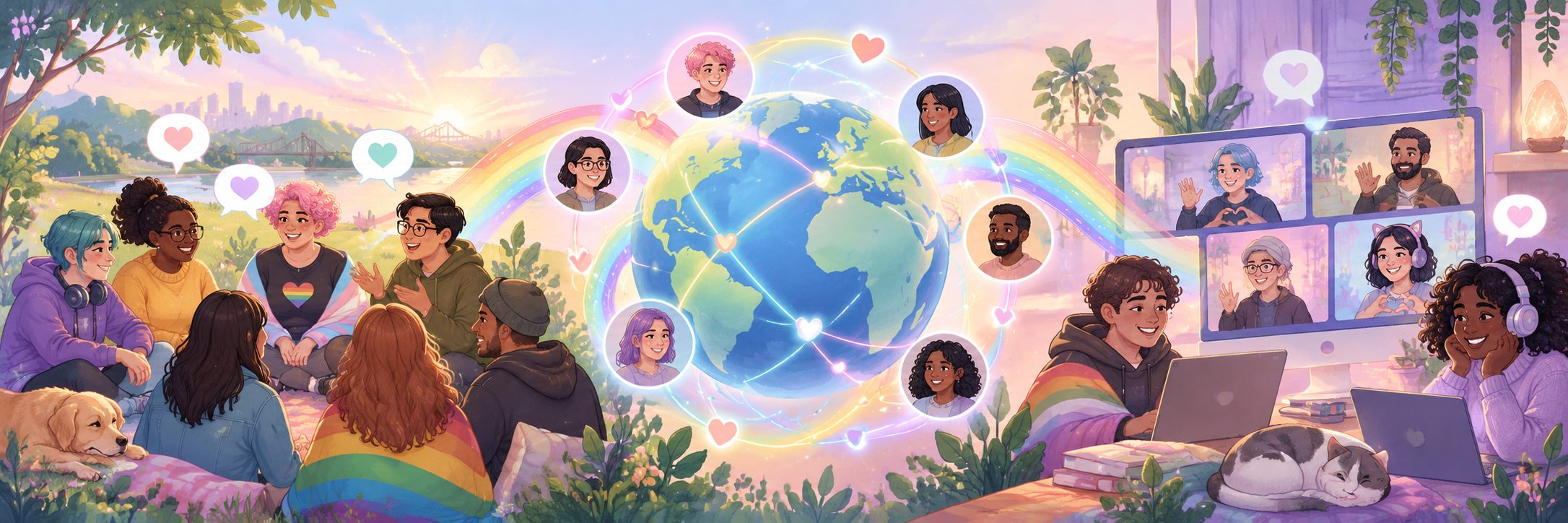
Forums, online groups, moderated communities, virtual meetups and social spaces can make connection possible without needing to travel.
Local & In-Person Groups
Community centres, local social groups, Pride networks and peer-led gatherings can provide face-to-face connection and belonging.
Peer-Led Support
Peer support is built around shared lived experience, mutual understanding and connection rather than clinical treatment.
Identity-Specific Communities
Some people feel more comfortable in spaces centred on a particular identity, life experience or intersection of identities.
Youth & Student Communities
Age-appropriate groups and student networks can help younger LGBTQIA+ people connect with peers and supportive adults.
Family, Whānau & Ally Communities
Families, partners, friends and allies may also benefit from their own support spaces, education and peer connection.
Neurodivergent & Disabled LGBTQIA+ Spaces
Intersectional communities may better understand sensory needs, communication differences, disability access and neurodivergent identity.
Advocacy & Rights Communities
Advocacy groups can offer education, rights information, community organising and opportunities to contribute to change.
Facilitated Support Groups
Some groups are facilitated by counsellors, health professionals or trained peer facilitators and may have clearer support boundaries.
Browse by broad region
The map is a navigation aid only. It does not detect your location. Online and worldwide communities can sometimes be useful when local options are limited, but always check age, privacy, moderation and eligibility rules.
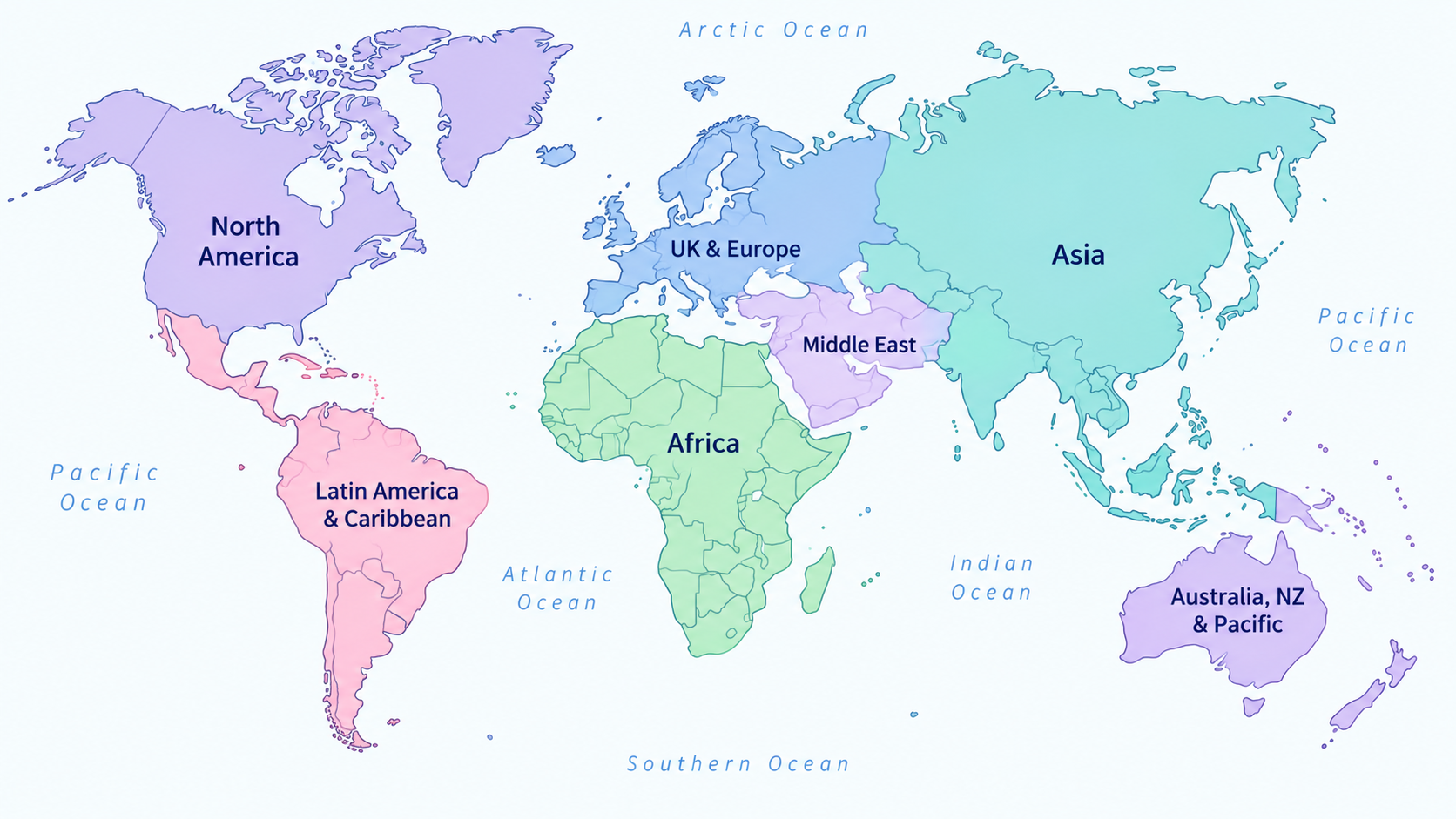
Keep the region broad for international and online connection, or choose a region to focus the finder.
Online / Anywhere can be a real community route
For people in rural areas, people who cannot travel, those who are not out publicly, disabled or neurodivergent people, or anyone who prefers lower-pressure communication, online spaces may be more accessible than local groups.
Community can connect with other kinds of support
LGBTQIA+ Mental Health
Understanding, wellbeing, support and affirming mental-health information.
Explore mental health →Mental Health Support & Community — Worldwide
Broader worldwide pathways for support, community and professional help.
Explore worldwide support →Support & Directories Hub
Use the wider support finder when you need services beyond this LGBTQIA+ community page.
Open Support & Directories →Teen & Youth Support Directory
Support pathways for teenagers, young people, families and supporters.
Explore youth support →Neurodivergence
Explore identity, communication, sensory needs and practical support for neurodivergent people.
Explore Neurodivergence →Accessibility & Rights
Information about inclusion, access, self-advocacy and rights.
Explore Accessibility & Rights →
A supportive community should respect your boundaries
No community is automatically safe just because it describes itself as inclusive. It is okay to look around, ask questions, leave, mute, block, report or choose a different space.
Find out whether posts, member lists or profiles are public, searchable or visible outside the group.
Look for clear rules, active moderation and a way to report harassment, discrimination or unsafe behaviour.
Youth communities should have appropriate safeguarding and age rules. Adults should not rely on informal groups for child safeguarding.
You do not need to share your legal name, exact location, workplace, school or other identifying information to belong.
Respectful communities allow boundaries, different experiences and repair when mistakes happen.
You are allowed to choose another group without having to justify yourself.
You can explore before you participate
Reading a group description, checking its rules, joining a public event, following an organisation, or saving a link for later can all be valid first steps.