
Hidden Disabilities Overview
A gentle introduction to hidden and less-visible disabilities, common experiences, fluctuating capacity and supportive next steps.

Aspie Answers · Hidden Disabilities · Access · Support · Inclusion
A calm, practical starting point for hidden and less-visible disabilities, chronic and fluctuating conditions, invisible barriers and access needs. Explore understanding, everyday life, education, work, accommodations, relationships, support, directories, resources and connected specialist pathways.
Explore the Hub
Start with the area that feels most useful today. You can move between understanding, practical support, rights and access, resources and specialist pathways.
A disability, health condition or support need can have a major impact even when another person cannot immediately see it. You do not need to prove everything at once before exploring information or practical support.
Browse by Area
These broad areas help organise the Hub without turning it into one enormous condition list. As the Hidden Disabilities family grows, some of these areas can become dedicated pages while remaining connected through this main Hub.
Interactive Pathway Finder
Search by need, life stage, setting, access requirements and who is looking. Every personal-context field is optional.
You do not need to fit one perfect label. Start with the barrier, support need, setting or next step that matters today.
A gentle introduction to hidden and less-visible disabilities, common experiences, fluctuating capacity and supportive next steps.
Browse focused guides for health, learning, school, work, access needs and practical support tools.
Explore pacing, flare days, energy limits, brain fog, pain, fatigue and other less-visible health experiences.
Find practical ideas for learning access, processing differences, clear instructions, sensory needs, breaks and flexible participation.
Workplace barriers, disclosure choices, reasonable adjustments, communication, pacing, flexibility and supportive management.
Understand practical ways to reduce barriers across home, education, work, healthcare, community and online spaces.
A practical support doorway covering accessibility, pacing, wellbeing, relationships, school, work and community support.
Find external services, organisations, community support, regional pathways and wider support directories.
Look up hidden-disability, functioning, access, pacing and support terminology in plain language.
Some neurodivergent experiences are less visible and may overlap with hidden disability while still having their own specialist pathways.
Mental health experiences can sometimes be less visible or overlap with disability and chronic-health needs. Use the specialist Mental Health area for deeper support.
Browse worksheets, planners, checklists, visual supports, guides and practical downloads across Aspie Answers.
The same person may need different supports in different settings. Useful changes can be environmental, communication-based, practical, social, educational, workplace-related or health-related.
Energy pacing, predictable routines, simple planning, recovery time, sensory comfort and reduced pressure can help day-to-day functioning.
Adults may need to notice patterns, believe less-visible needs, offer breaks and make support easy to ask for without embarrassment.
Extra processing time, accessible formats, quiet spaces, sensory breaks, flexible assessment and clear expectations can reduce barriers.
Flexible timing, written priorities, quieter environments, remote options, task clarity and planned breaks may help depending on the role.
Clear written information, longer processing time, consent-based communication, symptom notes and a support person can reduce appointment barriers.
Seating, quiet areas, clear signs, accessible queues, flexible entry and a choice of communication methods can make participation easier.
Access needs are real even when they are difficult to see. Exact rights and formal processes vary by country and setting, but a useful starting point is identifying the barrier and what may reduce it.
Written information, captions, AAC-friendly interaction, clear language and extra processing time can support different communication needs.
Lighting, sound, crowds, smells, seating, waiting areas and the ability to step away can all affect access.
Breaks, flexible timing, fewer unnecessary transitions, remote options and recovery time can help with fatigue or fluctuating capacity.
Seating, shorter routes, step-free access, accessible transport, mobility aids and reduced standing may be important even when mobility needs fluctuate.
Someone may share a diagnosis, describe only the functional impact or keep details private depending on the situation and local requirements.
Scripts, notes, support plans, communication cards and trusted people can help someone explain what they need without carrying the whole conversation alone.
Location-Based Support
Use the map or accessible selector to choose a region. This connects with the wider Aspie Answers Support & Directories system and does not detect your location.
Skip the visual map and use the accessible region selector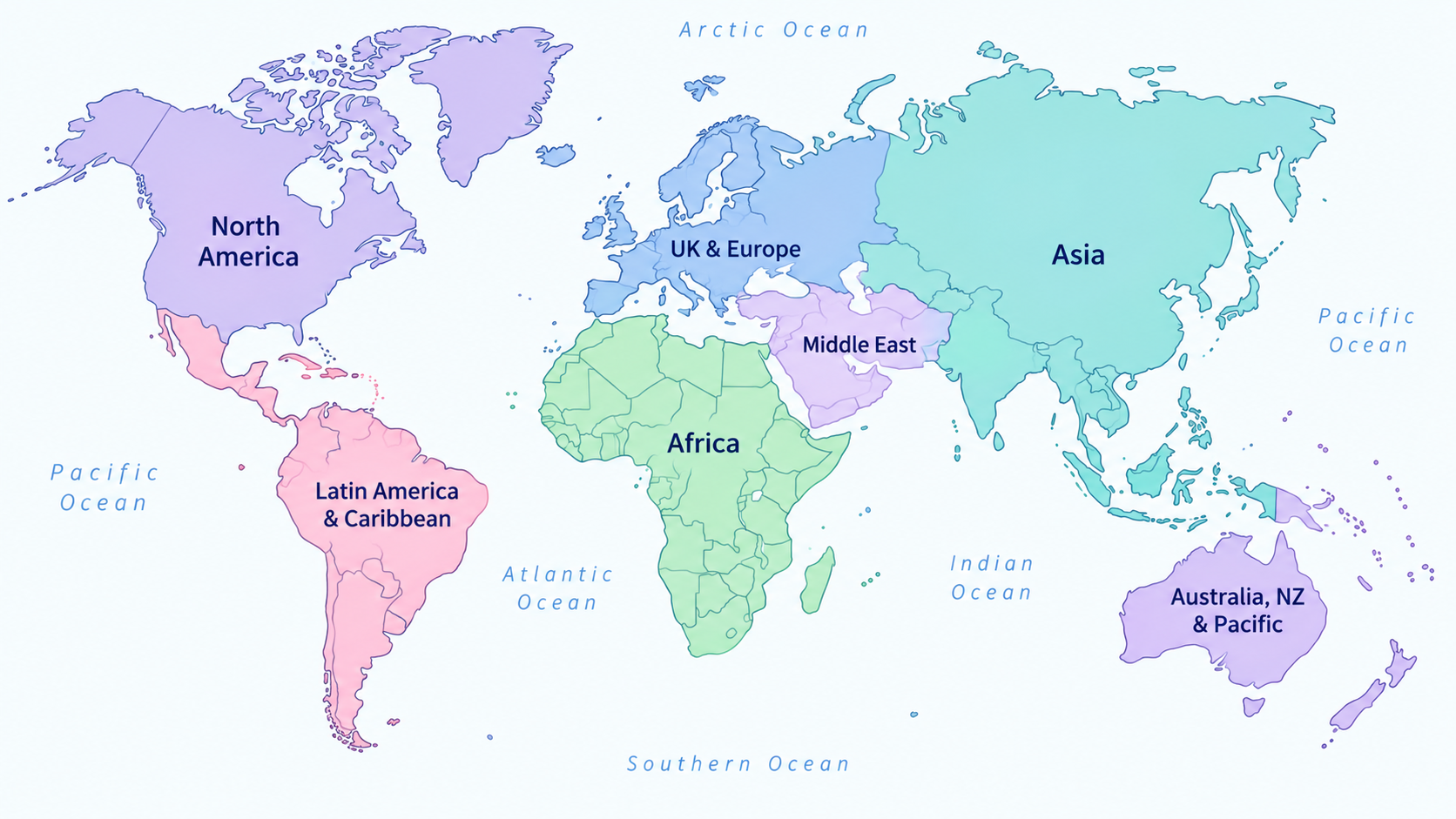
Tap a region or use the accessible selector below. Both controls use the same support pathway.
Connection & Belonging
Hidden disabilities can affect relationships, family life, friendships, community participation and the experience of being believed or understood. Support can include practical help, communication, advocacy, connection and simply having needs recognised without judgement.

Clear communication, flexibility and understanding changing capacity can support healthier relationships.
Listen to what the person says helps, avoid assumptions and make room for privacy, choice and different ways of participating.
Community groups, peer connection and accessible services can reduce isolation and help people find practical support.
This Hidden Disabilities Hub is for education, navigation and ongoing support. If someone is in immediate danger or needs urgent crisis help, use local emergency services and the dedicated crisis pathways.
No. Someone can still have real barriers and benefit from practical support while exploring what is happening, waiting for assessment or deciding whether formal diagnosis is relevant.
Yes. Pain, fatigue, sensory tolerance, concentration, mobility and processing can fluctuate. Flexible support may therefore be more useful than assuming capacity is always the same.
It can help to focus on impact and what helps: what becomes difficult, what barrier is present and what practical change would make participation easier.
Many settings have processes for accommodations or reasonable adjustments, although terminology and legal requirements vary by country.
There can be overlap, but these are not identical categories. Aspie Answers keeps specialist Neurodivergence and Mental Health areas distinct while connecting them when experiences or support needs overlap.
Use the Support & Directories Hub for external services, organisations, community support and location-based pathways. The Hidden Disabilities Support page is another practical starting point.
You do not need to explain everything at once. Start with the part that matters today: understanding what is happening, reducing an everyday barrier, asking for access, supporting someone else, finding a service or using a practical tool.