
Hidden • Invisible • Fluctuating • Chronic • Access-Aware
Hidden Disabilities Crisis Support
A calm starting point for people with hidden, invisible, fluctuating, partly visible or misunderstood disabilities who may need crisis support, accessible communication, practical help or a pathway that recognises pain, fatigue, sensory, mobility, memory, communication and processing needs.
Start With Safety and the Most Usable Pathway
Immediate Danger
If you or someone else is in immediate danger, at serious risk of harm, or unable to stay safe, use emergency or urgent crisis support first.
Open Emergency NumbersGentle & Accessible Note
Hidden disabilities can affect pain, energy, mobility, communication, sensory processing, memory, mental health and safety. You do not need to “look disabled enough” to deserve support.
Information Boundary
Aspie Answers provides education and navigation. This page does not replace emergency care, medical assessment, safeguarding, legal advice or professional crisis support.
Ways to Find Hidden-Disability-Aware Crisis Support

Hidden Disabilities Crisis Finder
Choose only what is useful. This specialist finder helps you narrow hidden-disability needs; use the Main Crisis Finder when you want to combine more detailed location, urgency, audience, situation and access filters.
Suggested Starting Points
Choose any details above, then select “Find Starting Points”.

Choose a Broad Region
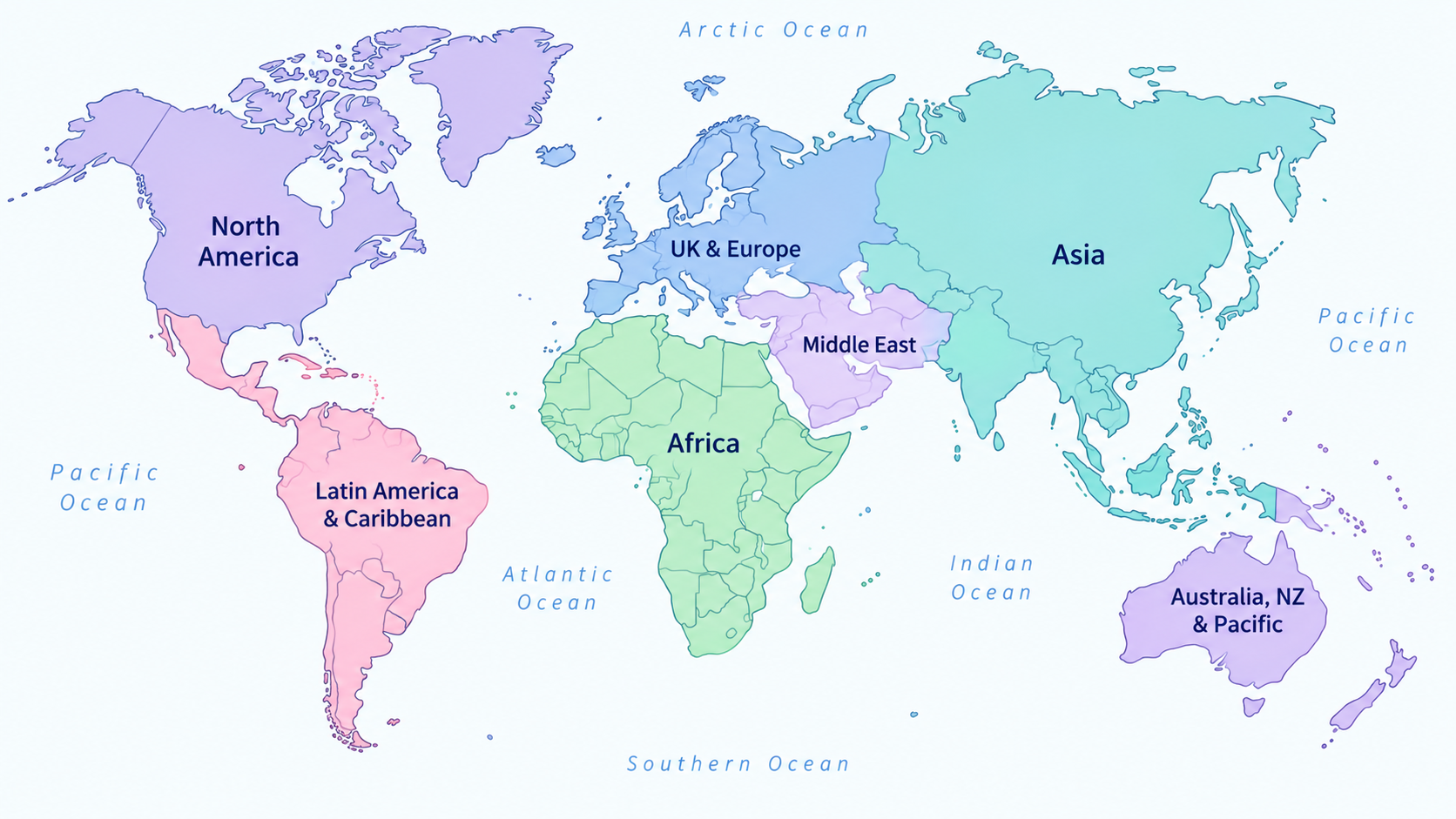
Use the map buttons or the accessible region list below to add a location to the Hidden Disabilities Crisis Finder. The map is a navigation aid rather than a precise geographic boundary map.
Accessible Region List

Search & Filter Support Pathways
Search by condition, symptom, access need or supporter role. These cards help describe crisis/access needs; they are not a substitute for condition-specific medical advice.
Tics, Communication & Stress
Stress and crisis can increase tics, fatigue, pain, communication difficulty or the need for a lower-pressure environment.
Pain, Fatigue & Sensory Sensitivity
Severe pain, exhaustion, brain fog, sleep disruption and sensory sensitivity can make crisis communication and safety planning harder.
Pain, Mobility & Flare-Ups
Joint pain, stiffness, inflammation and reduced mobility can affect transport, waiting, seating, medication routines and access to urgent support.
Very Low Energy & Post-Exertional Symptoms
Low energy, brain fog, post-exertional symptom worsening and limited communication capacity may require shorter, quieter and more practical support.
Dizziness, Fainting & Upright Intolerance
Standing, heat, waiting and travel may worsen symptoms. Access needs can include seating, rest, hydration and reduced physical demand.
Light, Sound, Pain & Processing
Migraine can affect vision, speech, thinking, nausea, sensory tolerance and the ability to answer questions quickly.
Seizure Safety & Recovery Needs
Support may need to account for seizure risk, post-seizure confusion, fatigue, memory gaps and medical-safety needs.
Persistent Pain & Crisis Load
Long-term pain can affect sleep, mood, mobility, concentration and the energy available for crisis planning or help-seeking.
Joint Instability, Pain & Mobility
Joint instability, pain, fatigue and autonomic overlap may change how someone can travel, sit, stand or wait for support.
Fluctuating Symptoms & Flares
Symptoms may vary quickly. Fatigue, pain, medication needs and immune-related concerns can affect which support options are usable.
Pelvic Pain, Fatigue & Flare-Ups
Severe pain, bleeding, fatigue and medical stress may affect mobility, concentration, emotional wellbeing and access needs.
Fatigue, Brain Fog & Multi-System Symptoms
Post-viral conditions can involve fatigue, cognitive changes, breathlessness, pain, autonomic symptoms and fluctuating capacity.
When Communication Needs Change Under Stress
Written information, AAC, extra processing time, lower sensory demand and a trusted support person can make crisis support more usable.
Open Accessibility SupportAnother Hidden or Fluctuating Disability
You do not need your condition to appear on this page to use these pathways. Start with the access need, crisis situation or support method that fits best.
Use Main Crisis FinderSupport Can Look Different Across Life
Children & Younger People
Age-aware pathways where parents, caregivers, schools or trusted adults may be involved in reaching crisis support.
Open Children & Youth SupportTeenagers & Young People
Support where school, family, independence, identity, pain, fatigue or disability access may shape the route.
Open Youth & Teen SupportAdults
Adults may need crisis support that also considers employment, caring roles, housing, health, mobility and independent living.
Use Main Crisis FinderOlder Adults
Later-life needs may overlap with isolation, bereavement, multiple health conditions, caring relationships and accessibility.
Open Older Adult SupportSupport for the Person in Crisis and the People Helping
I Have a Hidden Disability and Need Support
Use the finder, condition cards or access section to choose the easiest usable starting point.
Use Hidden Disability FinderParents, Carers, Family & Whānau
Guidance for people supporting someone through pain, fatigue, sensory distress, worsening symptoms or an urgent safety concern.
Open Parents & Carers SupportHelping Someone You Know
Friends and peers may need help recognising limits, reducing pressure and choosing when urgent professional help is needed.
Open Help-a-Friend GuidanceTeachers, Support Workers & Professionals
Professionals may need accessible communication, safeguarding, referral and follow-up pathways.
Open Professional SupportHidden Disability Crisis Is Not Always Obvious
Symptoms Can Fluctuate
Energy, pain, mobility, speech, concentration and emotional capacity can change from hour to hour or day to day.
Someone May “Look Fine”
A person may mask pain, fatigue, dizziness, panic, brain fog or sensory distress while still needing urgent support or accommodation.
Communication May Reduce Under Stress
Stress can make it harder to speak, explain symptoms, remember details, process questions or advocate for access needs.
Medical and Mental-Health Needs Can Overlap
Physical symptoms, medical trauma, anxiety, depression, grief, burnout and crisis can affect one another.
Practical Barriers Matter
Standing, travel, waiting rooms, bright lights, noise, stairs, cost, transport or lack of rest can make a service effectively inaccessible.
Being Dismissed Can Increase Distress
People may delay help after being told they “look fine” or having invisible symptoms minimised. Clear validation and access questions can reduce harm.
Make Crisis Support More Usable
Written Information
Ask for key information, next steps, addresses, medication instructions or safety plans in writing where possible.
Extra Processing Time
Short questions, pauses and one step at a time can help when pain, fatigue, brain fog or overwhelm affect processing.
Sensory Access
Quieter spaces, lower lighting, reduced crowding and fewer simultaneous demands may make support easier to use.
Trusted Support Person
A family/whānau member, friend, advocate or support worker may help communicate needs and remember information.
Mobility & Rest
Seating, rest breaks, reduced standing, accessible transport and physical access can be essential rather than optional.
Language & Communication
Interpreter, text/chat, AAC, relay or alternative communication can help when spoken communication is difficult.
Open Accessibility-Specific Crisis Support Open Text & Chat Support
Family, Friends, Carers & Professionals
Helpful Things To Do
- Believe the person even when symptoms are not visible.
- Ask what communication method is easiest.
- Reduce unnecessary sensory and physical demands.
- Offer practical help with one step at a time.
- Use urgent help if safety or medical risk is immediate.
Things To Avoid
- Do not say “you look fine”.
- Do not demand a perfect explanation.
- Do not dismiss pain, fatigue, dizziness or sensory distress.
- Do not assume silence means someone is ignoring you.
Professional Access Questions
- “What helps you communicate right now?”
- “Would written information help?”
- “Do you need a quieter space or somewhere to sit/lie down?”
- “Is there someone you trust who can help explain?”

Helpful Phrases To Use

Where To Go Next
Important Disclaimer
Aspie Answers provides education, signposting and supportive information. This page does not replace emergency care, medical advice, therapy, safeguarding, legal advice or professional crisis assessment. In an emergency, contact local emergency services immediately.