

LGBTQIA+ Support Directory
Find safer, inclusive and affirming pathways for LGBTQIA+ people, families, allies, supporters and professionals — including mental health, community, youth, rights, accessibility, crisis support and worldwide resources.
Need immediate or crisis support?
If you or someone else may be in immediate danger, cannot stay safe, or needs urgent mental-health support, use the dedicated Crisis Support pathways rather than this general directory.
Use the filters that matter to you
Keep everything broad or narrow the directory by audience, age, topic, support type, delivery method, location and access needs.
Try clearing one filter, choosing Worldwide, or using a broader search word.
Support, services and trusted routes
These cards connect into existing Aspie Answers pathways and specialist support areas. Check individual service details for exact availability, eligibility and access.
Mental Health & Wellbeing
Affirming information about LGBTQIA+ mental health, minority stress, safety, self-care and finding suitable support.
Open LGBTQIA+ Mental Health →Community & Peer Support
Explore in-person groups, online communities, peer support, safer-space guidance and ways to connect.
Explore Support & Community — Worldwide →Youth & Student Support
Support pathways for children, teenagers and young adults navigating identity, school, wellbeing and connection.
Open Teen & Youth Support Directory →Inclusive Professionals
Use broader professional pathways when looking for qualified, respectful and identity-affirming support.
Explore Professionals →Families, Whānau & Allies
Guidance for parents, families, friends and allies who want to provide respectful support.
Explore Parents / Families / Whānau →Rights, Advocacy & Accessibility
Explore inclusion, accessibility, rights, self-advocacy and routes for understanding harmful or discriminatory behaviour.
Explore Accessibility & Rights →Neurodivergence & LGBTQIA+
Explore overlap between identity, neurodivergence, communication, sensory needs, relationships and belonging.
Explore Neurodivergence →Resources & Downloads
Browse practical Aspie Answers worksheets, guides, planners and downloadable tools.
Open Resources & Downloads →Knowledge & Learning
Use the wider learning library for education, terminology and understanding across Aspie Answers topics.
Open Knowledge & Learning →Wider Support & Directories
Search beyond LGBTQIA+-specific pathways through the main Support & Directories Hub.
Open Support & Directories →Not Sure Where to Start?
Use the guided support route if you know something is difficult but are unsure which service or directory fits.
Find Your Support Path →Crisis & Immediate Support
Use the dedicated Crisis Support family for emergency numbers, urgent pathways, text/chat options and safety planning.
Open Crisis Support →
Support can be more than a clinical service
Community groups, peer-led spaces, social connection, identity-affirming organisations and online communities can all be meaningful forms of support.
Peer & community groups
Look for clear group expectations, respectful moderation, privacy information and a way to report harmful behaviour.
Online communities
Check whether spaces are public, searchable or private before sharing personal information. Peer experience is not automatically professional advice.
Identity-affirming organisations
Some organisations focus on connection, advocacy, education, health, youth, family support or particular LGBTQIA+ communities.
Explore support by region
Use the map or accessible region buttons. This map is a navigation aid only; it does not detect your location and does not mean every service is available everywhere in a selected region.
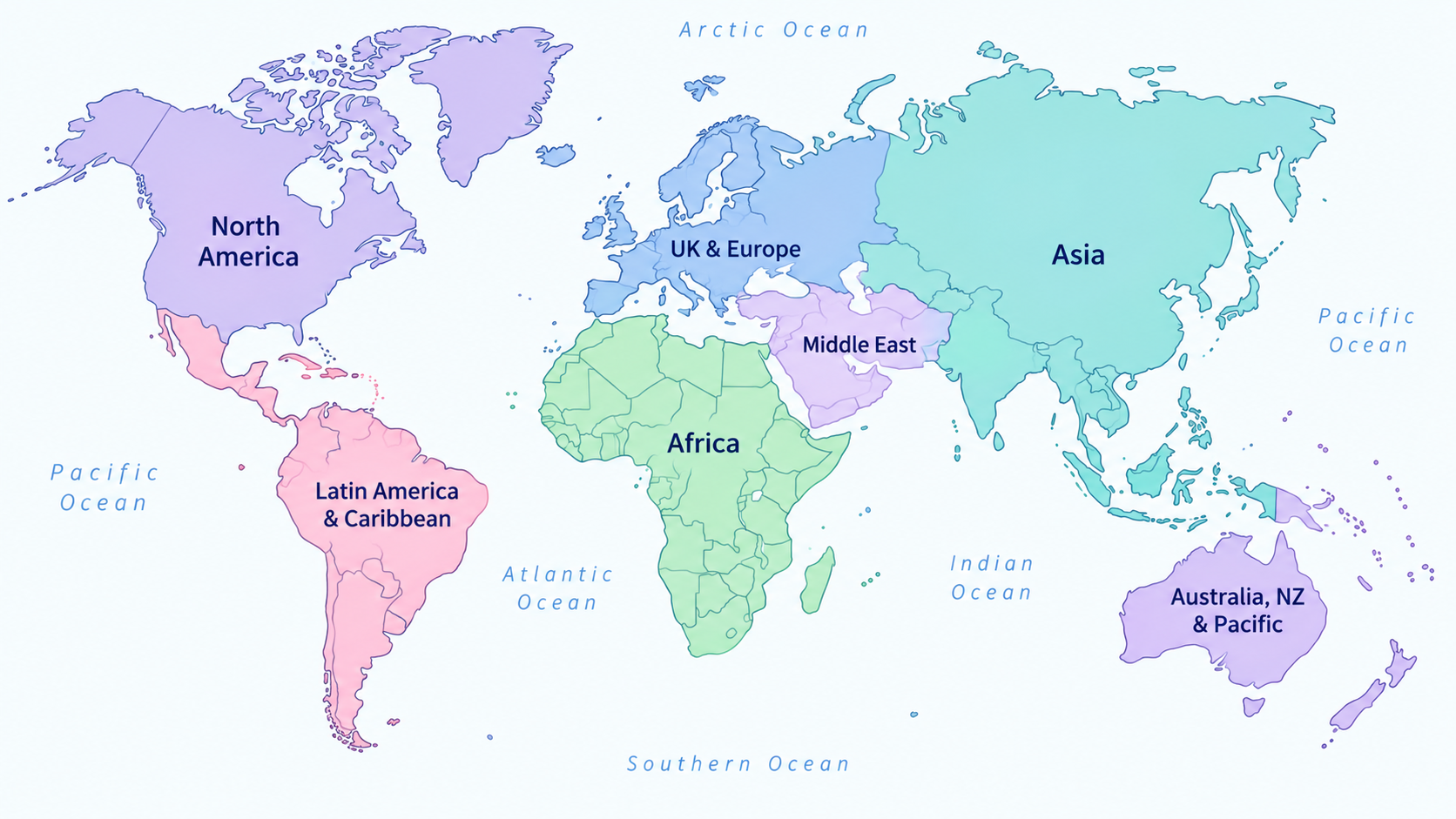
Keep the region broad for international and online options, or choose a region to focus the directory.
What to check before contacting a service
Support should respect your identity, safety and choices
You can ask questions before using a service. It is reasonable to want clear information about privacy, confidentiality, complaints, accessibility, fees, eligibility and how discrimination is handled.
Check confidentiality, records, privacy and what happens if someone believes there is an immediate safety risk.
Names, pronouns, identity, relationships, disability and neurodivergence should be handled respectfully.
Check physical access, sensory environment, communication options, support people and online alternatives.
A useful service should explain how feedback, complaints and unsafe behaviour are handled.
Choose one next step — you do not have to solve everything today
Try one filter, one region, one support pathway or one trusted contact. You can come back and explore another option whenever you are ready.