
Support & Directories
Find external help, organisations, directories and service pathways when information alone is not enough.
DirectoriesExternal Support

Aspie Answers · Neurodivergence · Support · Resources · Community
Find practical pathways into neurodivergent-friendly support, directories, accommodations, community connection, everyday resources and related Aspie Answers hubs. Start with what you need today — you do not have to know the perfect terminology first.
Support might mean a directory, a peer group, an accommodation, an accessible learning or work pathway, practical tools, family information, advocacy or simply finding people who understand. Use the sections that fit and skip the rest.
It helps you choose a useful direction, then moves you into the relevant Aspie Answers hub, topic family, directory or resource collection. Geography matters for services, so the location tool below is one pathway — not the only way to browse.

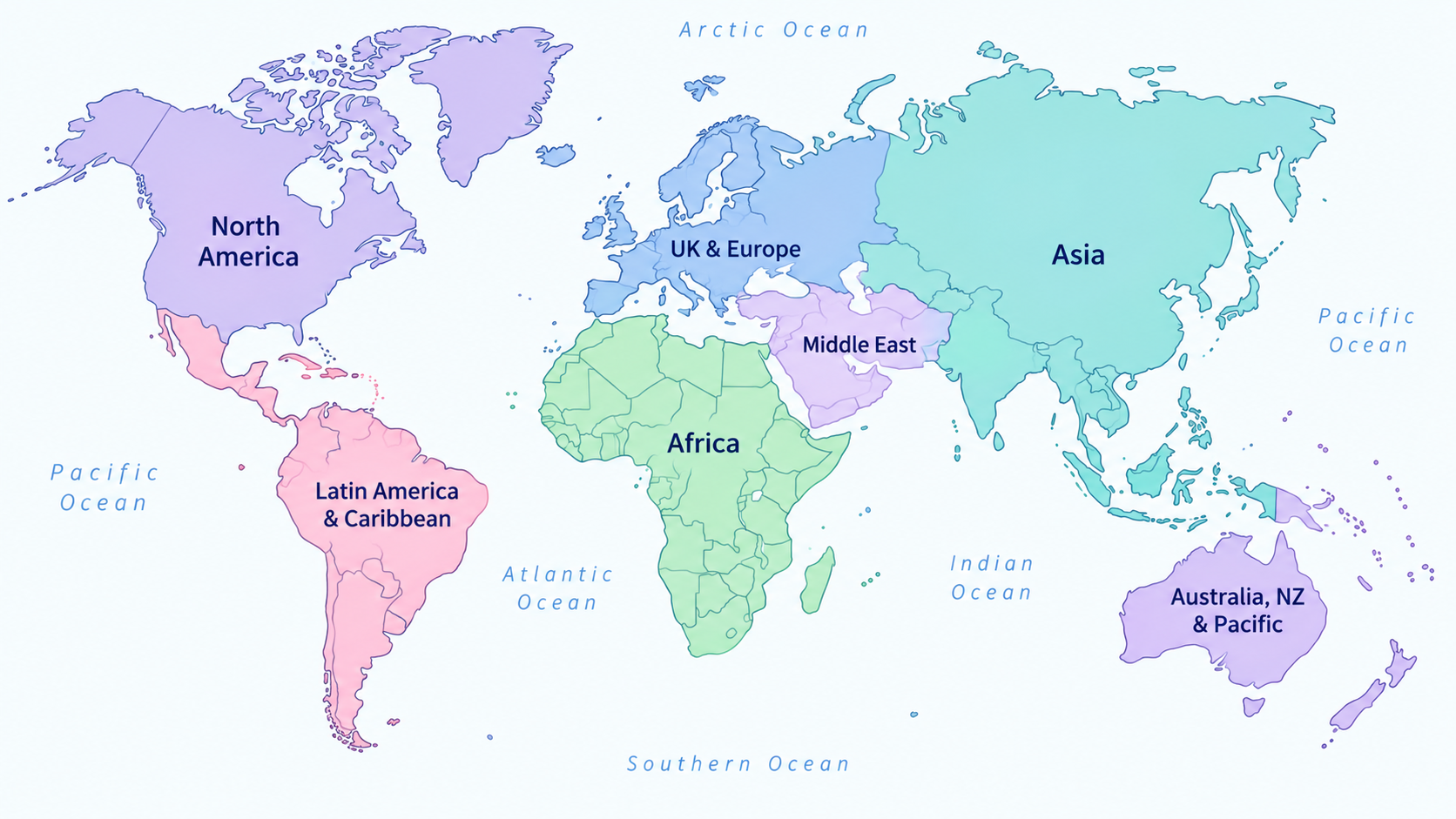
Choose a region on the map or use the region buttons. The map is an optional visual control: the buttons provide the same function for keyboard, screen-reader, Low-Stim and small-screen users.
Browse the support pathways below, then use Support & Directories for location-specific organisations and services.
Search or filter this hub by the type of support you want. These are pathway cards rather than unverified service listings, so each one leads into an established Aspie Answers destination.
Find external help, organisations, directories and service pathways when information alone is not enough.
Explore autistic communication, sensory experience, identity, routines, support and everyday life.
Attention, motivation, time, organisation, focus, executive function and practical ADHD support.
Explore the interaction of autistic and ADHD experiences, including attention, sensory needs, routines and energy.
Information and practical pathways for parents, caregivers and whānau supporting neurodivergent people.
Different ways of processing, learning and expressing information, with bridges into education and learning support.
Formal education, school, tertiary learning, teaching, access and inclusive-learning pathways.
Workplace inclusion, communication, adjustments, planning, job seeking and sustainable participation.
Planning, routines, organisation, executive function, pacing and practical day-to-day support.
Community participation, accessibility, identity, advocacy, acceptance and genuine belonging.
Worksheets, planners, checklists, visual supports, guides and growing practical collections.
Explore Companion-led tools and practical pathways for planning, learning, emotional wellbeing, rest and everyday life.
Community support can mean peer groups, shared-interest spaces, advocacy networks, moderated online communities, local meetups or simply connecting with people who understand similar experiences. Use this section as a practical starting point for connection, belonging, shared experience and safer participation.
Shared lived experience can offer practical ideas, validation, perspective and a sense of not having to explain everything from the beginning.
Online spaces can improve access for people limited by geography, energy, transport, communication or sensory environments.
Local groups, meetups, programmes and organisations can support belonging, practical connection and community participation.
Advocacy groups may provide information, peer voices, rights pathways and opportunities to improve inclusion.
Look for clear moderation, accessible communication, privacy expectations, consent and respectful community guidelines.
Belonging does not require one social style. Quiet participation, shared interests, online connection and smaller groups can all count.
Accommodations reduce barriers by changing the environment, communication, timing, task, format or expectation rather than asking the person to simply work harder against the barrier.
Written instructions, flexible assessment formats, movement or sensory options, processing time and predictable routines can improve access.
Clear expectations, communication choices, sensory changes, flexible scheduling and task supports can reduce unnecessary workplace barriers.
Visual supports, routines, reminders, easier task setups and pacing can make everyday responsibilities more manageable.
Direct wording, written options, AAC, reduced pressure and enough processing time can make communication more accessible.
Lighting, sound, movement, seating, quiet space and sensory tools can all affect whether someone can comfortably participate.
Knowing what helps, communicating it clearly and having choices about support can improve autonomy and participation.
This page is designed for general support discovery rather than emergencies. If there is immediate danger, contact your local emergency service. For Aspie Answers crisis-support information, use the site search so you reach the current crisis pages rather than an outdated link.
You can browse by location, by type of need, by neurodivergent experience, by life area or through practical resources. The useful pathway is the one that helps you find your next step without having to understand the entire support system first.