

Global Crisis Directory
Search crisis-support pathways by region, need and access preference.
Open Global Crisis Directory →

Urgent Help • Global Pathways • Accessible Support
If you need urgent help, feel unsafe, are supporting someone else, or are unsure where to begin, use this hub to find emergency numbers, helplines and crisis pathways by location, audience, topic, access need, culture and community.
Choose the closest option. You do not need to work through the whole page.
If there is immediate danger, a serious threat to life or an urgent medical emergency, contact the emergency service for your location.
This hub includes crisis, emergency and sensitive mental-health information. If you or someone else is in immediate danger, at serious risk of harm or unable to stay safe, contact local emergency services now.
You do not need to read or use every part of this page. Choose one route that feels manageable. You can search, use the finder, choose a map region or open one doorway.
Some pathways include information about suicide, self-harm, abuse, violence, trauma, addiction, eating disorders and other distressing situations. Choose only what feels useful right now.
Aspie Answers provides information and navigation. This page does not replace emergency services, medical care, crisis professionals or personalised clinical advice.
Choose only the details that are useful. You can leave any field blank. The finder will suggest existing Aspie Answers crisis pathways without assuming that a dedicated page exists for every possible situation.
Choose any details above, then select “Find My Starting Points”. You can also use the world map or search the full page below.
Search the pathways already on this page, or narrow them by support type. The finder choices above also narrow relevant cards where possible.
All locations
Choose a region directly on the map or use the accessible region buttons. The selection stays synchronised with the Crisis Finder above.
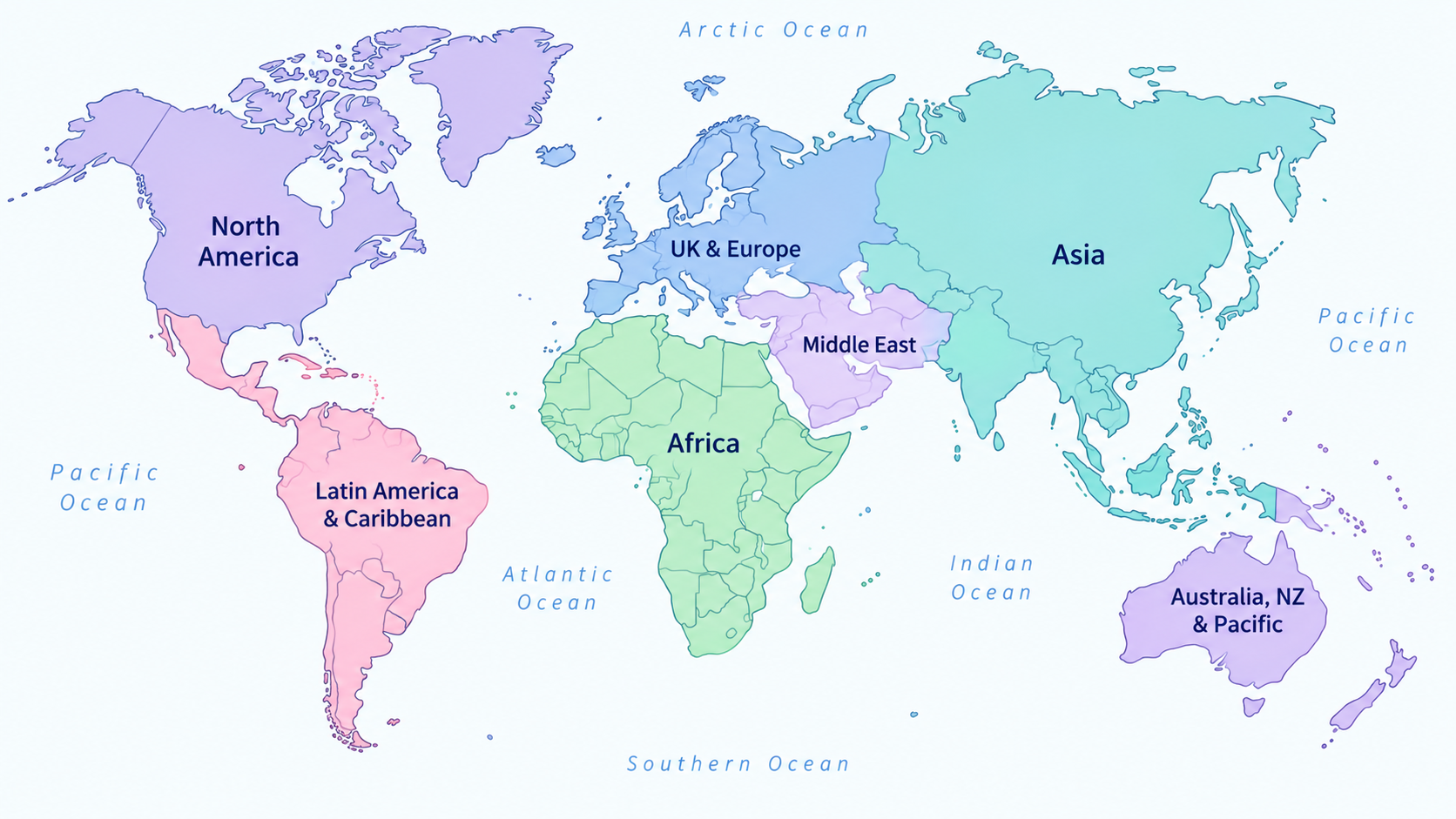
These buttons provide the same function as the map markers and are easier to use with keyboards or screen readers.
Start with the route that best matches what you need: emergency numbers, a crisis-service finder, helplines, text/chat, immediate coping or safety planning.
Search crisis-support pathways by region, need and access preference.
Open Global Crisis Directory →Find helpline and listening-support pathways across countries.
Open International Helplines →Quick access to emergency numbers by country and region.
Find Worldwide Emergency Numbers →Text, SMS, chat and online pathways when a phone call is not the best option.
Open Text & Chat Crisis Support →Grounding, sensory, body-based and emotional tools for difficult moments.
Open Immediate Coping Tools →Build a practical plan for warning signs, coping, trusted contacts and next steps.
Open Crisis Safety Planning →Find crisis support by region, country and local directory pathway.
Explore by location →Support pathways for children, young people, adults, families, carers, professionals and more.
Explore by audience →Browse support by the crisis, situation or concern being experienced.
Explore by topic →Communication, sensory, disability and alternative-access pathways.
Explore accessible support →Neurodivergent, disability, chronic-illness, LGBTQIA+ and inclusive crisis pathways.
Explore inclusive support →Pathways for people helping somebody else through crisis or distress.
Explore support roles ↓
Choose the pathway that most closely matches the person needing help.
Support for children, younger people, families and trusted adults.
Explore support →Age-aware crisis pathways for teens and young people.
Explore support →Guidance for adults caring for or supporting another person.
Explore support →Support relating to ageing, isolation, mental-health needs and crisis.
Explore support →These pathways are for people supporting another person through crisis or severe distress.
Crisis guidance for teachers, educators and school-support teams.
Open teacher support →Crisis pathways for support workers, disability-support workers and caregivers.
Open support roles →Support for families and whānau helping somebody access care or stay safe.
Open family support →Use location-based pathways for regional emergency, crisis and mental-health support.
New Zealand, Australia and Pacific-region pathways.
View Oceania →National and regional crisis-support pathways.
View New Zealand →Australian crisis and community-support pathways.
View Australia →North, Central and South America pathways.
View Americas →UK crisis and urgent-support pathways.
View United Kingdom →European crisis pathways and emergency information.
View Europe →Regional crisis-support pathways across Asia.
View Asia →Crisis-support pathways across African countries and communities.
View Africa →Phone calls are not accessible or comfortable for everyone. These pathways help people find support in different formats.
Text, SMS, web-chat and online crisis-support pathways.
Explore text/chat →Support pathways for people who cannot easily use standard phone-based services.
Explore accessible support →Grounding and coping options while seeking or waiting for additional support.
Open coping tools →Explore culturally relevant, identity-aware and community-specific support pathways.
Broad starting point for faith, culture, identity and community support.
Explore support →Community-specific and culturally responsive support pathways.
Open community support →Crisis pathways connected to faith, spirituality and community support.
Explore faith support →Support pathways for Māori individuals, whānau and communities.
Explore Māori support →Support pathways for Pasifika people, families and communities.
Explore Pasifika support →Identity-affirming crisis-support pathways.
Explore LGBTQIA+ support →Support pathways that recognise neurodivergence, disability, chronic illness and different support needs.
ND-aware pathways for autism, ADHD, overwhelm, shutdowns, meltdowns and burnout.
Explore ND support →Support relating to overwhelm, emotional dysregulation, impulsivity and crisis.
Explore ADHD support →Crisis pathways for invisible conditions and access needs.
Explore support →Support pathways for chronic illness and health-related crisis needs.
Explore support →These pathways help people find support according to the situation they are facing.
Support relating to trauma responses, flashbacks and severe distress.
Open topic pathway →Support relating to unsafe environments, coercive control and violence.
Open topic pathway →Support for bereavement, sudden loss and grief-related distress.
Open topic pathway →Pathways for eating-disorder crisis and urgent health concerns.
Open topic pathway →Support relating to alcohol, drugs, withdrawal and substance-related crisis.
Open topic pathway →Support for severe anxiety, panic and overwhelming distress.
Open topic pathway →If you are overwhelmed, one small grounding step may help while you connect with support. These ideas are optional and are not a substitute for urgent help.
Try noticing five things you can see, four you can feel, three you can hear, two you can smell and one you can taste.
If breathing exercises help you, try a comfortable breath in and a slightly longer breath out. Skip this if focusing on breathing feels worse.
“I am overwhelmed and need help finding support.” You can show or send the sentence instead of saying it aloud.
These main pages work together so visitors can enter the Crisis Support system in the way that makes the most sense for them.
Aspie Answers provides general information and navigation to help people locate support. Services, contact details and availability can change, so check the relevant provider or official service where possible.