
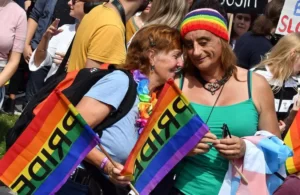
It’s Pride Month! Here are 20 ways in which you can do to support the LGBTQIA+ people in your life.
Gay pride or LGBT pride is the promotion of the self-affirmation, dignity, equality, and increased visibility of lesbian, gay, bisexual, and transgender people as a social group. Pride, as opposed to shame and social stigma, is the predominant outlook that bolsters most LGBT rights movements. (Image: freepik.com) 1. Be an ally In commemoration of the Stonewall riots of 1969, Pride month is celebrated every June to recognize the struggles and achievements of the LGBTQ community throughout history around the world. Parades, parties, rallies and other demonstrations are held globally in which LGBTQ people and allies not only dress in rainbow colors and celebrate, but also perform, give speeches and more to continue to push for cultural and political change. If you are someone who is not a member of the LGBTQ community, Pride Month presents a chance for you to express your support for your friends, family, coworkers, neighbors or other LGBTQ people in your life. Navigating how to appropriately be an ally can be tricky, but your support can help LGBTQ people feel heard and safe as well as be used to amplify LGBTQ voices as they advocate for equal rights. Here are just some of the things you can do as an ally not only this Pride month but also all year long to support the LGBTQ people in your life. 2. Educate yourself Source: fizkes/Shutterstock Don’t expect your loved ones to educate you. Show them you care by putting in time and work to understand them and the issues they are passionate about. There are so many resources out there from books to articles to guides from LGBTQ nonprofits, as well as movies and documentaries. Knowing about LGBTQ history, culture and activism will help you be a better and more informed ally. Making an effort to continue learning is one of the most important things you can do as you get older.Next 3. Don’t treat straight and cisgender as the norm Source: ELVIS BARUKCIC/AFP via Getty Images Part of educating yourself is also reframing how you view the world around you, which might mean unlearning certain expectations or assumptions. Only 4.5% of the population self-identifies as LGBT, according to Gallup estimates and The Williams Institute at the UCLA School of Law. However, treating everyone you interact with as if they are straight and cisgender — someone whose gender identity aligns with the sex assigned to them at birth — can be embarrassing and othering to people who are LGBTQ. Practicing the use of inclusive language and avoiding gendered language like “girlfriend” or “you guys” are small ways to normalize sexual orientations or gender identities besides your own. 4. Let them come out in their own time Source: pixelheadphoto digitalskillet/Shutterstock Being supportive is one of many ways to be a better friend. Support the LGBTQ people in your life by letting them come out in their own time. If you suspect that someone you know or love is LGBTQ, don’t call them out on it, interrogate them or pressure them to tell you. You might feel that it’s about you — that they don’t trust or care about you. However, according to the Human Rights Council, they simply may not be ready, may not feel safe, or may still be coming to terms with their own sexual orientation or gender identity.Next 5. Don’t stereotype Source: Lucky Business/Shutterstock This is likely one of those life lessons you learned from your parents, but not stereotyping is a crucial way to support the LGBTQ community. Just because someone comes out to you does not mean they are going to start acting like a stereotypical character from a popular TV show or movie. People who are LGBTQ are extremely diverse; they come from all walks of life and can be from any race, ethnicity, nationality, religion or socioeconomic background, something that is not always represented in fiction. They also dress different ways, speak in various manners, and express femininity and masculinity in all sorts of ways that aren’t necessarily connected to their sexual orientation or gender identity. 6. Never out them to anyone Source: fizkes/Shutterstock Coming out is personal, and it can also be very dangerous. Prejudice and discrimination, both legal and illegal, are still very common for LGBTQ people in America. Disclosing or referring to someone’s gender identity or sexual orientation could endanger them and even put their physical safety at risk. Let your loved one come out at their own discretion.Next 7. Don’t refer to them as ‘my LGBTQ friend’ Source: Gorodenkoff/Shutterstock Although it is a part of their identity, there is more to a person than their sexual orientation. They should be much more to you than “my trans friend” or “my asexual friend.” Don’t let it define them for you. Seeing and loving them for who they are is a great way to build friendships that will stand the test of time. 8. Be inclusive Source: Monkey Business Images/Shutterstock In a world that still isn’t as LGBTQ-friendly as it could be, it can get lonely. Make sure to support your LGBTQ friends by including them in plans, inviting them to meet your family or just hanging out with them in general. Don’t make them feel as if they’re someone you want to hide or keep away from the rest of your social circle. Also include the partner of your LGBT loved one in events and activities just as you would any other spouse or significant other.Next 9. Speak up fizkes/Shutterstock Being a good friend or family member means having your LGBTQ friend’s back. If you hear someone using a slur, making a disparaging remark or telling a joke that stereotypes LGBTQ people, speak out against it — even if it isn’t directed at your loved one or they’re not around. Make sure others know that you find it offensive. 10. Offer to inform other friends and family Source: FREEPIK2/Shutterstock You may have friends or family members that are not as understanding or accepting of LGBTQ issues and identities as you would like them to be. They might