
Accessibility & Inclusive Support
Find support that fits the person — not just the label
Accessibility can mean different things to different people. This page helps visitors explore inclusive support by location, disability or neurodivergent experience, communication preference, access need and community context.
Someone may need wheelchair access. Another person may need AAC, Easy Read information, sensory-friendly services, interpreters, culturally responsive support, LGBTQIA+ affirming services or a provider who understands neurodivergence.
These needs can overlap. This finder is designed to help visitors explore those overlapping needs without forcing everyone into one single category.
Choose only the information that feels relevant to you
You do not need to fit one disability, identity or support category to use this page. Many people have overlapping access needs, and those needs may change depending on the environment, situation or life stage.
Community and identity filters are optional. Visitors choose them for themselves — Aspie Answers does not assume or infer someone's culture, gender, sexuality, disability or other identity.
Use this page as a starting point, not a guarantee of service access
Aspie Answers provides general navigation and accessibility information. Service availability, eligibility, accessibility features and response times can differ by provider and location, so check directly with the service when you need current or individual access information.
If you need urgent crisis or safety support rather than general accessibility guidance, use the Crisis Support main doorway.
Several ways to find the support pathway that fits

Where are you looking for support?
Select a broad region first, then add a country or place if that helps you organise what you are looking for. This page does not detect your location.
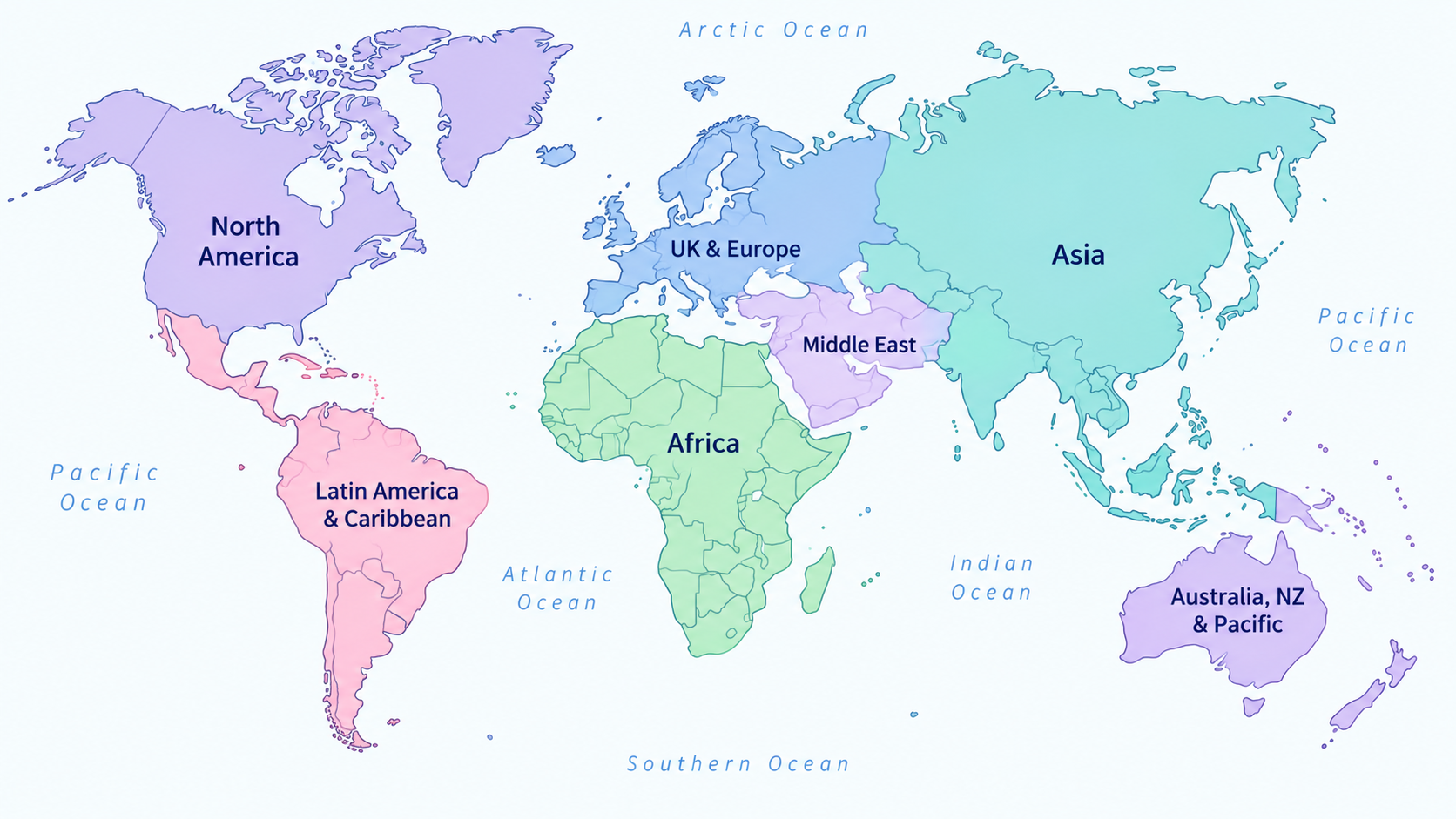
The map is a navigation aid and does not detect your location. An accessible region selector is provided below.
Use this selection alongside the access-need and community filters below. Always confirm local coverage and accessibility directly with a service.
Accessibility is broader than physical access
A ramp may be essential for one person, while another person needs reduced sensory load, communication support, Easy Read information, captions, an interpreter or more processing time.

What kind of support would help?
Choose a pathway below. You can combine an access-need filter with a community-context filter and the search box.
Access, disability & neurodivergence
Would specialist or community-specific support matter to you?
These filters are optional. Choose only what helps you find support that understands your circumstances.

Search the support pathways
Try words such as AAC, sensory, Autism, ADHD, AuDHD, hidden disability, Māori, Pasifika, LGBTQIA+, interpreter, education, employment, transport or family.
Showing all support pathways.
Try clearing one filter or using a broader search term.
Communication & AAC Support
Find support for speaking and non-speaking communication, AAC devices, communication boards, visual communication, typing and other ways of expressing needs, choices and ideas.
Sensory Accessibility
Explore support that considers sound, lighting, crowds, smells, textures, waiting areas, quiet spaces and sensory recovery.
Mobility & Physical Accessibility
Find support that considers wheelchair access, mobility aids, accessible entrances, seating, facilities, transport and physical environments.
Blind & Low-Vision Support
Explore support offering screen-reader access, Braille, audio information, large print, accessible documents and practical navigation support.
Deaf & Hard-of-Hearing Support
Find services that may provide captions, sign-language access, visual information, communication alternatives and other hearing-access support.
Learning Disabilities & Differences
Explore support for different ways of learning, including learning disabilities, learning differences, intellectual disability, accessible information and inclusive education.
Easy Read & Accessible Information
Explore clearer language, visual structure, accessible formatting and other approaches that can make information easier to understand and use.
Neurodivergent Support
Explore inclusive support across communication, sensory needs, executive functioning, education, employment, daily life, self-advocacy and community participation.
Autism Support
Explore practical and inclusive support for autistic people across communication, sensory needs, daily life, education, employment, relationships, self-advocacy and community participation.
ADHD Support
Find support for executive functioning, attention, organisation, time management, working memory, emotional regulation, education, employment and everyday life.
AuDHD Support
Explore support for people whose autistic and ADHD experiences overlap, including executive function, sensory needs, masking, burnout, communication and everyday life.
Hidden & Non-Visible Disability Support
Find support where a disability or access need may not be immediately visible, including communication, sensory, cognitive, neurological, fatigue and other non-visible needs.
Inclusive Education Support
Explore accessible learning, classroom adjustments, disability support, tertiary education, study support and inclusive education pathways.
Inclusive Employment Support
Find workplace access information, employment services, disability employment support, reasonable adjustments and inclusive work pathways.
Independent Living & Everyday Support
Explore support with home life, life skills, routines, planning, independent living and participation in everyday life.
Accessible Transport & Travel
Find pathways relating to accessible transport, mobility, travel planning and reducing barriers to community participation.
Accessibility Rights & Advocacy
Explore disability rights, advocacy, accessibility, accommodations, self-advocacy and ways to challenge access barriers.
Language & Interpreter Support
Find support where language, translation, interpreting or culturally appropriate communication is important.
Culturally Responsive Support
Explore organisations and services that recognise culture, community, family, language and culturally specific approaches to disability and neurodivergent support.
Māori Disability & Neurodivergent Pathways
Explore culturally responsive support where Māori identity, whānau, community, language and kaupapa Māori approaches are important parts of accessible support.
Pasifika Disability & Neurodivergent Pathways
Explore support that respects Pasifika cultures, families, communities and different approaches to disability, neurodivergence and wellbeing.
Migrant & Refugee Support
Explore accessible support where settlement, language, cultural understanding, disability or neurodivergence may overlap.
LGBTQIA+ Affirming Support
Explore services that are welcoming and affirming of LGBTQIA+ people while also recognising disability, accessibility and support needs.
LGBTQIA+ Neurodivergent Support
Explore affirming support for people whose LGBTQIA+ and neurodivergent experiences overlap, without requiring either part of their identity to be separated from the other.
Women & Girls
Explore support where the experiences of women and girls are relevant to disability, neurodivergence, recognition, access or community support.
Men & Boys
Explore specialist support and community pathways for men and boys where gender context is useful.
Trans, Non-Binary & Gender-Diverse Support
Find affirming support that respects gender identity while also understanding disability, accessibility or neurodivergence.
Intersex-Inclusive Support
Explore affirming services where intersex experiences or variation in sex characteristics are relevant to support.
Children & Young People
Find inclusive pathways for children, teenagers and young adults, including family, education and transition support.
Older Adults
Explore accessible services that recognise ageing, disability, neurodivergence and changing support needs.
Family, Whānau & Carer Support
Find information and services for families, whānau, carers and supporters while keeping the disabled person's own voice, choices and autonomy central.
Rural & Remote Support
Explore options where distance, transport, smaller communities or limited local services affect access to support.
Other Specialist & Intersectional Support
Some people need support that crosses several categories at once. Use this pathway when no single label describes the mix of access, identity, disability or practical needs that matter.

Inclusion works better when people do not have to leave parts of themselves at the door
Disability, neurodivergence, culture, language, gender, sexuality, age, family circumstances and location can all influence whether a service feels genuinely accessible.
Inclusive support does not require every provider to specialise in every possible need. It does mean respecting the whole person and helping them reach support that understands what matters to them.
Accessibility can include culture, identity and belonging
Accessible support should recognise the whole person
Someone should not have to choose between disability access, cultural understanding, neurodivergent support, communication access, accessible information or an affirming community.
Use this finder as a starting point, then check the accessibility, eligibility, location coverage and contact options of the service or support pathway you choose.
Different minds. Better connection.