Wellbeing & peer support
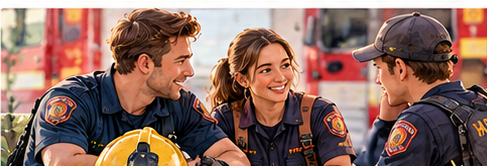
A trusted colleague, peer supporter or wellbeing officer may be a first point of contact. Peer support can help people feel heard and guide them toward professional care when needed.


Firefighters, volunteer crews, fire investigators and their loved ones may face demanding and sometimes distressing experiences. This guide explores ways to recognise stress, seek support, communicate accessibly and connect with relevant resources. You deserve support during your service, after difficult incidents and throughout recovery.
Explore topics and regional starting points. These filters only search the information shown on this page; they do not search live GeoDirectory listings or confirm service availability.
Showing all topics and regional starting points.
If someone is in immediate danger, contact the emergency service for their current country or location. If you need emotional support, contact a locally available crisis line or healthcare professional. Services listed below have location and eligibility limits.
A trusted colleague, peer supporter or wellbeing officer may be a first point of contact. Peer support can help people feel heard and guide them toward professional care when needed.

Offer written information, plain language, quieter meeting spaces, interpreters or alternative communication methods where needed. Ask people how they prefer to communicate.

Clear roles, handovers and communication can reduce uncertainty during demanding incidents. Follow your organisation's operational and safety procedures.

Partners, children and other loved ones may also need information, reassurance and practical support. Families can ask about eligible workplace and community support options.

Recovery can involve rest, reconnection, adjustments to workload and professional help. Everyone's timeline is different; returning to routine need not mean rushing.
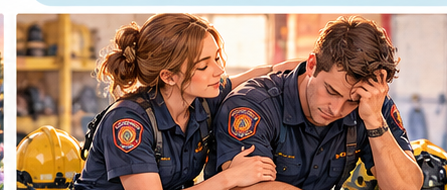
Listen without judgement. Avoid pressuring anyone to describe traumatic events. Ask what would be helpful, respect privacy and offer choices about next steps.
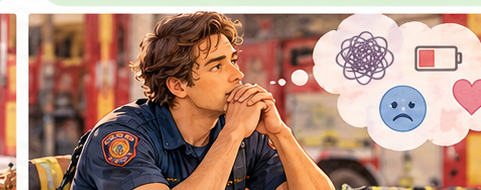
Changes in sleep, mood, concentration, relationships or alcohol use can be reasons to check in. Seek professional assessment when symptoms persist, worsen or affect everyday life.
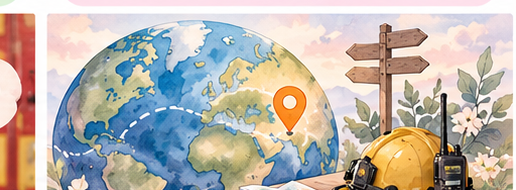
Use the country-specific links below as starting points. A service listed in one country may not accept enquiries from elsewhere.
Consider your fire service's confidential wellbeing programme, occupational health service, peer-support coordinator, union or association, family assistance programme, primary care clinician or a mental health professional familiar with emergency services. Ask about eligibility, confidentiality, language access, cost and whether support is available to volunteers, retirees and families.
If a colleague is struggling, check in privately, listen and help them access the support they choose. If there is an immediate safety concern, follow local emergency procedures.
New Zealand Firefighters Welfare Society — External Support Agencies: firefighter and family pathways, including Fire and Emergency support.
Fire and Emergency New Zealand: organisational information; personnel may also access internal wellbeing services.
For immediate danger in New Zealand, call 111. For free mental wellbeing support, call or text 1737.
International Association of Fire Fighters — Behavioral Health: education, peer support and firefighter-focused resources; programme access and eligibility vary.
IAFF Center of Excellence — Resources: educational materials for fire service personnel and families. Treatment programme eligibility is restricted.
In the United States or Canada, call or text 988 for suicide crisis support where available; use local emergency services for immediate danger.
Ontario first responder mental health resources: links to support options for serving and retired public safety personnel and families. Check each provider's service area.
Contact your local fire service, firefighter association, national health service, employee assistance programme or emergency-service wellbeing organisation. We will add further verified regional pathways as the worldwide directory expands; no unverified country-specific service is implied here.
Make help-seeking easier by sharing confidential routes to care, respecting individual communication needs, allowing time for recovery and offering follow-up rather than a single conversation. Avoid assumptions about who may be affected: career firefighters, volunteers, trainees, retired personnel and support staff can have different experiences.