Watercolour illustration of a diverse group of humanitarian and disaster-response workers standing together at a relief site
Crisis Support by Audience · Worldwide

Humanitarian & Disaster Responders — Crisis Support Worldwide

Humanitarian workers, disaster responders, local volunteers, translators, drivers, medical and logistics staff, community organisers, and other helpers may face intense demands before, during and after emergencies. People affected by disasters deserve thoughtful support — and so do the people responding.

This page offers a calm starting point for recognising stress, protecting safety, supporting one another, finding culturally respectful help and reconnecting after difficult work. Start with just one section if that feels manageable.

Choose a starting point

Humanitarian & disaster responder support finder

Search the topics and resources on this page, or choose who needs support, your main concern and a region. The results below will narrow to match your choices.

This finder filters the topics and links shown on this page only; it does not search the GeoDirectory or identify your location automatically.

Support that includes the helpers

Wellbeing, safety & connection

There is no single right response to stressful events. Work roles, culture, previous experiences, disability, access needs and the conditions around a disaster can all shape what support is useful.

Humanitarian volunteer listening with care to an overwhelmed colleague

Emotional wellbeing & peer support

Repeated exposure to loss, insecurity and urgent decisions can affect sleep, concentration, mood and relationships. Small, respectful check-ins and confidential professional support are valid options. No one should be pressured to recount distressing experiences.


Two disaster responders in safety equipment reviewing conditions at a response site

Field safety & assessment

Use your organisation’s safety plans, field briefings, communications protocols and local expertise. Recognise when conditions have changed, ask for backup and escalate unsafe work. A supportive response should not require unnecessary personal risk.

Community volunteers working together to distribute relief supplies

Teamwork & aid distribution

Clear roles, handovers, realistic workloads and shared decisions support people delivering aid. Work with affected communities and local partners, respect their priorities and avoid duplicating services.

Response worker using accessible visual communication to support an older community member

Accessible communication

People may need plain language, interpreters, visual aids, accessible formats, AAC or extra processing time. Check what works for each person; communicate with dignity and protect privacy and informed choice.

Humanitarian volunteer taking a quiet rest break with a warm drink

Rest, recovery & recharge

Food, water, rest, safe accommodation, predictable breaks and time away from distressing material are important. When symptoms persist or interfere with daily life, consider professional support. Rest is not a failure of commitment.

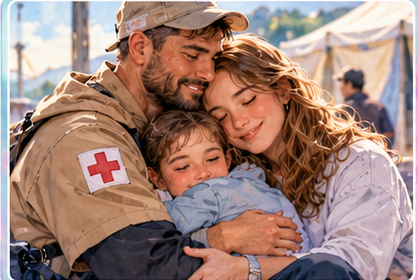
Humanitarian worker reuniting warmly with family and whānau

Family & whānau connections

Deployment and disaster-related work can affect partners, children and supporters. Where safe and possible, agree on realistic ways to communicate and reconnect. Families may need their own support before, during and after deployment.

Watercolour globe surrounded by caring hands and botanical flowers

Worldwide support networks

Resources can help staff, volunteers and communities plan mental health and psychosocial support. Ask about local clinical care, occupational support, peer programmes and crisis services; availability varies widely by country and organisation.

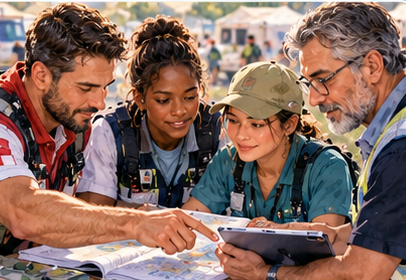
Diverse disaster response team planning community recovery together

Coordination & community recovery

Recovery can extend well beyond the initial response. Work with local leaders and community organisations; plan handovers, build staff support into programmes, and listen to people with lived experience of the disaster.

Practical pathways

Supportive next steps for people and teams

If you are responding or volunteering

  • Check immediate safety and basic needs; follow local security and emergency protocols.
  • Talk with a trusted colleague, supervisor or appropriate support person if stress is building.
  • Ask your organisation whether confidential counselling, occupational health, peer support or time off is available.
  • Seek professional care if distress, sleep difficulties or other symptoms persist or worsen.

If you coordinate or lead a response

  • Share clear tasks, breaks, accessible communication and safe escalation pathways.
  • Include local staff, volunteers and community members in decisions; avoid one-size-fits-all assumptions.
  • Make staff and volunteer care a shared organisational responsibility, not solely an individual task.
  • Offer confidential routes for complaints, safeguarding concerns and professional support.

Psychological first aid means humane, practical and respectful support; it does not mean diagnosing, forcing disclosure or delivering therapy without training.

Relationships also matter

For families, whānau & people supporting responders

Being away, witnessing difficult events, or returning home after prolonged response work can change how someone feels and communicates. Simple offers — a quiet space, food, a practical task or a chance to reconnect — may help more than insisting on a detailed conversation.

Respect what a responder can safely share about affected people and their work. You can ask what kind of connection would help, while protecting your own wellbeing. If someone appears unsafe or at serious risk, seek urgent local professional help.

Check availability and eligibility

Worldwide guidance & country-specific crisis support

Educational guidance is not the same as a crisis service. These carefully selected links include support-planning resources and helplines. Country-specific services may be restricted by location, method of contact or eligibility. Always confirm details with the provider.

WORLDWIDE · EDUCATIONAL GUIDANCE

Red Cross / Red Crescent MHPSS Hub

MHPSS Hub shares mental health and psychosocial support resources that can help staff, volunteers and organisations plan a supportive response. This is not a personal emergency helpline.

WORLDWIDE · EDUCATIONAL GUIDANCE

WHO psychological first aid

Psychological first aid: Guide for field workers explains respectful, practical assistance after distressing events. Available in multiple languages; not a substitute for trained emergency or clinical care.

WORLDWIDE · FIND LOCAL HELPLINES

Find A Helpline

Find A Helpline helps people search emotional and crisis support services by country and need. Available contact methods, opening hours and eligibility depend on the helpline.

NEW ZEALAND · EMOTIONAL SUPPORT

1737 — Need to talk?

1737 provides information and support pathways in New Zealand, including emotional distress and family/whānau support. In an immediate emergency, call 111.

AUSTRALIA · CRISIS SUPPORT

Lifeline Australia

Lifeline provides crisis support options and information in Australia. Use the website for current call, text or chat availability. Immediate emergency: 000.

UNITED KINGDOM / IRELAND · LISTENING SUPPORT

Samaritans

Samaritans offers listening support in the UK and Ireland. Check the site for available contact methods. For immediate danger use your local emergency number.

UNITED STATES · CRISIS SUPPORT

988 Suicide & Crisis Lifeline

988 Lifeline provides US-based mental health and crisis support by call, text and chat. Immediate danger: 911.

CANADA · SUICIDE CRISIS SUPPORT

9-8-8 Suicide Crisis Helpline

9-8-8 Canada offers Canada-wide suicide crisis support by call or text. In an immediate emergency, call 911.

Continue gently

Related Aspie Answers pathways

A gentle reminder.

People who help others also deserve rest, dignity, safety and support. You do not need to have the perfect words or cope alone. Aspie Answers provides accessible information and signposting, not individual clinical advice, rescue coordination or emergency intervention. External service details may change; check them directly.