

I want someone to talk things through with
Counselling or psychotherapy may be useful places to explore when you want structured emotional support, coping strategies, reflection or help working through experiences.


Find your way through counselling, therapy, psychology, psychiatry, online support, low-cost options, inclusive services and other mental-health support pathways — wherever you live.
Different places. Different systems. A clearer way to start.
This page is for finding non-emergency mental-health support. If you or someone else may be in immediate danger or needs urgent crisis help, use the Crisis Support Main Index.
You do not need to work through this page in order. Use the map, support finder, filters or section links to start with the part that feels most manageable. Low-Stim Page View is available above if you prefer a quieter version of this page.
Mental-health professions, titles, costs, referral rules and regulation differ between countries. This page is an educational navigation and planning guide, not a live provider directory, and it does not replace professional assessment, diagnosis, treatment or local emergency advice. Service availability, eligibility and fees can change, so verify current details with the service or an authoritative local source before relying on them.
You do not need to know the exact professional title or service you need. Start with the description that feels closest to what you are looking for today.
Counselling or psychotherapy may be useful places to explore when you want structured emotional support, coping strategies, reflection or help working through experiences.
A psychologist or another appropriately qualified mental-health professional may be relevant depending on your needs, local system and referral rules.
A psychiatrist, doctor or other authorised medical prescriber may be part of this pathway, depending on how mental-health care works where you live.
Look for community services, public health pathways, charities, training clinics, sliding-scale providers, low-cost programmes or online options available in your area.
You may want neurodivergent-affirming, disability-accessible, Rainbow/LGBTQIA+-affirming, culturally responsive, multilingual, trauma-informed or faith-sensitive support.
Use the interactive finder below. It helps organise your needs into a practical starting pathway without requiring you to choose a diagnosis or professional title first.
Tip: the buttons above can pre-fill part of the Support Finder for you.
Choose a region, the type of support you are considering, and any access needs that matter. The finder creates a practical checklist of what to look for next. It does not diagnose or recommend an individual provider. Region choices are synchronized with the interactive world map below.
Choose one region.
Choose as many as you need.
Optional — choose anything that would make support safer or easier to access.
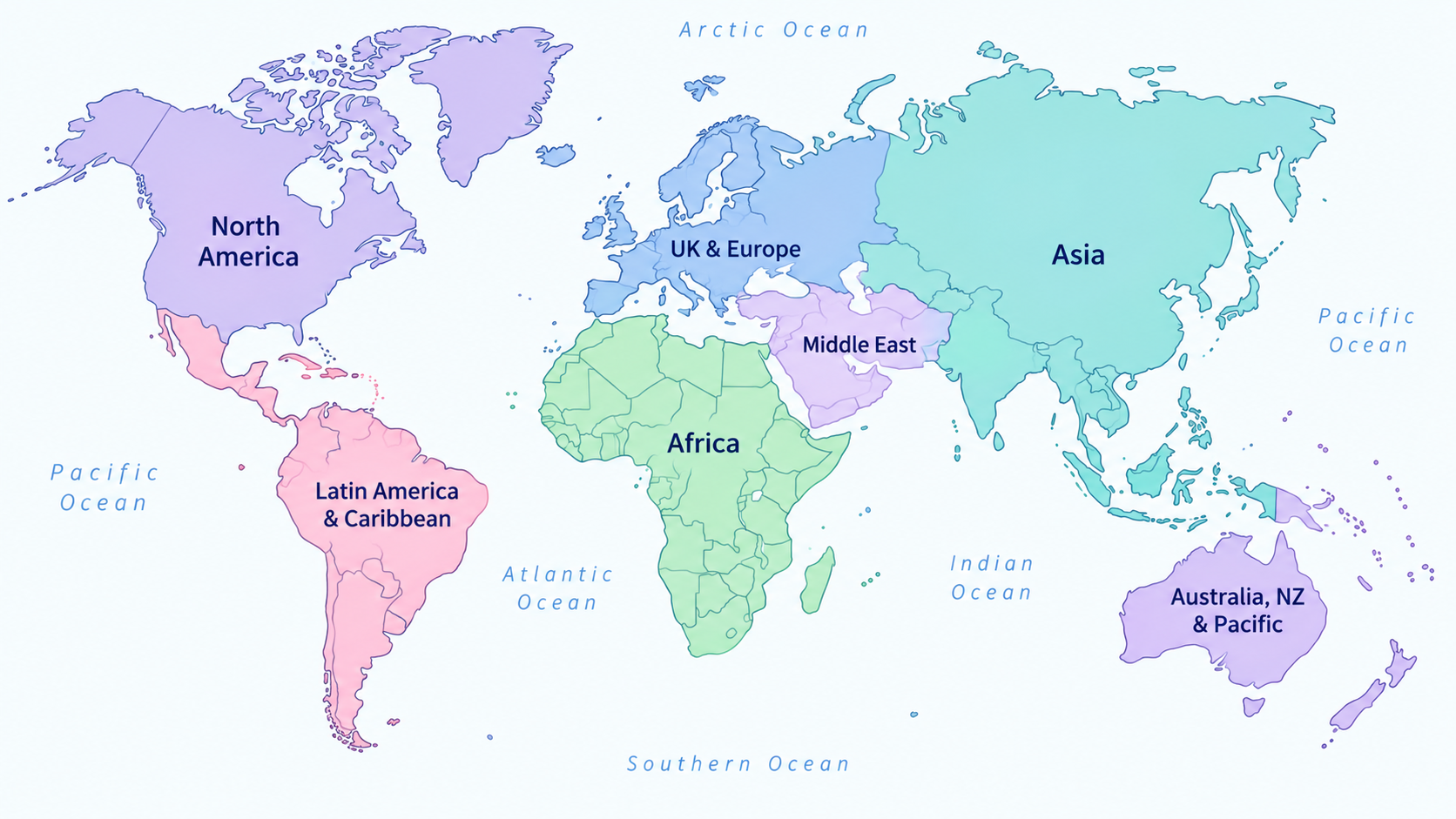
Mental-health systems differ by country, and the same professional title can mean different things in different places. Tap or click a marker directly on the illustrated map, or use the matching buttons underneath. Both controls stay synchronized with the Support Finder above.

Interactive illustrated map: the marker locations are broad regional selectors, not exact provider locations or service boundaries. Use official or established directories for country-level information.
Select a map marker or region button to see what to check when looking for support there.
Your region choice will also be selected in the Support Finder above.
Different services do different jobs. Titles and qualifications vary internationally, so check local professional regulation and scope of practice as part of choosing support.
Counselling can provide a structured space to talk through emotions, relationships, stress, grief, life changes and other concerns. Training and regulation vary by country.
Psychotherapy can involve structured therapeutic approaches for emotional, behavioural or psychological difficulties. Qualifications and protected titles differ internationally.
Psychologists may provide assessment, formulation and psychological therapies, depending on local registration requirements, training and service type.
Psychiatrists are medical doctors specialising in mental health. Their role may include assessment, diagnosis, medication and treatment planning, depending on the local system.
Group therapy is usually facilitated by a trained professional and is different from a peer-led support group. Ask who facilitates the group, what approach is used and how privacy is handled.
Coaching can help with goals, routines, organisation or practical change, but it is not the same as regulated mental-health treatment. Check training, boundaries and whether your needs require a clinical professional.
A support group may be peer-led, community-led or facilitated and often focuses on shared experience and connection. Group therapy is a clinical therapeutic service. They serve different purposes.
Online care can improve access for people who live remotely, have mobility or transport barriers, prefer home-based support, need specialist expertise, or cannot easily attend appointments in person.

Good support is not only about the right professional title. Communication, accessibility, identity, cost, culture and practical barriers can all affect whether a service is usable.
Showing all access considerations.
Ask how the service adapts communication, pacing, session structure, sensory demands, executive-function expectations and therapeutic approaches for autistic, ADHD, AuDHD and other neurodivergent people.
Check building access, accessible toilets, seating, transport, sign-language access, AAC support, captions, written communication and whether a support person can attend.
Ask about experience with sexuality, gender diversity, minority stress, discrimination, relationships, family acceptance and identity-affirming care.
Culture, whānau/family, community, migration, faith, language and collective wellbeing may be important parts of support. Ask how the service works with these contexts.
Ask whether professional interpreters are available, whether translated information can be provided and how confidentiality works when an interpreter is involved.
Look for public services, community organisations, charities, sliding-scale fees, funded programmes, student/training clinics, employer or education supports, and telehealth options where appropriate.
Look for age-appropriate services and ask about consent, privacy, family involvement, school coordination and what changes when a young person reaches adult-service age.
Consider mobility, hearing, vision, cognition, medication, grief, caring roles, loneliness and whether mental-health support can coordinate with wider health care.
These are broad starting principles rather than lists of individual therapists. Use any region card to jump back to the interactive map with that region already selected.
Check national health ministries, public hospitals, professional associations, university clinics, NGOs and telehealth options.
Check national health systems, professional bodies, hospital networks, community organisations and language-appropriate services.
Check public health pathways, GP/primary-care referral routes, national professional registers and cross-border telehealth rules.
Look across public services, professional associations, universities, community organisations and regionally available online care.
Check hospital systems, national or regional professional bodies, community providers, multilingual services and remote support options.
Check public or community care, insurance/network requirements where relevant, professional licensing registers and low-cost clinics.
Check local primary care, public and community mental-health pathways, professional registers, culturally grounded services and telehealth options.
Check public health pathways, primary care, community and culturally grounded services, professional registers and telehealth.
Verify that a remote provider can legally and ethically work with people in your location and ask how urgent-care situations are handled.
You are allowed to ask practical questions before committing to a service. The answers can help you compare options and decide whether the service feels usable and appropriate.
If you need information in writing, quieter appointments, extra processing time, direct language, captions, breaks, a support person or another reasonable adjustment, asking about this before the first appointment can help.
You do not need a perfect summary of everything that has happened. A few notes can make it easier to remember what matters, especially if appointments feel overwhelming.
Write down the main things you want help with, what is most difficult, and what has changed recently.
Note routines, environments, sensory factors, relationships, medications, strategies or situations that affect how you feel.
List communication preferences, access needs, cultural considerations, support people or practical adjustments.
Parents, whānau, partners, friends, carers and support people may also need help understanding services, preparing questions and respecting the person’s choices and privacy.
You might help search directories, compare costs, organise transport, prepare questions, write notes or ask what accommodations are available — with the person’s agreement.
Where possible, centre the person’s preferences, communication style, privacy and right to be involved in decisions about their own care.
These simple on-page planning tools can help you organise a search for support. They are not medical records and you do not have to share them with anyone unless you choose to.
Collect the main points you may want to take into a first appointment.
Use the same questions for several services so it is easier to compare them.
Identify what would make appointments safer, clearer or less exhausting.
A quick list for deciding whether an online service is practical for you.
For explanations of mental-health subjects, conditions, experiences and terminology, continue to Mental Health Education or browse Mental Health Topics A–Z.
Routine counselling, therapy or service searches are not designed for immediate emergencies. If urgent safety support is needed, use the Crisis Support pathway instead.
Crisis services, emergency numbers, helplines and text/chat options differ by country. The Aspie Answers Crisis Support Main Index brings those urgent pathways together separately from this non-emergency service finder.
Not always. Access rules differ between services and countries. Some services accept self-referrals, while others require a referral, assessment or specific eligibility criteria.
You can start by describing what you are experiencing and what kind of help you want. A primary-care professional, intake service or appropriately qualified mental-health professional may be able to explain which options fit the local system.
In many settings, people can seek another provider, although cost, funding, waiting lists, referral systems and service availability may affect what options are practical.
Check the official professional registration or licensing body for the country, state, province or territory where the professional practises. Rules can differ even when the job title sounds the same.
Sometimes, but cross-border practice can be restricted by professional licensing, insurance, privacy rules and local law. Confirm that the professional is permitted to provide care to someone in your location.