
Mental Health Across Life & Audiences
Mental health can be experienced differently across our lives, identities, communities, relationships and circumstances. Use this doorway to find information and support with your own experiences — or those of someone you support — in mind.
Different lives. Different experiences. Different support needs.
Need crisis or immediate support?
If you or someone else may be in immediate danger, or urgent mental-health support is needed, use the Crisis Support pathway rather than relying on this general audience and life-stage page.
General information, not personalised advice
Aspie Answers provides educational information, lived-experience-informed resources and signposting. This page does not diagnose mental-health conditions or replace personalised medical, psychological, cultural, spiritual or other professional support.
Inside this page you will find
Start with what feels closest to your question today
You do not need to choose one label or fit neatly into one category. People can belong to several communities, roles and life stages at the same time.
I’m looking for myself
Start with your life stage, identity, community, neurodivergence, disability or current circumstances.
I’m supporting someone else
Explore pathways for parents, whānau, partners, carers, friends, supporters and professionals.
Neurodivergence or disability matters here
Explore mental health alongside communication, sensory needs, executive functioning, accessibility and support needs.
Culture, identity or community matters here
Explore culturally relevant, identity-aware and community-based perspectives without assuming one experience fits everyone.
I’m looking for an age or life stage
Start with children and young people, teens and young adults, adults or older adults.
I’m not sure yet
Use the broader Mental Health & Wellbeing doorway, Mental Health Education or Topics A–Z to explore from another angle.
Mental health across life stages
Mental-health needs, responsibilities and support can change over time. These pathways help visitors start with the stage of life that feels most relevant without assuming everyone at the same age has the same experience.
Children & young people
Emotions, development, family support, friendships, school, anxiety, self-esteem and recognising when more support may help.
Teens & young adults
Identity, relationships, study, change, independence, anxiety, stress, mood and finding support.
Adults
Relationships, work, responsibilities, health, identity, parenting, caring and everyday wellbeing.
Older adults
Later-life change, connection, grief and loss, health or disability, loneliness, caring roles and wellbeing.
Families, whānau, carers & supporters
Supporting someone else can involve learning, advocacy, communication and care — and the supporter’s own mental health matters too.
Parents & families
Understanding concerns, recognising changes, supporting emotions and finding appropriate help.
Whānau & family networks
Family and community connections, shared understanding and support around mental health.
Carers & support people
Practical support, communication, boundaries and looking after your own wellbeing.
Partners & relationships
Connection, communication, emotional safety, support and relationship wellbeing.
Support workers
Person-centred support, communication, inclusion, boundaries and recognising when specialist help may be needed.
Friends & informal support
Listening, staying connected, offering practical help and knowing when to encourage additional support.
Neurodivergence, disability & mental health
Mental health can be shaped by communication, sensory needs, executive functioning, accessibility, stigma, support environments and the effort required to navigate systems that are not always designed inclusively.
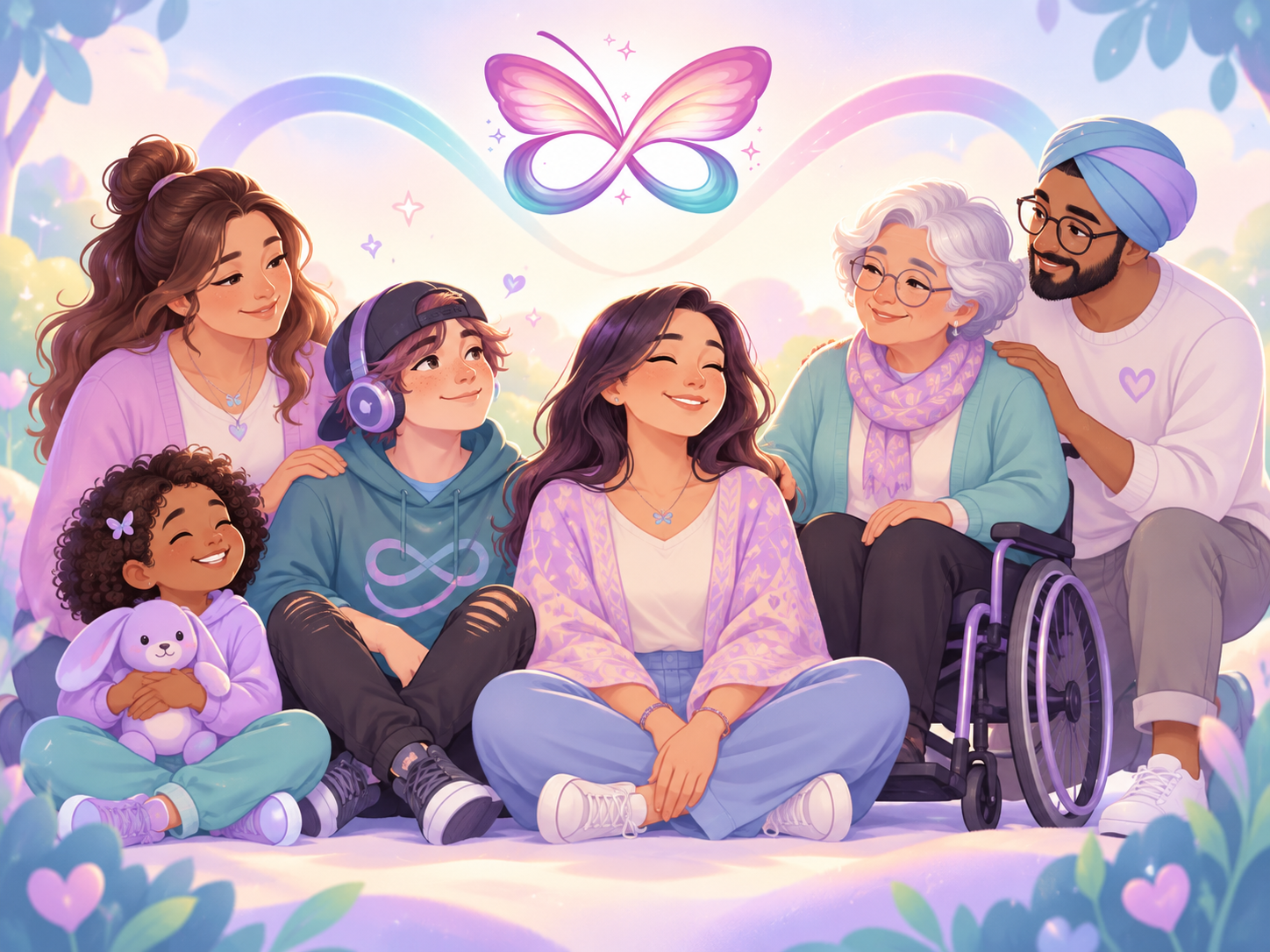
Different minds and bodies need different kinds of access
Mental-health information and support can be easier to use when communication, sensory needs, executive functioning, disability, access needs and individual preferences are considered. This page connects those experiences to the right Aspie Answers pathways rather than duplicating entire specialist hubs.
Autism & mental health
Autistic wellbeing, overwhelm, masking, burnout, communication, sensory needs and support.
ADHD & mental health
Executive functioning, emotional regulation, stress, shame, overwhelm and support needs.
AuDHD & mental health
Overlapping autistic and ADHD experiences, competing needs and personalised support approaches.
Broader neurodivergence
Different cognitive, learning, communication and sensory experiences can affect wellbeing in different ways.
Learning & hidden disabilities
Mental-health information should account for understanding, communication, stigma, fatigue and invisible support needs.
Communication & accessibility
AAC, sensory, physical, cognitive and communication access can shape whether support is truly usable.
Culture, faith & community
Culture, language, faith, migration, community connection and experiences of belonging can all influence how mental health is understood, discussed and supported. No community is one single experience.
Māori mental health & wellbeing
Whānau, identity, connection, culturally relevant support and the wider contexts that may shape wellbeing.
Pasifika mental health & wellbeing
Community, family, cultural identity, connection and support approached with care and specificity.
Culturally & linguistically diverse communities
Language, communication, cultural expectations, stigma and access to understandable support.
Faith, spirituality & mental health
Faith and spirituality may be sources of meaning, identity, community or support and can intersect with mental-health care.
Migrants & refugees
Settlement, separation, language, trauma, belonging, identity and navigating unfamiliar systems where relevant.
Community, connection & belonging
Social connection, inclusion, community safety and feeling understood can matter greatly for wellbeing.
Identity & belonging
Identity can affect belonging, safety, relationships, self-worth, discrimination, community connection and experiences of support.
Rainbow / LGBTQIA+ mental health
Identity, belonging, affirmation, minority stress, community safety, relationships and access to respectful support.
Men’s mental health
Emotional expression, loneliness, grief, fatherhood, work stress, identity, connection and self-worth.
Women’s mental health
Life transitions, hormones, relationships, parenting, trauma, work stress, identity and wellbeing.
Identity, self-worth & belonging
Acceptance, identity, connection, exclusion, discrimination and feeling safe to be yourself.
Learning, work & everyday life
Some pathways belong mainly to Education, Work & Employment, Support or wider audience discovery. Mental Health connects to them without taking over their broader content.
Students & learners
Study stress, exams, motivation, loneliness, routines, sleep, social connection and support.
Teachers & educators
Workload, emotional labour, burnout, boundaries, student support and educator wellbeing.
Work & employment
Workplace stress, accommodations, communication, burnout, employment changes and mental health.
Professionals & support roles
Healthcare, allied health, social work, disability support and other roles where wellbeing and professional boundaries matter.
Financial & housing stress
Practical circumstances can affect safety, stress and wellbeing and may require support beyond Mental Health alone.
Life changes & transitions
Moving, study, work changes, relationships, parenting, ageing, illness and other transitions may affect wellbeing.
You do not have to fit into one box
Someone might be autistic, Rainbow, Māori, a parent, living with a hidden disability and experiencing anxiety. These experiences can overlap and affect one another. Use several pathways together rather than treating identity, disability, culture, community and mental health as separate compartments.
Explore this family in more detail
Use the supporting finder pages when you want to browse alphabetically or understand words used across life stages, families, identity, culture, disability, access, community and support.
Your experience does not have to match a category perfectly
Age, identity, culture, disability, neurodivergence, family roles and community can all influence mental health, but none of them determines a person’s experience on its own. Use the pathways that feel relevant and leave the rest.
Explore the pathway that fits best today
You can browse by topic, look up a definition, return to the wider Mental Health doorway, find a practical resource or move toward support.