For yourself
Understand different services, prepare for appointments and work out which type of support may fit your needs.


Healthcare · therapy · assessments · allied health · practical support
A practical starting point for understanding healthcare, therapy, allied-health services, assessments, referrals and care pathways for neurodivergent people, disabled people, families, whānau and anyone looking for clearer support options.
Who this page is for
Understand different services, prepare for appointments and work out which type of support may fit your needs.
Learn about care pathways, professionals and ways to support someone without taking over their choices.
Help with appointments, access needs, practical preparation and communication across services.
Use this doorway to understand connected services and then move into the specialist professional-facing healthcare guidance when needed.
What you will find here
This page is an index and orientation doorway. It explains the main types of support, helps you understand how services can connect, and routes you toward deeper information without expecting you to know the right professional before you start.
Getting oriented
Healthcare and allied-health support can involve several services at once. A useful first step is to identify the main difficulty, what is getting in the way of daily life, and what kind of support or outcome you are hoping for.
Primary care, nursing, specialists and other medical services may support assessment, diagnosis, treatment and ongoing care.
Therapy may support movement, communication, daily function, recovery, emotional wellbeing or participation.
An assessment or referral can help clarify needs, identify supports and connect you with the right service.
Therapy types explained
Therapy is not one single service. The right approach depends on the person's needs, goals, preferences, health situation and local availability.
Can support daily activities, routines, sensory needs, participation, equipment, environments and practical independence.
Can support speech, language, communication, alternative communication and, where relevant, swallowing needs.
Can support movement, strength, mobility, balance, rehabilitation, pain management and physical function.
Can support coping, adjustment, relationships, emotional wellbeing and navigating difficult experiences.
Important: therapy approaches and professional titles can vary between countries and services. The goal is to understand the broad function of the support rather than assume every service works the same way.
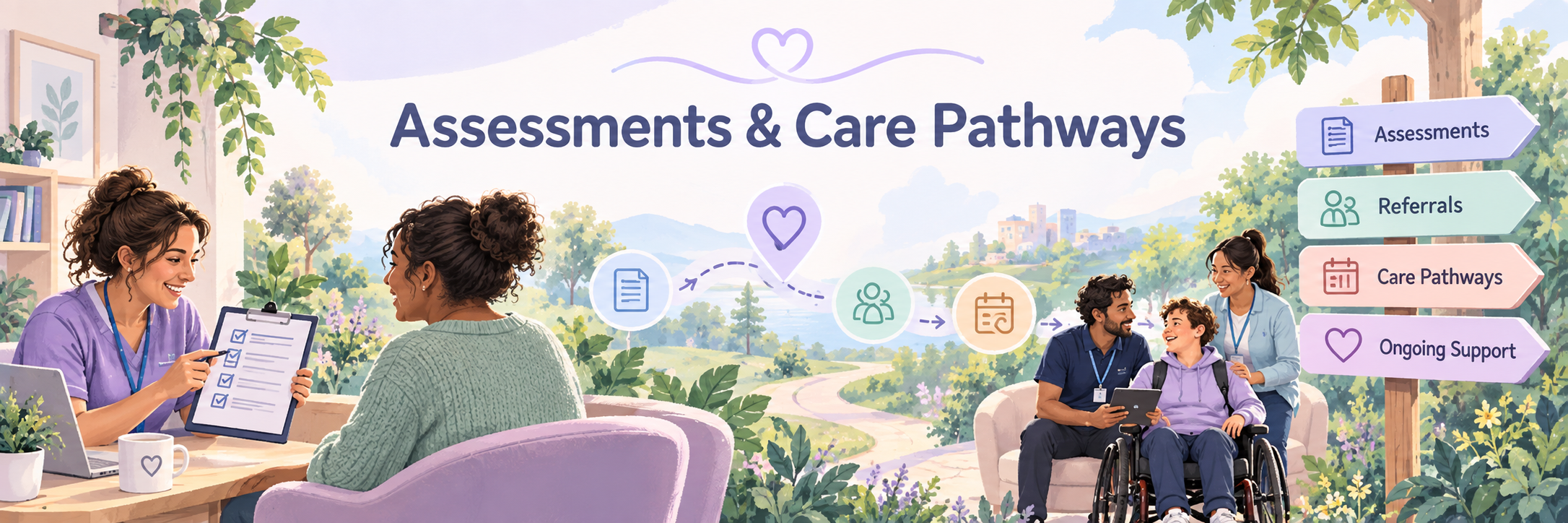
Assessments & care pathways
A care pathway may begin with a concern, referral or assessment and then move into treatment, therapy, rehabilitation, monitoring or ongoing support.
What is happening, how long has it been happening, and how is it affecting everyday life?
Assessment may involve history, screening, observations, physical examination, tests or a functional assessment.
A GP, specialist, service or other professional may refer someone to a more appropriate or specialised support.
Next steps can include treatment, therapy, rehabilitation, equipment, monitoring, education or follow-up.
Some people work with more than one professional. Different services may focus on different parts of health, function, communication, mobility, daily living or participation.
Allied-health services
Can support nutrition, feeding, dietary needs and health-related food planning.
Pharmacists can help explain medicines, possible interactions, medication lists, safe use and practical medication questions.
Can assess hearing and related needs and support hearing technology or communication access where relevant.
Can support foot health, mobility-related concerns and some aspects of walking, footwear and physical function.
Eye-care and vision professionals can assess vision, eye health and visual access needs depending on the service.
Local health systems may include other allied-health, rehabilitation, community-health or disability-support professions.

Accessible & inclusive care
Neurodivergence, disability, pain, fatigue, mobility, communication differences and sensory needs can all affect how someone experiences healthcare and therapy.
Clear language, written summaries, visual information or alternative communication can make appointments easier to understand.
Lighting, noise, smells, touch, waiting-room conditions and unfamiliar environments can affect participation.
Some people need more time for questions, decisions, consent, transitions between tasks or understanding next steps.
A trusted support person or advocate may help with communication, memory, confidence and follow-through where the person wants this.
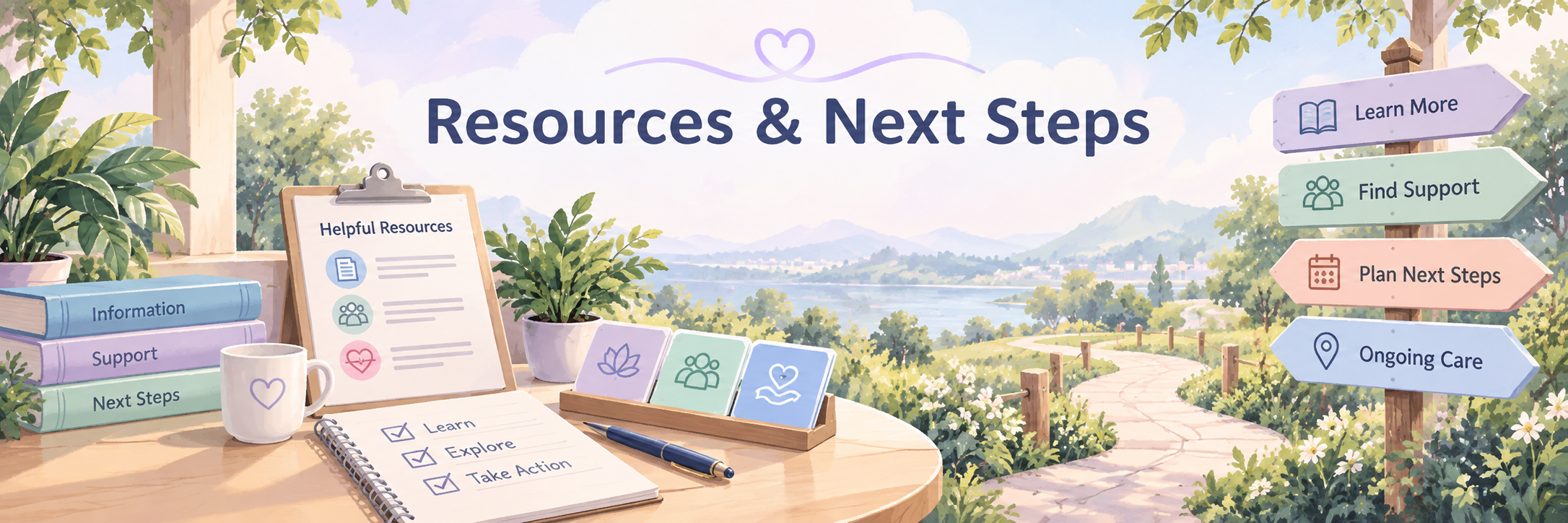
Resources & next steps
Return to the wider physical-health, body, healthcare, diagnosis, treatment and accessibility hub.
Open Health & Body →Explore organisations, services, support pathways and wider directories.
Open Support & Directories →Browse practical tools, planners, worksheets and printable support resources.
Browse Resources & Downloads →Use practical support for routines, preparation, forms, organisation and everyday living.
Open Everyday Help →Start with the area that is causing the biggest barrier right now. If you are unsure which service fits, a primary-care professional, existing healthcare provider, disability service or local support organisation may be able to help identify the next step.
Aspie Answers provides general educational and practical information. This page does not replace individual medical advice, diagnosis, therapy recommendations, treatment planning or emergency care. Professional titles, referral systems, eligibility and available services vary by country and provider.
Questions
Allied health is a broad term for health professions that support areas such as function, communication, movement, nutrition, rehabilitation, sensory needs and participation. The exact professions included can vary between health systems.
That depends on the service, country, funding pathway and provider. Some services accept self-referrals, while others require referral from a doctor, specialist or another service.
Yes. Some people receive multidisciplinary support because different professionals focus on different needs or goals.
Where possible, tell the service what helps before the appointment. Written information, quieter waiting options, extra processing time, a support person or clearer step-by-step explanations may be useful.
Health and allied-health services can feel complicated when several professionals, assessments or referrals are involved. This page is designed to help you understand the landscape, identify possible next steps and move into deeper support when you are ready.