Learn
Understand mental-health concepts through the Mental Health Education branch.

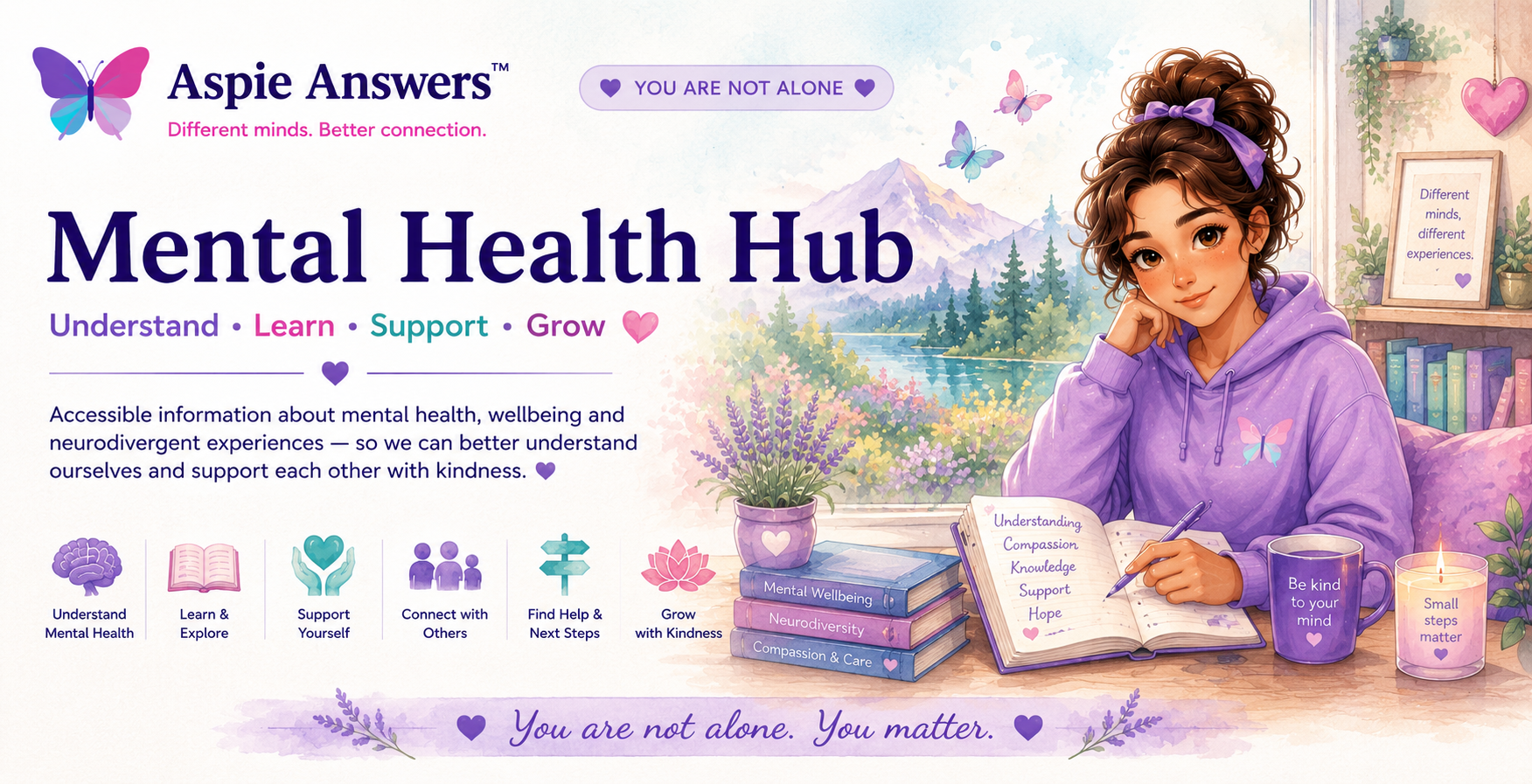
Mental Health • Learning • Support • Wellbeing • Discovery
A welcoming navigation doorway for understanding mental health, exploring different experiences, finding practical resources and choosing the Aspie Answers pathway that best fits what you need today.
Mental health is part of everyday life, and people's experiences can look very different.
You do not need to understand every term, identify with every experience or explore everything on this page at once.
Aspie Answers provides educational information, lived-experience-informed resources and practical guidance to help people learn, reflect, prepare questions and find useful support pathways.
This website does not diagnose mental-health conditions or replace personalised medical, psychological, psychiatric, counselling or other professional care.
Understand mental-health concepts through the Mental Health Education branch.
Browse topics, conditions, audiences, neurodivergence and reference pathways.
Move toward coping tools, resources, directories and practical mental-health support.
Use the Crisis Support pathway when more immediate help may be needed.
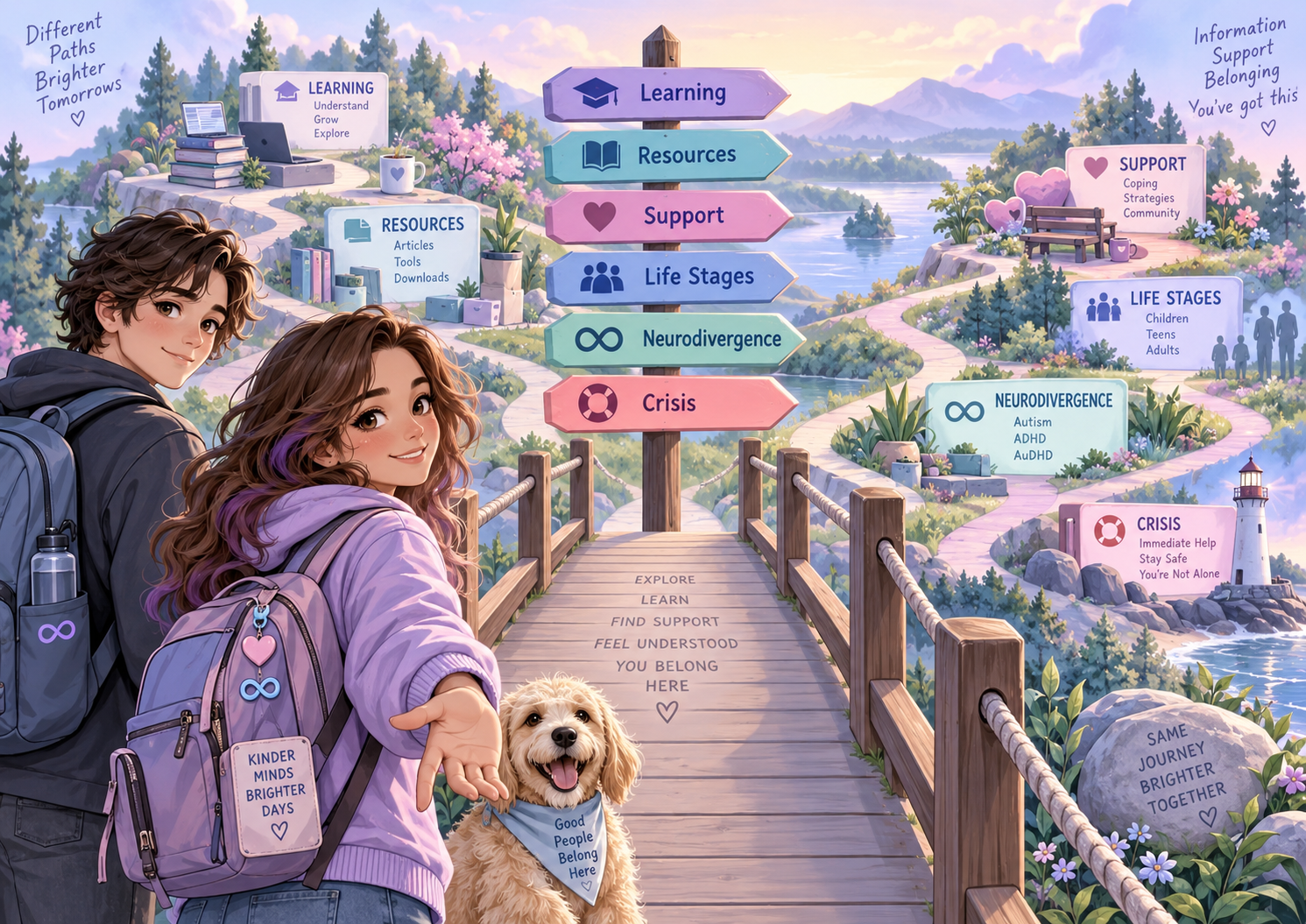
Search for a mental-health topic, feeling, condition, strategy, resource, audience or support pathway.
You do not have to know the exact page name. Start with the route that sounds closest to what you are looking for.
Structured learning, foundations, concepts, wellbeing and accessible explanations.
Coping ideas, emotional regulation, self-care, wellbeing support and practical next steps.
Explore learning, reference pathways, guides, downloads, toolkits, mini libraries and resource collections.
Browse mental-health topics alphabetically.
Find clearer explanations of mental-health, psychology and wellbeing terminology.
Find urgent-support information and appropriate crisis pathways.
The main doorway into structured mental-health learning.
Explore mental-health subjects by topic and theme.
Understand patterns, overlap, assessment and diagnosis more clearly.
Explore masking, burnout, sensory needs and neurodivergent wellbeing.
Explore emotional awareness, regulation and coping skills.
Understand information, services and help-seeking more clearly.
The central discovery library for learning, reference pages, resources, mini libraries and future collections.
Quick access to selected mental-health tools, guides and useful resources.
Check-ins, reflection tools, coping worksheets and wellbeing supports.
Find organisations, services and wider support pathways.
Explore mental-health contacts and services across countries and regions.
Mental-health experiences can be shaped by age, identity, relationships, responsibilities, culture, community and environment.
Information, wellbeing, life experiences and support pathways for women.
Mental-health learning, wellbeing, coping and supportive strategies for men.
Emotions, relationships, coping and wellbeing during the teenage years.
Age-appropriate emotional understanding, wellbeing and support pathways.
Wellbeing, stress, burnout and practical support for parents and carers.
Mental wellbeing, identity, belonging, relationships and community.
These pathways are starting points rather than boxes. People may belong to several communities, identities, cultures, roles or life stages at once.
Neurodivergent mental wellbeing can be influenced by sensory environments, executive-function demands, communication, masking, accessibility, relationships and burnout.
Explore neurodivergence, wellbeing, masking, burnout and support needs.
ADHD, executive functioning, strengths, challenges and everyday experiences.
Autism, lived experience, sensory differences and communication.
Autism, ADHD, masking, recognition, diagnosis and wellbeing.
Neurodivergent-friendly guidance, strategies and support resources.
Accessible information, learning support and practical resources for different learning needs.
Information and support relating to needs that may not always be visible.
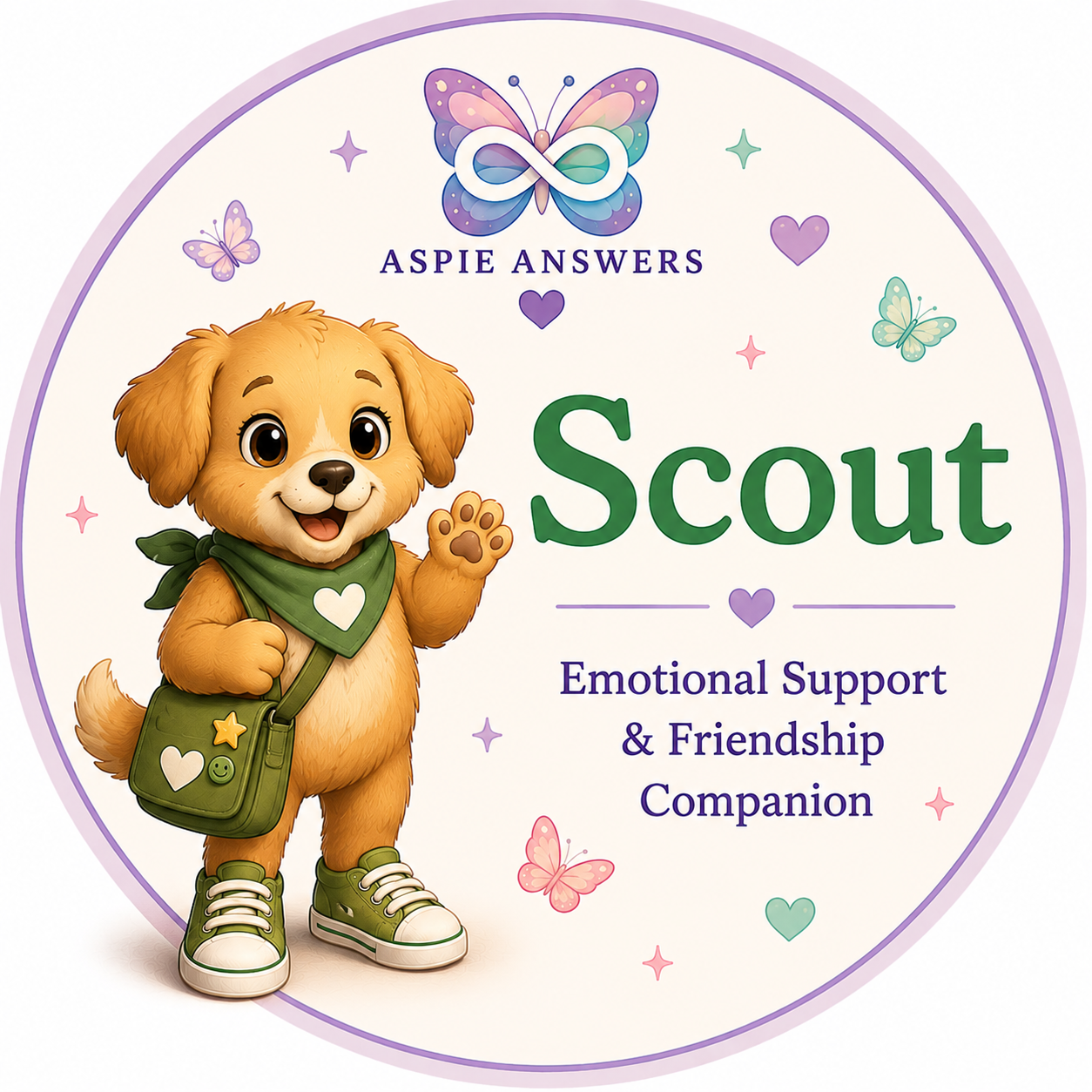
Scout supports recognising feelings, emotional regulation and coping skills.
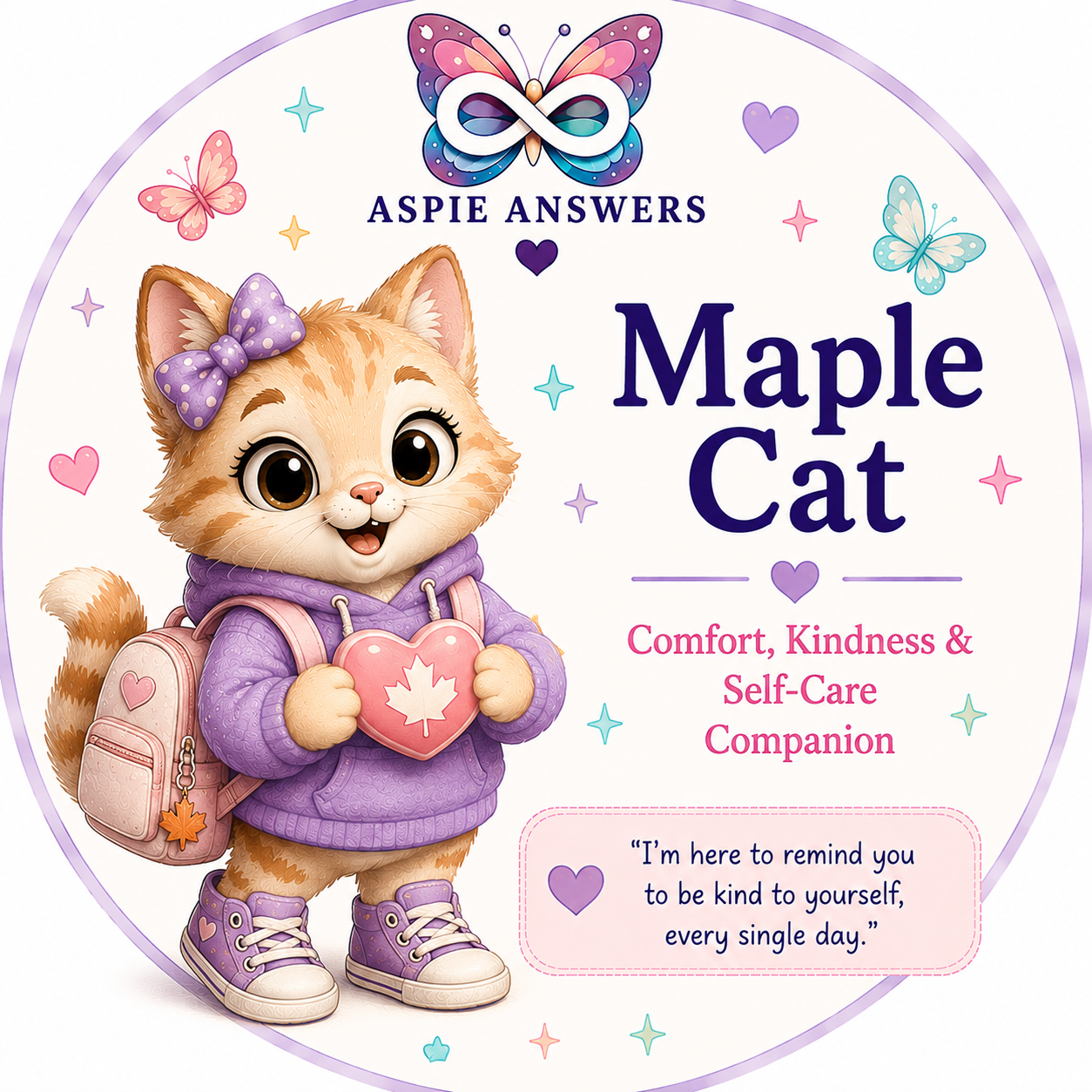
Maple brings a gentle focus to emotional wellbeing, comfort and connection.
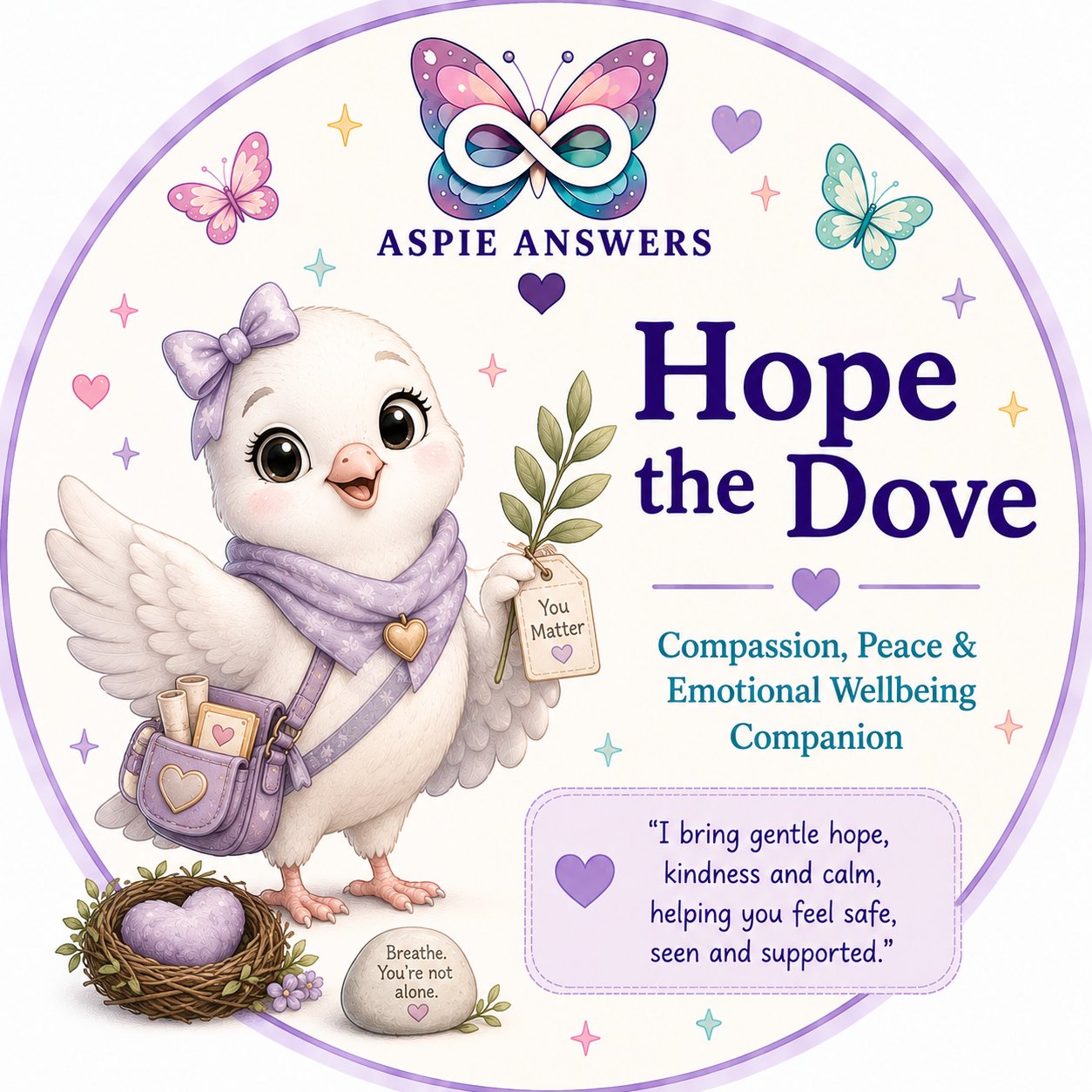
Hope offers encouragement without pretending difficult things are easy.
Practical coping, self-care and everyday mental-health support.
Find services, organisations and other support pathways.
Practical check-ins, worksheets and coping resources.
Build emotional awareness, coping and practical wellbeing skills.
Find support contacts across different countries and regions.
Find urgent-support information and crisis pathways.
If you or someone else may be in immediate danger, at risk of serious harm or experiencing an emergency, contact the appropriate emergency service for your location.
If it is not an immediate emergency but urgent mental-health support is needed, use the dedicated Crisis Support Hub.
Go to Crisis Support → Global Mental Health ContactsLearning about mental health does not mean you have to solve everything today.
Understanding an experience, finding words for something difficult, discovering a useful resource or finding the right support pathway can all be meaningful steps.
Different minds. Better connection.