

Tamariki & Rangatahi Mental Health & Wellbeing Support — NZ
Supportive pathways for Māori children and young people, their whānau, teachers and trusted supporters — at their own pace, in ways that respect culture, identity and choice.
Wellbeing is more than a single feeling
For tamariki and rangatahi, wellbeing may include emotional health, physical safety, cultural identity, whānau, friendships, connection to whenua, learning environments and wairua. There is no single experience that fits every Māori child or young person.
Support might begin with a trusted adult, a GP, a school or kura wellbeing person, a youth service or a kaupapa Māori provider. Ask what choices are available, and how the young person wants to participate.

Find your support pathway
Search the guidance cards by topic, age group or type of support. This filters this page’s information, not live GeoDirectory listings.
Showing all pathways.
Kaupapa Māori wellbeing
Explore connection with whānau, whenua, tikanga, identity and emotional wellbeing, alongside each child or young person’s own preferences.
Māori wellbeing main page →Māori-led counselling & clinical care
Explore culturally responsive counselling, psychology, psychiatry and primary care; ask about referrals, costs, clinician roles and whānau involvement.
Professional support guide →Tamariki and primary-school years
Find age-appropriate ways to talk about feelings, ask for school or kura support, and involve trusted caregivers.
Health NZ: find help →Rangatahi & teenagers
Support for identity, friendships, belonging, relationships, learning and changes in mood or stress. Young people may prefer different ways of asking for help.
Youthline support →Whānau, parents & carers
Guidance for supporters on listening, reducing pressure, preparing appointments and making room for the young person’s voice and consent.
Māori whānau pathways →School, kura & educators
Explore pastoral care, trusted teachers, learning support, school counselling and ways families and schools can work together.
Health NZ: support options →Neurodivergent & autism / ADHD access
Ask for sensory adjustments, clear explanations, written options, breaks and neurodivergent-affirming approaches.
Accessibility support →Learning & hidden disabilities
Include communication aids, plain language, extra processing time and respectful accommodations for learning or less-visible support needs.
Inclusive support →Rainbow & LGBTQIA+ rangatahi
Seek affirming care that respects names, identity, confidentiality, family circumstances and safety, without assumptions.
Community pathways →Anxiety, sadness & overwhelm
Learn to notice changes in sleep, worries, avoidance or mood; ask about appropriate early professional support.
Mental health & wellbeing →Grief, trauma & difficult experiences
Support after loss, violence, discrimination, family stress or unsettling events; ask about trauma-informed, culturally safe help.
Health NZ: mental health help →Peers, groups & belonging
Explore youth groups and community spaces; check facilitators, accessibility and whether the group provides peer connection or clinical treatment.
Community support hub →Assessments, referrals & next steps
Start with a GP, Māori health provider or youth service; ask who completes an assessment, what consent is needed and what happens next.
Māori professional services →Rural, regional & online support
Ask about area coverage, phone/video appointments, transport assistance, privacy, access to interpreters and alternatives to online care.
Services & Support Hub →Youthline & emotional support
Youthline offers free 24/7 call on 0800 376 633 or text 234. For free emotional support any time, call or text 1737.
Youthline official →Urgent and crisis support
For immediate danger call 111. For urgent mental health assessment contact a local crisis team or emergency department.
NZ crisis services →No matching guidance cards. Try a different word or reset the filters.

Talking with a trusted professional
Young people can ask for clear explanations, accessible appointment formats and culturally safe care. Where possible, discuss whether a kaupapa Māori-led service, whānau participation, te reo Māori or a different communication method would be helpful.
Ask who will see the information shared, whether whānau are invited, what confidentiality and consent mean for the young person’s age and situation, what happens after assessment, and what follow-up support is offered.
Explore kaupapa Māori mental health professionals and services →

Supporting whānau, schools and community
Listen and believe
Give young people space to describe what matters to them. Avoid rushing towards a diagnosis or assuming everyone wants the same type of help.
Make a manageable plan
Choose one trusted contact and agree on practical steps, like who to talk to, transport, follow-up dates and communication preferences.
Respect identity and access needs
Ask about language, sensory access, learning needs, disability, Rainbow-affirming support and how to include people the young person trusts.
Rural, regional and online access
In small towns and rural areas, it may help to ask about remote appointments, outreach clinics, confidentiality in close-knit communities and whether travel assistance or a local kaupapa Māori provider is available.
Online care may be useful, but is not right for every young person or situation. Ask about privacy at home, data use and alternatives to video calls.
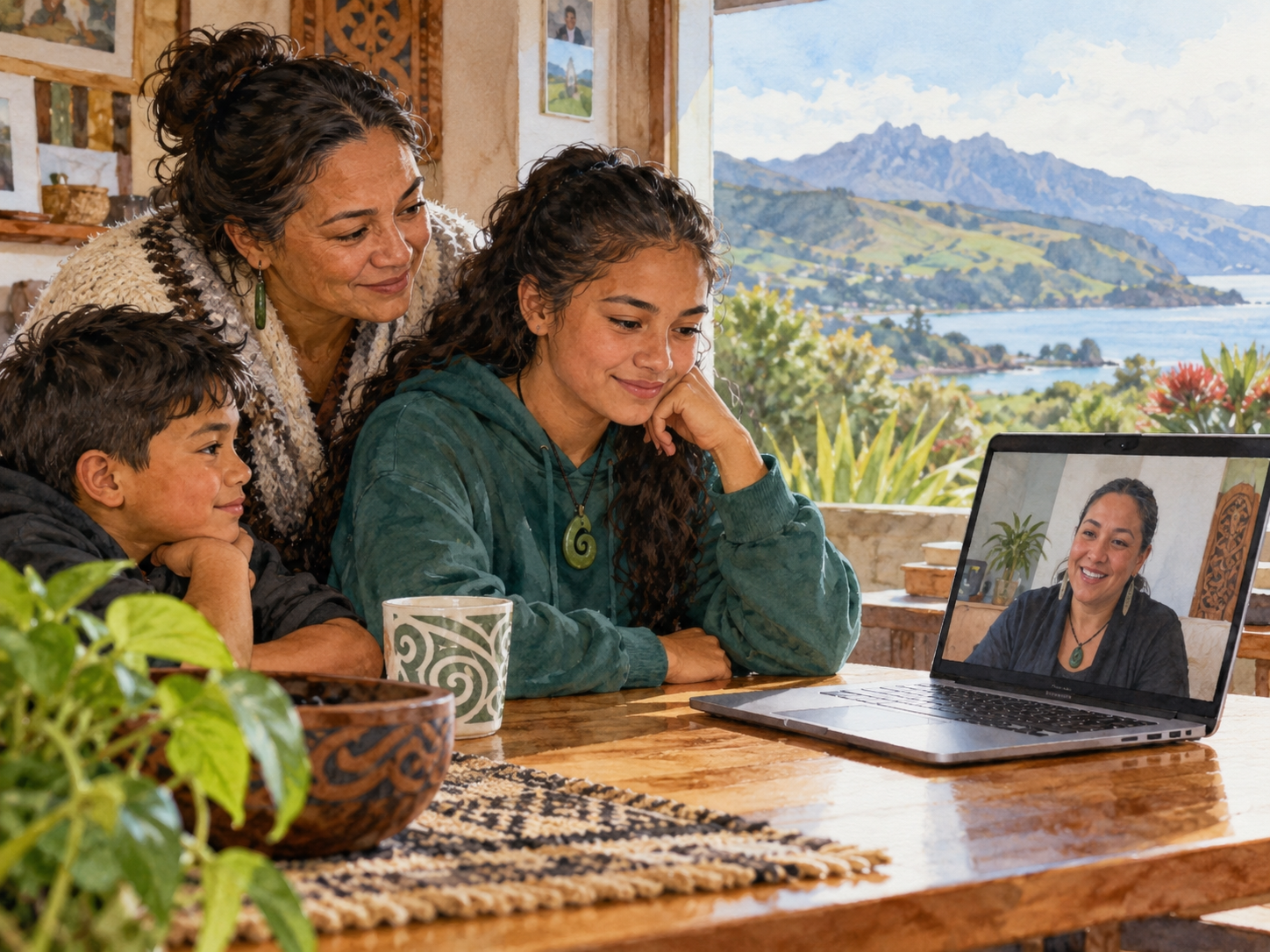
Continue to connected support
Māori wellbeing main page
Broader kaupapa Māori wellbeing and whānau pathways.
Explore support →Māori professional support
Counselling, assessment, primary and specialist services.
Explore support →NZ cultural communities
Browse cultural, community and language support.
Explore support →Mental health & community
Peer support groups and belonging.
Explore support →Accessible and inclusive support
Disability, communication and sensory access.
Explore support →Māori crisis support — NZ
Distinct culturally relevant crisis guidance.
Explore support →NZ crisis directory
Emergency and local crisis information.
Explore support →Health NZ: where to get help
Current guidance on mental health help and referrals.
Explore support →Youthline official
Free youth phone, text and chat support.
Explore support →Common questions
Can a young person ask for help without knowing what is wrong?
Yes. A young person can start by saying how things have been feeling or what has changed. A trusted adult, GP, kura support person or youth service can help discuss options.
Can whānau be part of appointments?
You can ask about including whānau or a trusted supporter. Participation, privacy and consent should respect the young person’s wishes and relevant requirements.
What if we want culturally grounded support?
Ask whether a service is Māori-led or offers kaupapa Māori approaches and how cultural values are included in decisions and care.
What about autism, ADHD, learning needs or hidden disabilities?
Ask about adjustments that help the young person participate, such as extra time, sensory breaks, communication support, plain language or alternative appointment formats.
Is a community group the same as mental health treatment?
No. Peer and community spaces can support connection, but they do not automatically provide clinical diagnosis or treatment. Confirm each group’s purpose and professional qualifications where relevant.
Aspie Answers informational resource • Aotearoa New Zealand. Always confirm current service hours, coverage, costs and eligibility with the provider.