
Awareness & Campaigns Library · History, Learning & Change
Awareness, History & Timelines
Explore selected milestones in awareness, disability rights, autism and neurodiversity, mental health, health-awareness movements, and the Aspie Answers journey. This page is about how ideas, language, rights, campaigns and community understanding have changed over time — while the Campaign Archives page preserves the detailed record of Aspie Answers campaigns, media, merchandise and memories.
Historical context matters
Awareness history is not a straight line and it is not always comfortable. Older terminology, campaign symbols and approaches can reflect the period in which they were created. This page keeps that context visible while also showing how many communities have pushed toward rights, acceptance, accessibility, lived-experience leadership and inclusion.
A gentle note
Some historical milestones connect with mental health, suicide prevention, discrimination, disability barriers and other personal subjects. Explore at your own pace. Detailed sensitive campaign material belongs primarily in the Campaign Archives and support-focused areas rather than being repeated heavily here.
Choose how you want to explore
Explore the timeline
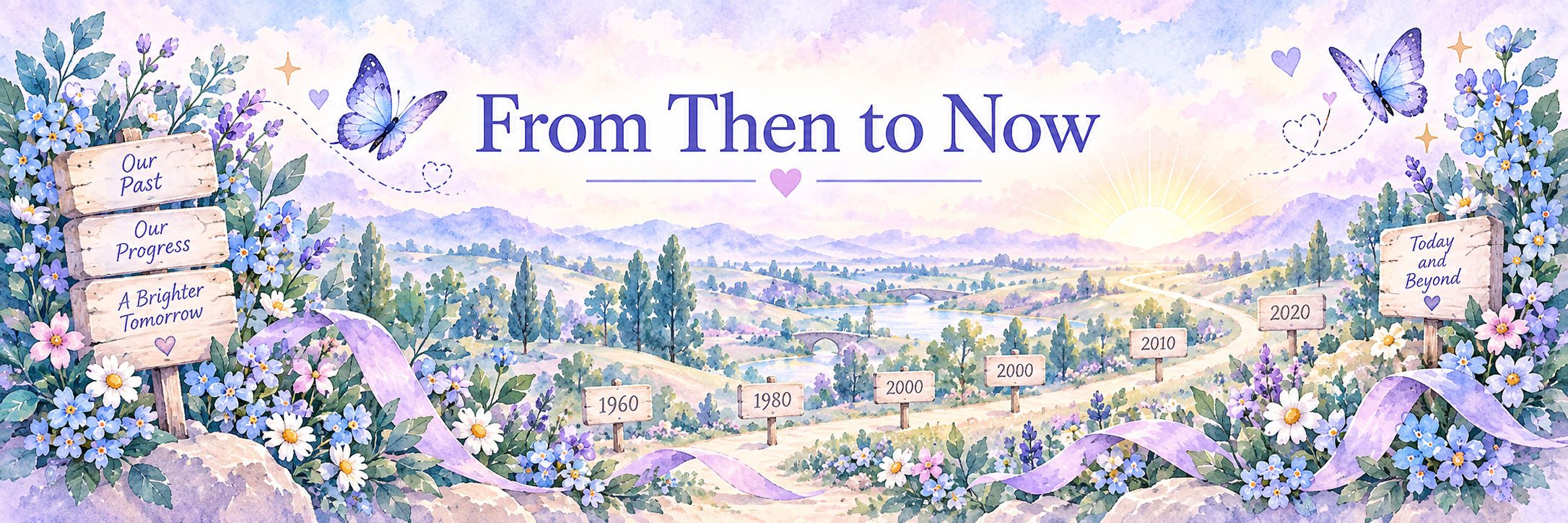
This is a curated learning timeline rather than an exhaustive history. Use the filters to focus on a topic, decade or Aspie Answers milestone. Expand any card for more context and source pathways.
Selected milestones in awareness, rights & community change
Dates shown here are selected anchors for learning and orientation. They do not imply that change happened everywhere at the same time, or that one organisation or date tells the whole story.
Timeline accuracy note
Exact years are used where a source or Aspie Answers record supports them. Broader periods such as “1990s” are used where a movement developed over time rather than beginning on one single universally agreed date.
Awareness → acceptance → inclusion
These ideas overlap rather than replacing one another. A useful way to understand the direction of change is to ask whether people are merely being noticed, genuinely respected, and actually able to participate with the support and access they need.
Awareness
People learn that a condition, disability, experience or community exists and begin recognising needs, barriers and common misconceptions.
Acceptance & understanding
The conversation moves toward listening to lived experience, respecting identity and recognising different ways of thinking, communicating and living.
Inclusion, rights & access
Understanding becomes practical: accessible environments, meaningful participation, rights, accommodations, support, belonging and shared decision-making.
From being spoken about to speaking for ourselves
Autism and neurodiversity history includes medical, educational, family, disability-rights and self-advocacy perspectives. The growth of autistic self-advocacy and the neurodiversity movement helped shift more conversations toward lived experience, difference, acceptance, autonomy and inclusion.

Neurodiversity
The neurodiversity movement grew in the 1990s, emphasising neurological variation and challenging the idea that there is one correct way for a brain to work.
Self-advocacy
Autistic people increasingly connected, organised and challenged public narratives that excluded their priorities and perspectives.
Acceptance
Many communities now use acceptance-focused language to go beyond simple recognition toward respect, belonging and support.
Language keeps changing
Preferences differ between people and communities. Good practice is to listen, avoid assumptions and update language as understanding develops.
Awareness should lead somewhere useful
Mental-health awareness can challenge stigma and open conversations, but awareness alone is not treatment or support. The most helpful campaigns pair understanding with compassionate language, practical pathways, listening and clear routes to help.

World Mental Health Day
First observed in 1992, World Mental Health Day became a recurring international point for awareness and action.
Everyday wellbeing
Modern awareness increasingly includes rest, regulation, sensory safety, connection and realistic self-care — not just diagnoses.
Listening & hope
Campaigns can create safer openings for conversation when they centre empathy rather than pressure people to disclose or perform recovery.
Support pathways
When awareness touches crisis, grief or suicide prevention, it should connect people toward appropriate support rather than leaving them with messaging alone.
Rights, access, visibility & health awareness
Disability and health-awareness history includes rights movements, accessibility, identity, public-health education, rare and chronic conditions, hidden disabilities and campaigns that help people understand experiences they may not immediately see.
Rights & accessibility
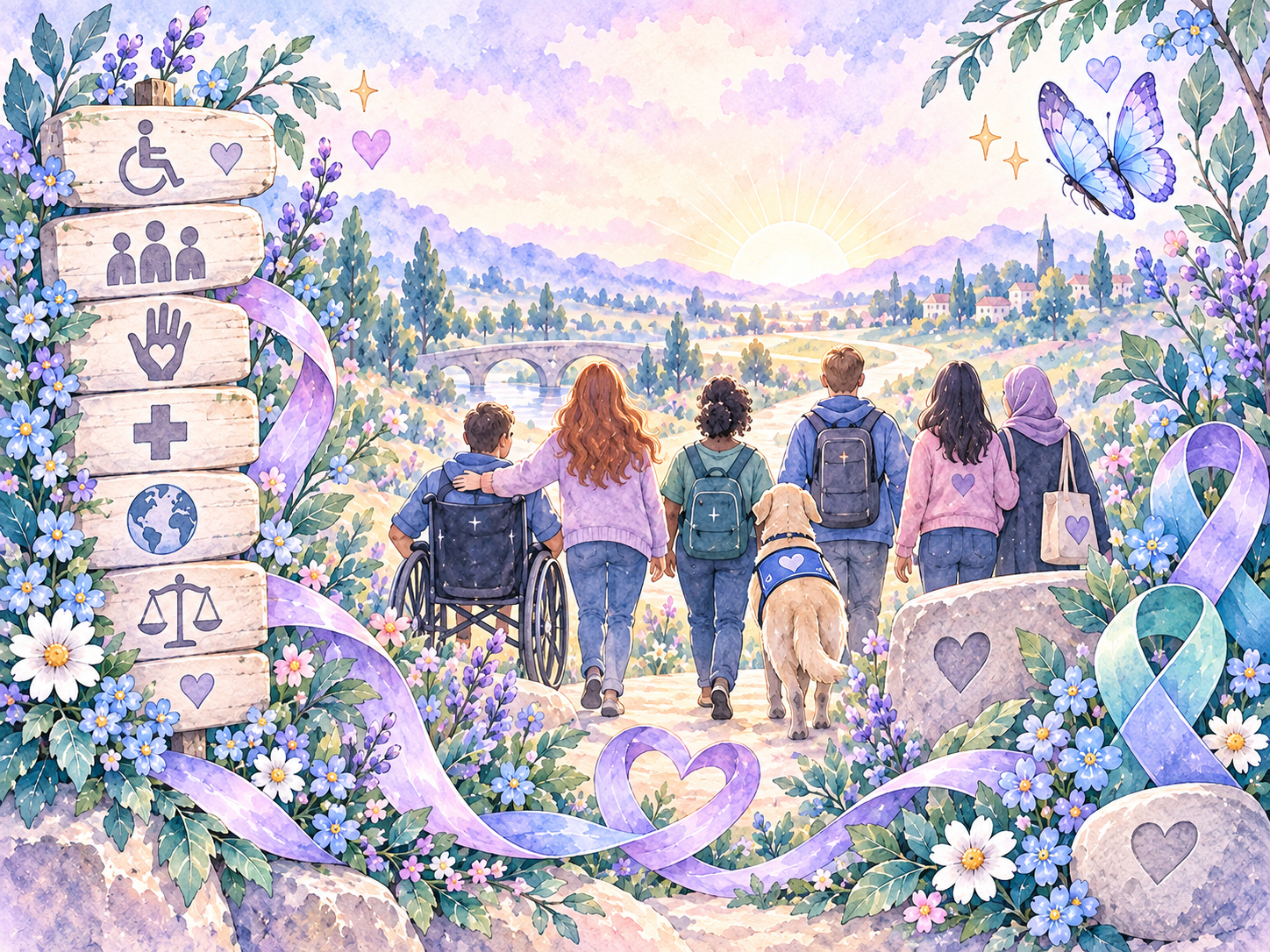
The 2006 UN Convention on the Rights of Persons with Disabilities strengthened an international rights-based framework for participation and accessibility.
Hidden disabilities
Awareness can help challenge the assumption that support needs, pain, fatigue, communication differences or disability must always be visible.
Health campaigns
Ribbons and themed days can make health subjects more visible, but the most useful campaigns also provide accurate education and practical support pathways.
Inclusion in practice
Access is more than awareness: communication options, sensory needs, mobility, cost, digital access and dignity all shape whether someone can participate.
Annual awareness markers at a glance
These are examples of recurring dates and campaign periods that connect with the wider Awareness Library. Some dates are fixed; others change each year or vary by country and organisation.
Rare Disease Day
A recurring international awareness day for rare diseases and the people and families affected by them.
Official campaign →Purple Day
International grassroots epilepsy-awareness day, founded in 2008.
Purple Day →World Autism Awareness Day
Designated by the United Nations in 2007 and observed annually from 2008.
UN background →Pink Shirt Day Aotearoa
New Zealand’s anti-bullying and inclusion campaign. The annual date changes, so future years should always be confirmed.
Pink Shirt Day NZ →Mental Health Awareness Week
An Aotearoa mental-health awareness campaign whose annual timing and theme should be checked each year.
Mental Health Foundation NZ →World Mental Health Day
Observed internationally each year to raise awareness and encourage action around mental health.
WHO background →Breast Cancer Awareness / Pink Ribbon
October is widely used for breast-cancer awareness and Pink Ribbon campaigns.
Movember / Men’s Health
November commonly carries men’s-health and men’s-mental-health campaigning, including conversation and help-seeking themes.
Tourette Syndrome awareness
Campaign timing can vary between organisations and countries, so exact dates should be confirmed before planning.
International Day of Persons with Disabilities
Proclaimed by the UN General Assembly in 1992 as an annual international observance.
UN resolution →
Selected Aspie Answers milestones
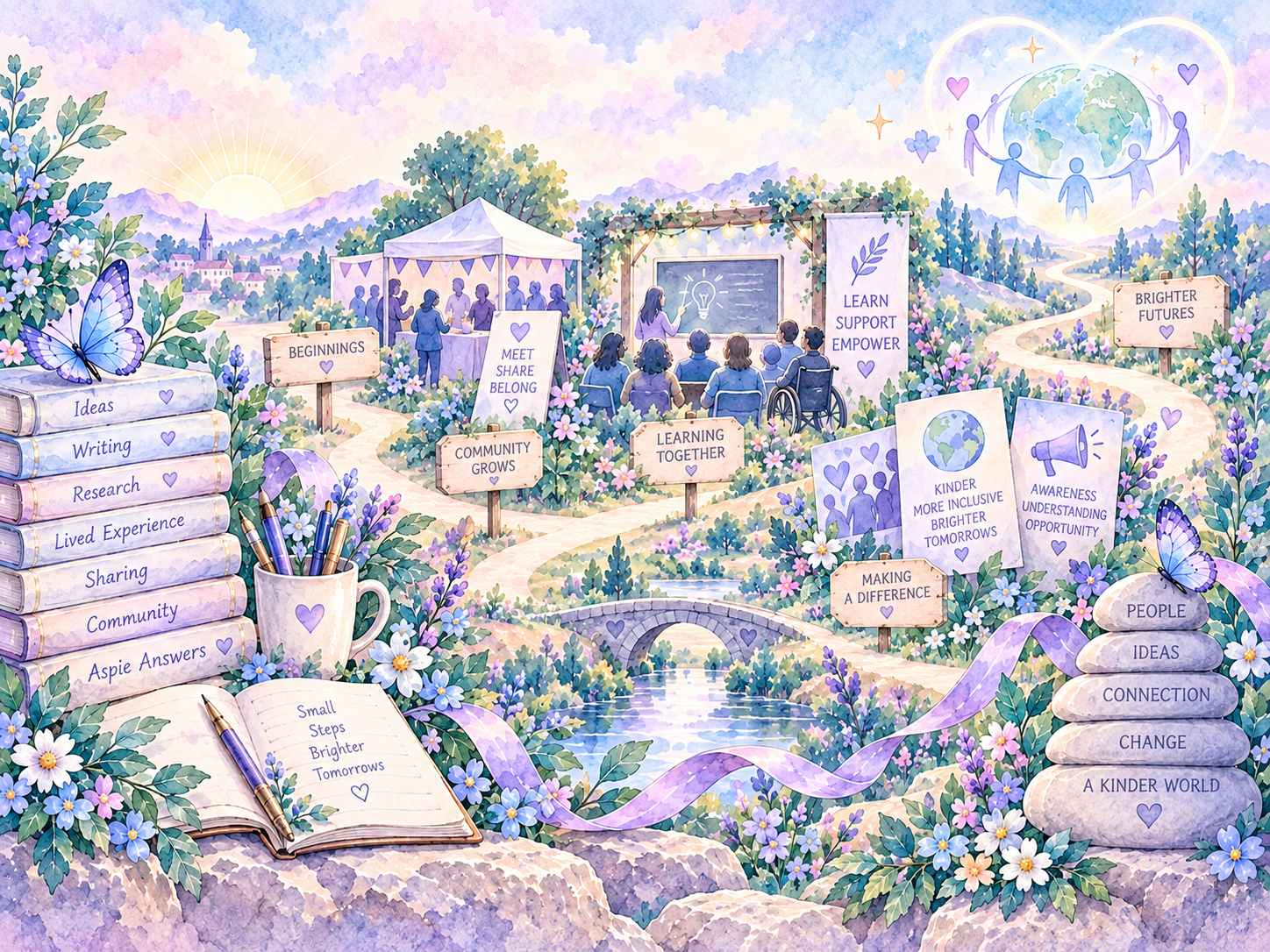
This is a short bridge between the wider history above and the detailed Campaign Archives. It highlights a few moments that show how Aspie Answers has grown from personal writing into education, community events, resources and wider awareness work.
Everyday Life of an Aspie
Publication of Kerrin’s early book sharing lived experience and everyday perspectives on Asperger’s/autistic life.
Awareness vs acceptance
Earlier writing explicitly explored the difference between autism awareness and genuine acceptance.
Hope, mental health & community
Hopewalk, Reasons to Live and collaborative messages of hope became part of the developing awareness story.
Autism acceptance in the community
Riding for Autism, Go For Red / Going Gold discussions and early awareness merchandise connected advocacy with public activity.
Education & workshops
The Levin autism workshop expanded awareness activity into structured community education and practical resources.
A wider connected ecosystem
Awareness libraries, archives, campaign resources, calendars, visual collections and broader support pathways became increasingly connected across the site.
Explore this awareness mini-section
History is one doorway. Use these related areas for dates, campaigns, visual material, downloads and topic-based browsing.
History stays useful when it helps shape what comes next
Future awareness work can build on what communities have learned: centre lived experience, check dates and language, make resources accessible, connect awareness to practical support, and leave room for people to participate in ways that work for them.
Keep exploring the story
Use the Campaign Archives for Aspie Answers’ detailed historical record, Timelines & Calendars for annual planning, and the wider Awareness & Campaigns Library for campaigns, topics, posters, downloads and educational pathways.