Autism & Learning
Explore autism, learning styles, sensory needs, communication, classroom experiences and supportive approaches.

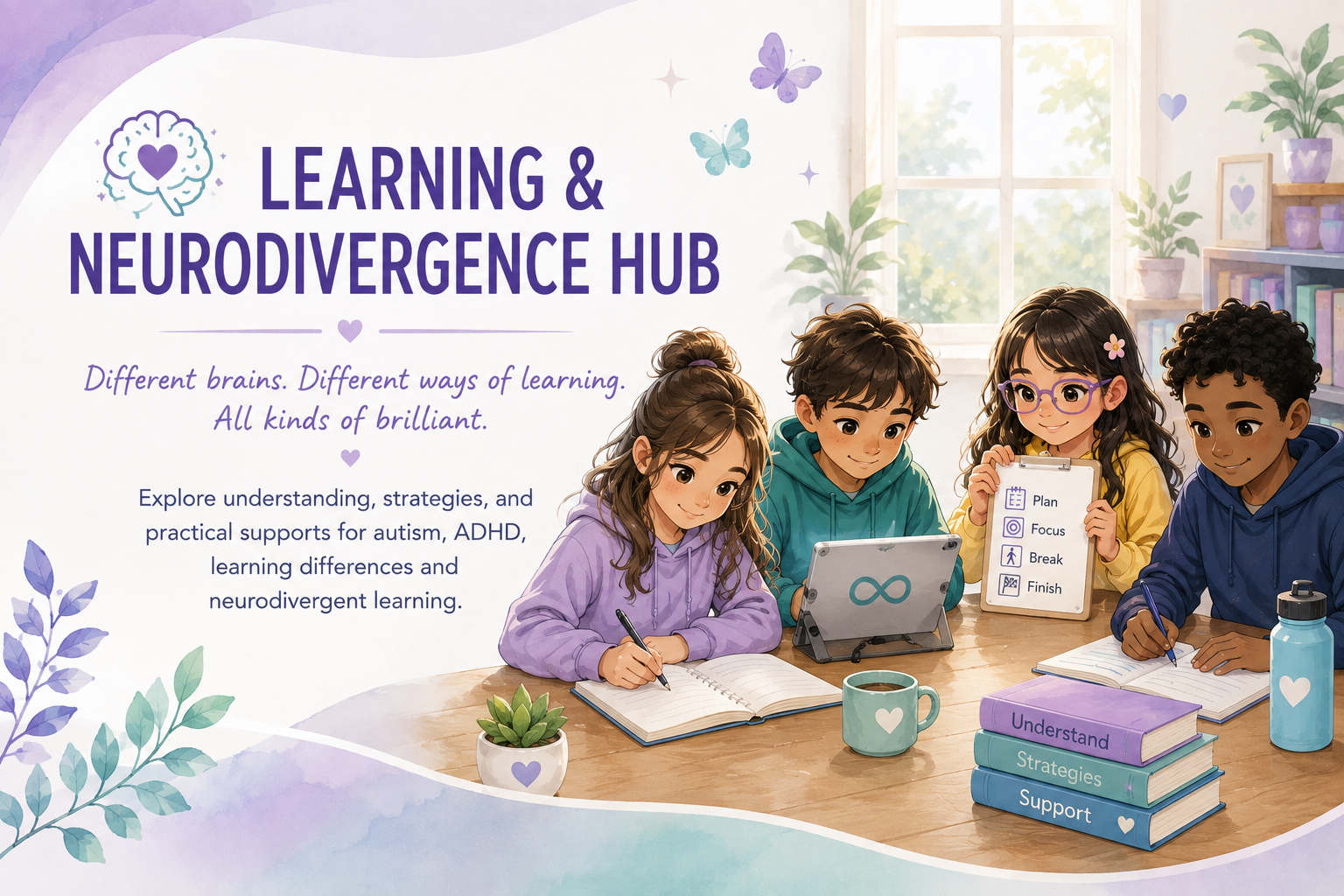
Explore how autism, ADHD, AuDHD, learning differences, executive function, sensory needs and communication can influence learning. This hub brings together practical information, strategies, supportive pathways and resources to help make learning more accessible and manageable.
The main Learning Hub is the broad doorway into learning across Aspie Answers. This page focuses specifically on how neurodivergence can shape learning experiences, strengths, barriers and support needs. If you mainly want practical help with study, planning, reading, writing, focus or accessibility, Learning Support Pathways may be the quicker route.
Search the topics and cards on this page only to quickly find learning needs, strategies and support.
Neurodivergent learning pathways, executive-function support, sensory needs, communication and masking, learning adjustments, teaching and school pathways, libraries, downloads, Topics A–Z, definitions and further support. Choose a section below or simply scroll at your own pace.
Choose the topic that feels closest to what is happening right now. You do not need to read everything or follow a fixed order. This hub is designed so you can explore at your own pace.
You can move directly into learning supports, visual strategies, school pathways, resource libraries or wider support pages whenever you need them.
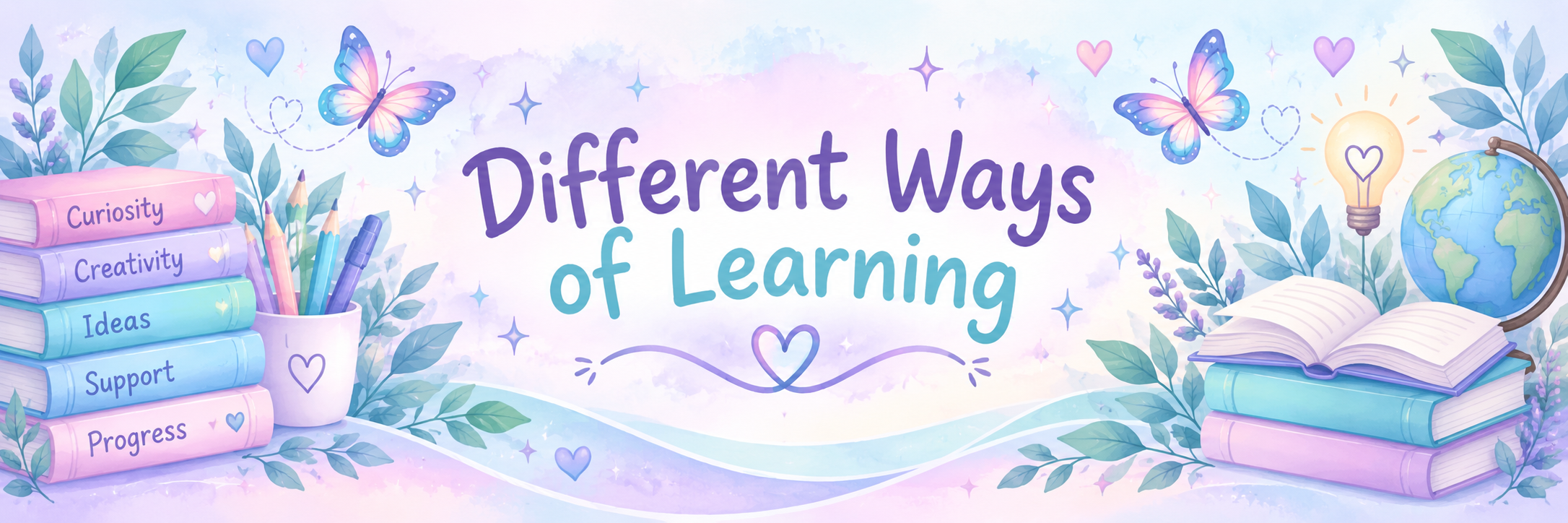
Neurodivergent learners may process information, communicate, focus, organise, remember and participate in different ways. Explore the pathways that best match the learner.
Explore autism, learning styles, sensory needs, communication, classroom experiences and supportive approaches.
Explore attention, motivation, time, memory, executive function and ADHD-friendly approaches to learning.
Explore the overlapping experience of autistic and ADHD traits and how combined needs may influence learning, energy, sensory processing and organisation.
Find clearer explanations and practical support for learning differences, processing needs and common learning disabilities.
Explore practical support around sensory needs, masking, shutdowns, burnout, regulation, energy and everyday neurodivergent experiences.
Explore strengths, preferences and supportive approaches that recognise there is no single correct way to learn.
Planning, starting, switching, remembering and completing tasks can all affect the learning experience. Practical supports can reduce the load.
Support task initiation with smaller first steps, visual prompts and clearer starting points.
Reduce reliance on working memory with checklists, notes, visual reminders and repeatable routines.
Use visual planning, calendars, simple systems and structured support to make tasks easier to manage.
Explore distraction reduction, manageable focus periods, supportive environments and flexible learning strategies.
Make changes between tasks or environments clearer with warnings, visual sequencing and transition support.
Explore visual time supports, buffer time, realistic expectations and ways to pace learning more gently.
Learning environments can involve light, noise, movement, touch, people and visual information. Adjusting sensory load can make participation easier.
Consider quieter spaces, headphones, predictable sound levels and opportunities to step away when needed.
Softer lighting, reduced visual clutter and clearer layouts can make learning environments easier to process.
Movement breaks, flexible seating and opportunities to regulate can support attention and participation.
Clear instructions, processing time, alternative ways to respond and respectful communication can reduce barriers.
A learner may appear to be coping while using considerable energy to hide needs, confusion, sensory strain or distress.
Reduce demands where possible and allow calm, regulation and recovery before expecting more learning.
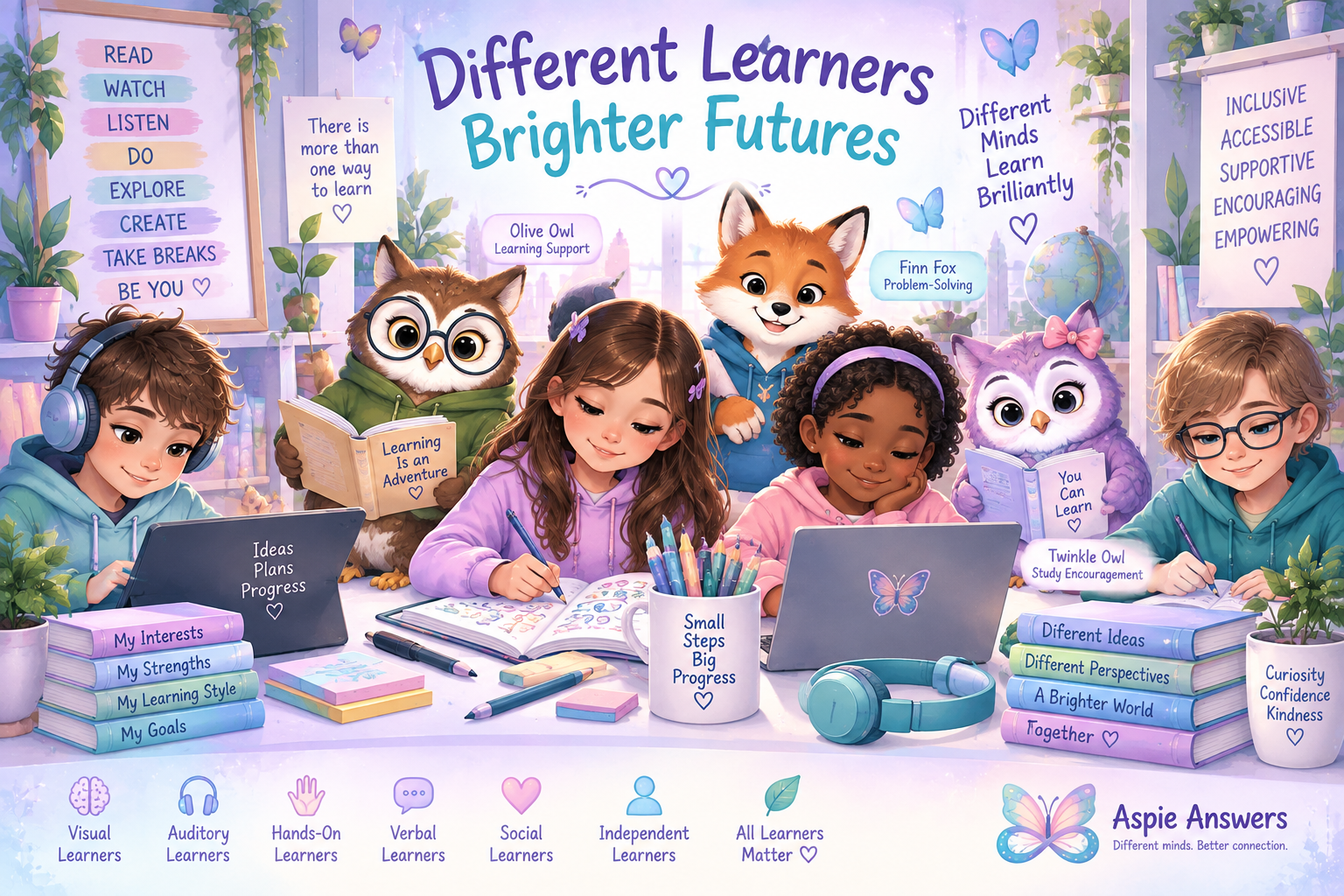
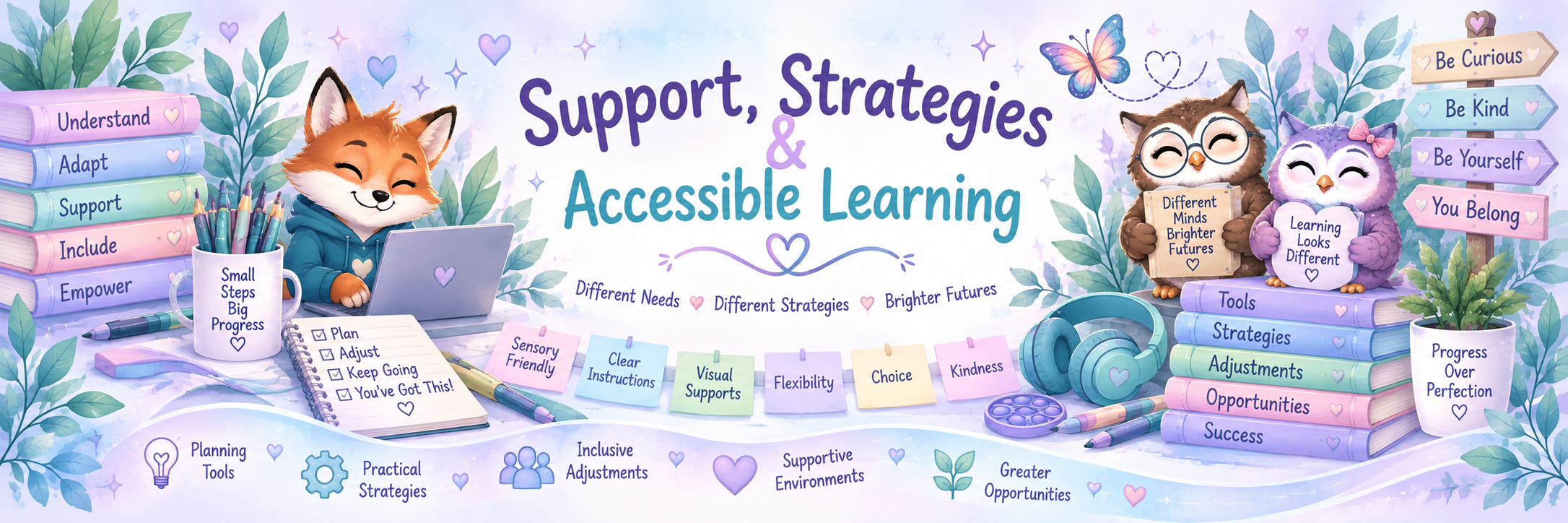
Support works best when it responds to the learner rather than expecting every learner to fit the same environment or method.

Explore the main Education Hub for learning resources, teaching pathways, tools and educational content.
Browse structured lesson packs and guided teaching materials for different topics and learners.
Explore practical classroom strategies, support tools and resources designed to make teaching more accessible.
A guided route for people who are unsure which learning support, resource or education pathway to choose.
Move into the wider Aspie Answers learning system when you want deeper information, printable resources or specialised collections.
Browse learning and neurodivergence topics alphabetically when you already know roughly what you are looking for.
Topics A–Z →Find plain-language explanations for words, concepts and terminology used across neurodivergence and learning.
Glossary & Definitions →Learning is harder when the brain and body are overloaded. Move into calmer wellbeing resources if rest, regulation or a reset would help more right now.
Explore Health & Wellbeing →If you need practical support, services or directories rather than learning content, use the wider Aspie Answers support pathways.
Support & Directories →No. The Education Hub is the broader doorway into educational resources and teaching materials. This page focuses specifically on how neurodivergence can influence learning and which supports may help.
No. The Knowledge & Learning Library provides a wider collection of information and learning material. This hub acts as a guided bridge between neurodivergence, learning experiences and practical support.
People can experience both autistic and ADHD traits. Aspie Answers is developing a dedicated AuDHD pathway so these overlapping experiences can be explored without forcing someone into only one category.
No. Different people need different approaches. Try what seems useful, adapt it where needed and leave behind what does not fit.