

Job References & Referees
A referee is someone an employer may contact to ask about your reliability, skills, experience, work habits or suitability for a role. Preparing your referees in advance can make this part of the application process more predictable for everyone.
Try referee, permission, manager, teacher, volunteer, first job, privacy, contact details, reference check or limited experience.
Showing all referee-support sections.
A Person an Employer May Contact
A referee can provide information about your work, study, volunteering, reliability, communication, skills or how you approached responsibilities.
Different From a Written Reference
A written reference or recommendation is a document. A referee is the person who may be contacted directly by phone, email or another method.
Not Every Employer Uses the Same Process
Some employers ask for referees early. Others wait until later in recruitment, and some use formal reference-check forms or services.

Manager or Supervisor
Someone who directly supervised your work and can speak about reliability, responsibilities, teamwork or performance.
Teacher, Tutor or Trainer
Useful when entering work from school, study, training or when your recent learning is relevant to the role.
Volunteer or Community Coordinator
A person who can describe your contribution, attendance, communication, practical skills or how you handled responsibility.
Professional Contact
Depending on the role, a client, project lead, mentor, contractor or other professional contact may be suitable if they know your work well.
Recent Colleague
A colleague may sometimes be appropriate where a manager is unavailable, although employer requirements can vary.
Someone Who Can Be Specific
A person who can give concrete examples is often more useful than someone with an impressive title who barely knows you.
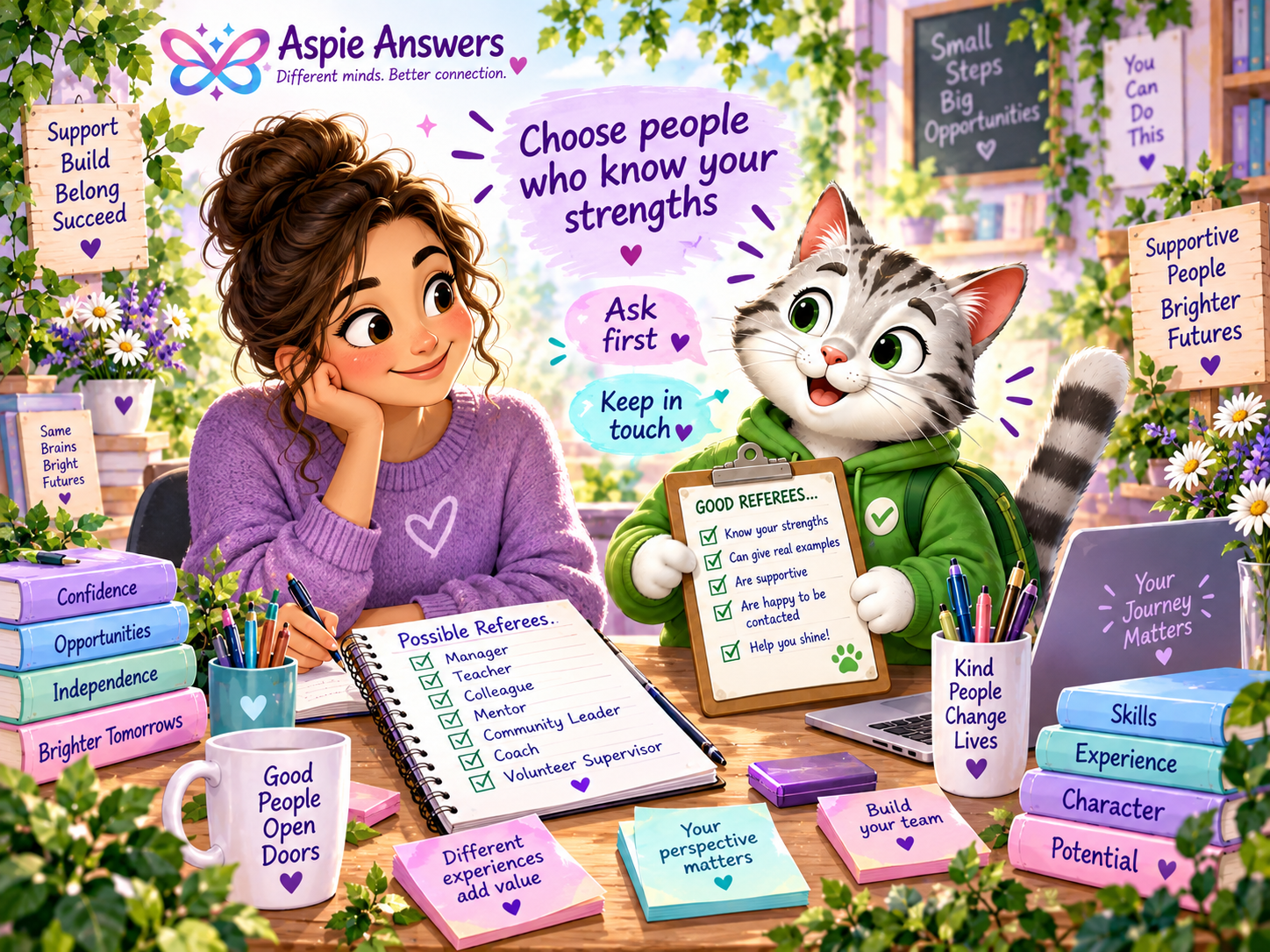
You do not need an elaborate message. Give the person enough information to decide whether they are comfortable being contacted, and make it easy for them to ask questions.
Hi [Name], I am applying for a [role/job type] position and I wondered whether you would be comfortable being a referee for me. The employer may contact you about my [work/study/volunteering] and the skills or responsibilities you saw me demonstrate. Please let me know if you are happy for me to share your contact details. Thank you.
Hi [Name], I hope you are doing well. I am currently applying for work and wanted to ask whether you would still feel comfortable being a referee for me. I am looking at [type of role], and your knowledge of my [work/study/project] would be relevant. I can send you the job description and an updated CV if that helps.

Tell Them the Role
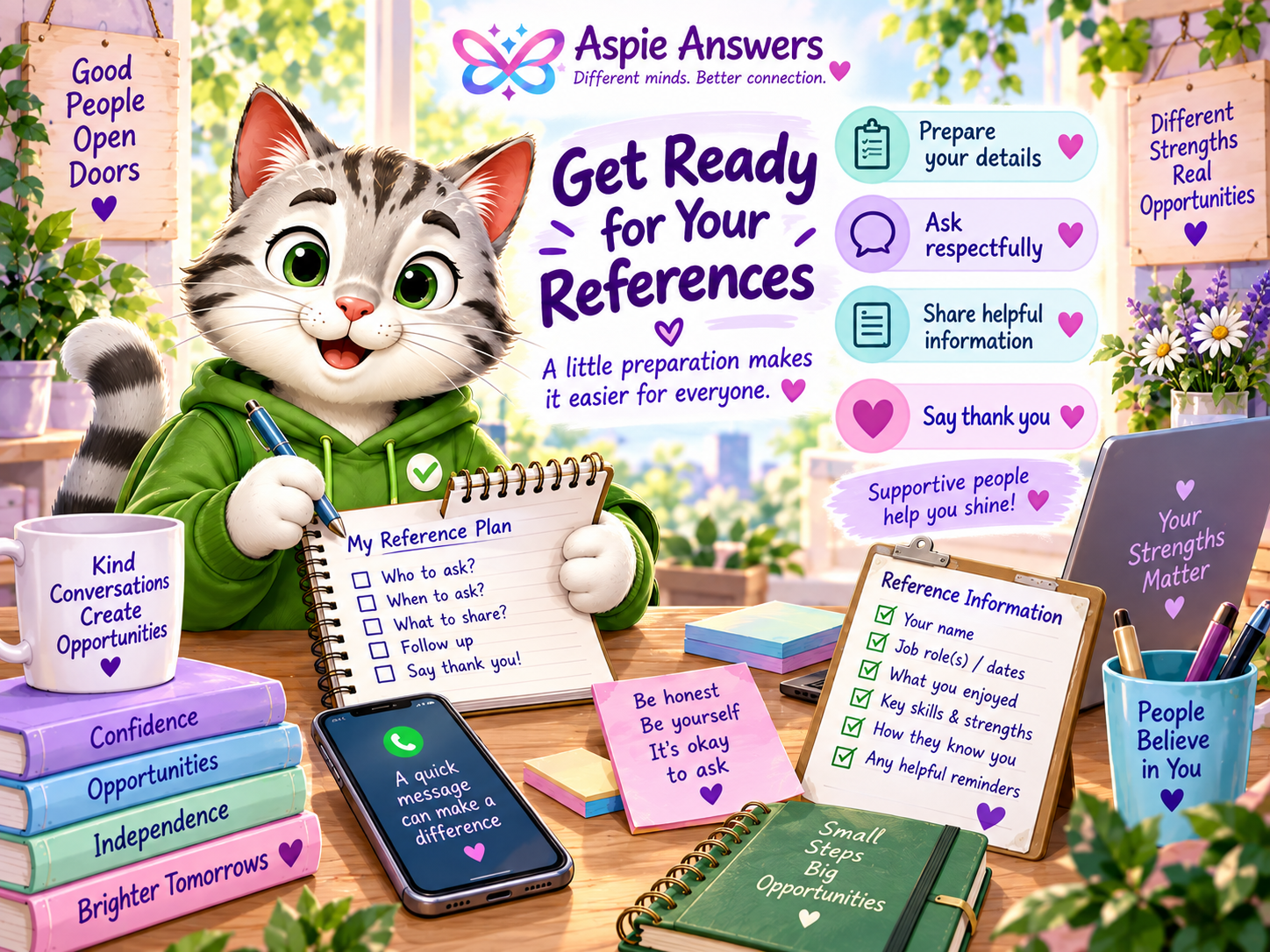
Share the job title, organisation and a short explanation of what you are applying for.
Send Useful Information
Your current CV and the job advertisement or position description can help refresh their memory.
Highlight Relevant Experience
Remind them of the projects, responsibilities or strengths most connected to the role.
Warn Them When a Check Is Likely
If you know an employer is about to call or email, give your referee a quick heads-up.
Information You Can Give Them
- Your current CV.
- The job advertisement or role description.
- The organisation's name.
- Why the role interests you.
- Relevant examples they may remember.
- The likely timing of contact.
Information to Double-Check
- Their preferred name and job title.
- Current organisation, if relevant.
- Preferred email address.
- Preferred phone number.
- Whether they are comfortable with both phone and email contact.
- Whether their details have changed since your last application.
Study or Training
A teacher, tutor, course facilitator or trainer may be able to discuss attendance, learning, practical skills, teamwork or reliability.
Volunteering
A volunteer coordinator or community organiser may be able to describe your contribution and how you handled responsibilities.
Projects or Community Work
A project lead, organiser, club coordinator or other person who saw you complete real tasks may be relevant.
Self-Employment or Freelance Work
A client, contractor, supplier or collaborator may sometimes provide useful professional feedback about your work.
Older Work Experience
An older referee may still be useful if they know your work well, although the employer may prefer something more recent where available.
Ask the Employer
If you cannot provide the type of referee requested, you can ask whether another professional, study or community reference would be accepted.

Get Permission Before Sharing Details
Confirm that your referee is happy for you to give their phone number, email address and other requested details to the employer.
Keep Details Current
Check spelling, job titles, phone numbers and email addresses before each application. Old contact information can delay a reference check.
Do Not Publish More Than Needed
You usually do not need to place private referee contact information on public profiles, portfolios or documents that are widely shared.
Consider “Available on Request” Where Appropriate
If an application does not ask for referee details yet, you can sometimes wait until the employer requests them instead of circulating the details early.
| Possible Timing | What It May Mean for You |
|---|---|
| During the application stage | The employer may collect referee details early even if they do not contact them immediately. |
| After an interview | This is a useful time to alert your referee that contact may happen soon. |
| Before a final decision | A reference check may form part of the employer's final comparison or verification process. |
| As part of a conditional offer | Some offers depend on satisfactory checks or other requirements being completed. |
0 of 8 referee-preparation areas considered.

Checklist Cat
Checklist Cat helps you ask permission, check contact details, send the right information and keep referee preparation organised.

Finn Fox
Finn helps when the standard option does not fit — for example when you have limited work history, an unavailable manager or need to identify another suitable professional contact.