

Aotearoa New Zealand · Kaumātua wellbeing
Māori Kaumātua & Older People Mental Health & Wellbeing — NZ
Explore culturally grounded wellbeing, professional care, whānau connections and practical support for older Māori across Aotearoa.

Wellbeing across generations
Kaupapa Māori support can recognise the connected importance of taha hinengaro, taha tinana, taha whānau and taha wairua. Whānau connection and cultural identity may help wellbeing, alongside clinical care when needed.
Changes in mood, memory, thinking or daily activities can have many causes. An assessment may consider physical health, pain, medicines, sensory changes, grief and social circumstances.
Explore kaupapa Māori mental health professionals →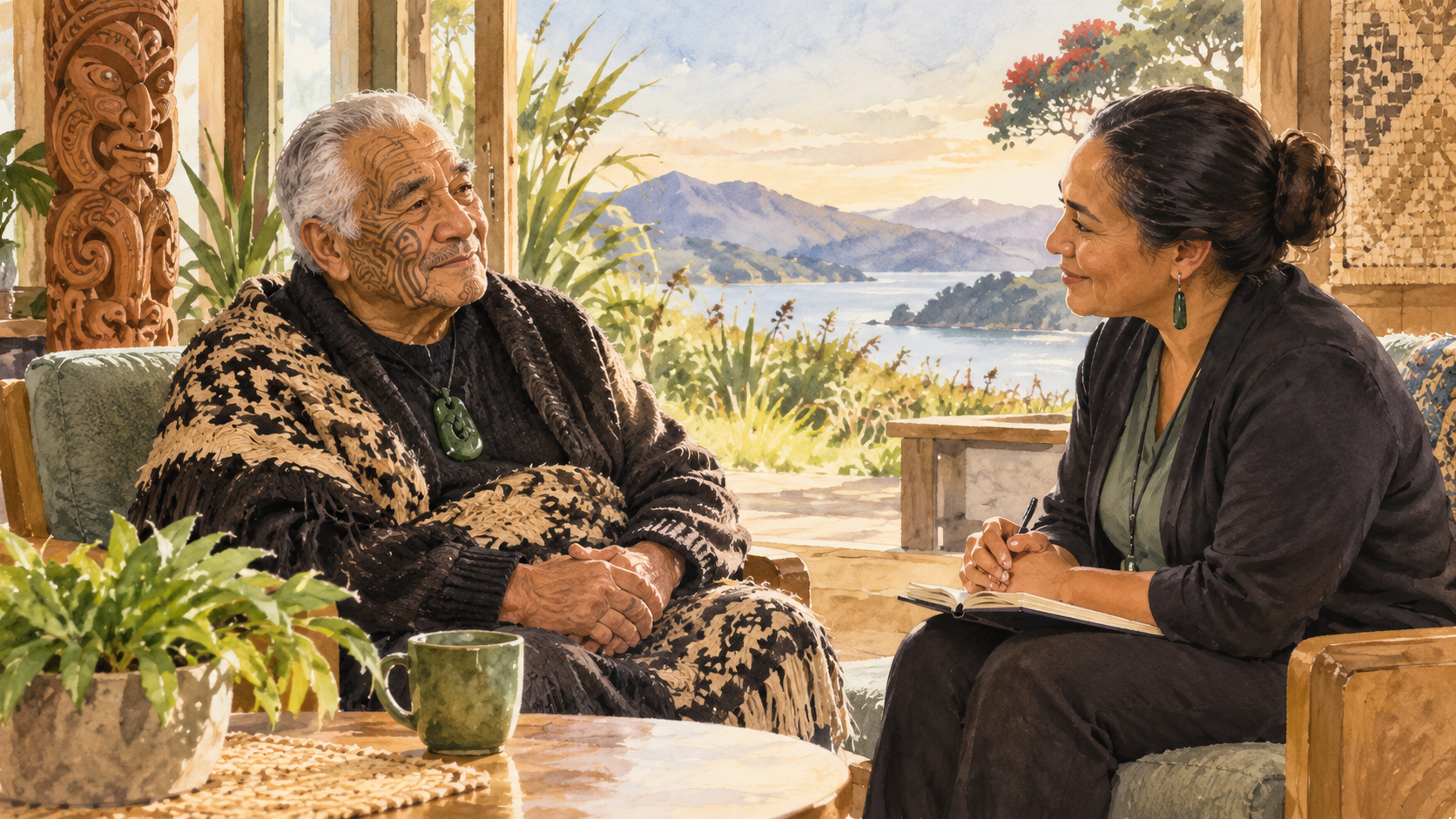
Find the right support pathway
Search by concern, type or who is looking for help. This filters the guidance cards below; it does not search live providers or track your location.
Showing all pathways.
Kaupapa Māori wellbeing
Identity, whakapapa, whānau, whenua, wairua, connection and culturally appropriate choices.
Grief, isolation and mood
Understand bereavement, loneliness, anxiety, depression and when to ask for a wellbeing assessment.
Counselling and psychological support
Explore kaupapa Māori and culturally responsive counselling, psychology and clinical options.
GPs and specialist older-person care
Discuss changes in sleep, mood, medicines, memory, physical health or pain with a GP and ask about referrals.
Memory changes and dementia
Explore respectful assessment, support planning, decision-making and family involvement when memory changes cause concern.
Whānau and carers
Support for relatives, carers and support people, including respite discussions and shared planning with consent.
Kaumātua groups and belonging
Explore marae, community connection, peer wellbeing, group accessibility and transport.
Hidden and physical disabilities
Ask for wheelchair access, hearing/vision supports, accessible communication and flexibility with appointments.
Autism, ADHD and learning differences
Older neurodivergent people deserve communication choices, sensory adjustments and accessible care.
Rainbow and LGBTQIA+ kaumātua
Inclusive care, privacy, respectful language and appropriate community connections.
Consent, dignity and advocacy
Ask about health decisions, privacy, informed consent, support people, financial concerns and elder mistreatment.
Housing, transport and daily living
Explore transport to care, social support, practical assistance and local service access.
Rural, regional and online support
Explore the North/South Islands, rural outreach and telephone or video care where appropriate.
Māori adults and wider whānau
Connect with adult wellbeing, whānau services and intergenerational care pathways.
Tamariki and rangatahi
Supporting mokopuna and intergenerational whānau wellbeing.
Urgent Māori mental health support
For severe distress or immediate safety concerns, use crisis-specific guidance rather than routine appointments.
No matching pathways. Clear your search or change your filters.

Supporting kaumātua as whānau
Offer practical help without assuming what older people want. Ask before attending appointments, sharing health information, changing living arrangements or planning services.
Carers may also need their own emotional support, rest, respite information and help navigating costs, transport and disability access.
Whānau, parents and carers support →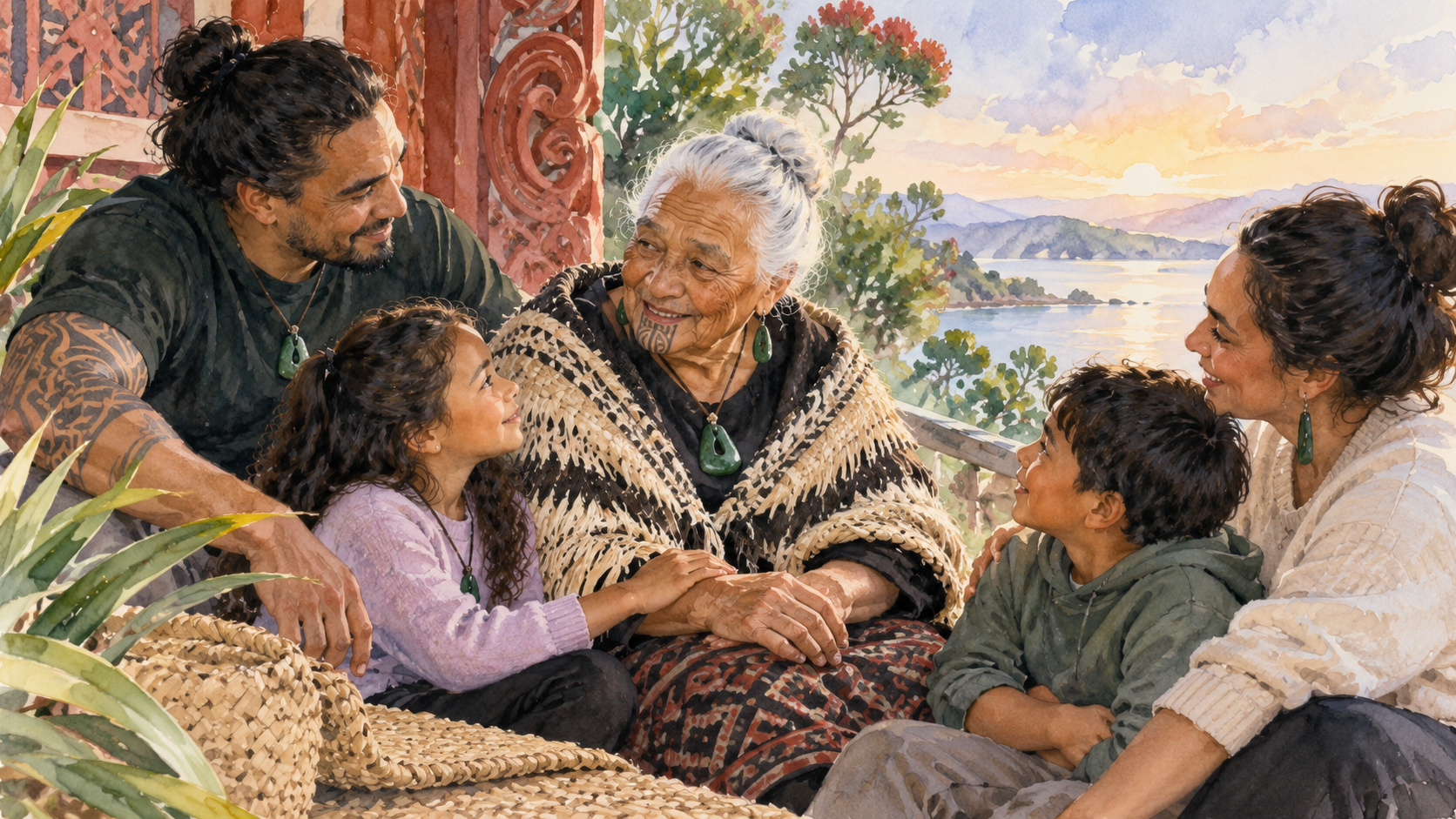
Rural and online support
When travel is difficult, ask whether a provider offers phone appointments, accessible video care, outreach, transport assistance or coordinated appointments. Online care is not suitable for every situation.
People can ask for communication preferences, te reo Māori support, a trusted support person, accessible written notes, hearing and vision adjustments, and sensory-friendly appointment arrangements.
Regional and online Māori support → Check availability
Plan your next appointment
Before the visit
Write down changes you have noticed, medicines, worries, questions and preferred communication or whānau involvement.
During the visit
Ask about assessment options, what symptoms could mean, cultural safety, accessibility and how results will be explained.
After the visit
Ask for a written plan, follow-up timing, who to contact if needs change, and what costs or waiting times might apply.
Complete Māori wellbeing page network
Explore age groups, clinical services, community wellbeing, topics and urgent Māori mental health support. Some specialist pages are being built in sequence, so check availability before following a newly added route.
Māori audience and specialist siblings
- Māori wellbeing main →
- Kaupapa Māori professionals →
- Tamariki & rangatahi →
- Whānau, parents & carers →
- Kaumātua & older people →
- Māori adults → Check availability
- Community & peer support → Check availability
- Rural, regional & online → Check availability
- Topics & assessments → Check availability
- Māori crisis support →
Wider support, rights and locations
Communities and accessibility
Frequently asked questions
Is low mood or forgetfulness always part of ageing?
No. Ongoing changes can have many causes, and it's worth speaking with a healthcare professional about new or worrying symptoms.
Can whānau attend an assessment?
Ask the provider and the person receiving care. Whānau involvement should respect the person's preferences, privacy and consent.
What if someone needs te reo Māori or accessible communication?
Tell the service when booking. Ask what language, interpreter, hearing, visual, mobility or communication adaptations can be arranged.
Where can I find urgent help?
For immediate danger call 111. For urgent mental health care use your local crisis team or emergency department. For emotional support call or text 1737.
Aspie Answers information resource for Aotearoa New Zealand. Provider availability, fees and eligibility should be checked directly. Last prepared October 2026.