
Young adulthood & life transitions
Moving from study to work, housing, friendships, independence and changing family roles.
Explore this pathway →
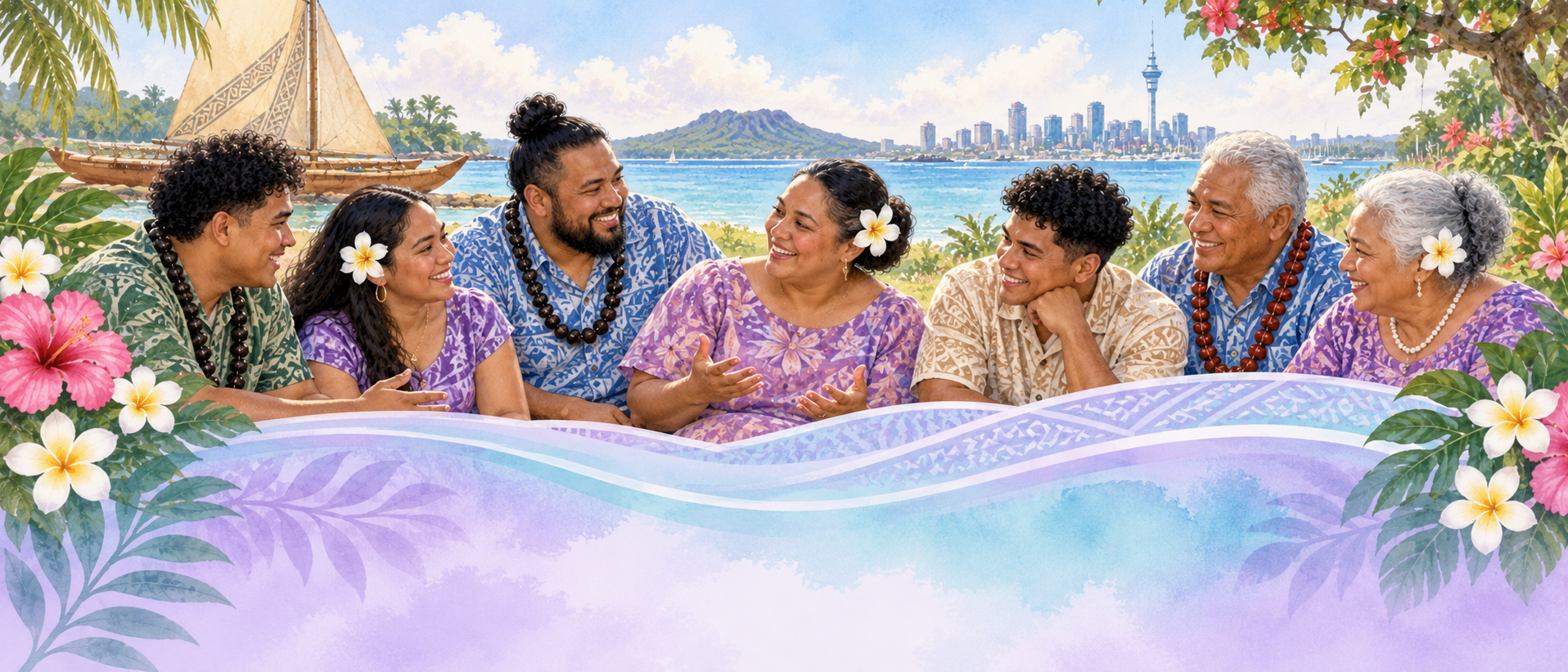
Explore culturally responsive wellbeing information and professional, peer and community support for Pacific adults across Aotearoa — whether working, studying, parenting, caring, living independently or navigating later-life changes.
Pacific Peoples are diverse, and there is no one approach suitable for every culture, language, gender, family, faith or personal preference.
Mental wellbeing can be shaped by personal health, relationships, cultural identity, work, employment, housing, study, responsibilities, discrimination, isolation and connection. Families and communities may be valuable supports, but their involvement should always respect the individual’s wishes, consent and safety.
People may identify with Samoan, Tongan, Cook Islands Māori, Niuean, Tokelauan, Fijian, Tuvaluan, Kiribati and other Pacific communities. Cultural models such as Fonofale may be helpful for some, without replacing person-led, evidence-informed professional assessment when needed.
Ask for preferred language support and a qualified interpreter for sensitive healthcare discussions where available; do not assume all Pasifika adults share a language or want relatives to interpret.
Stress, grief, loneliness, anxiety or burnout can affect anyone. Notice changing sleep, mood, energy, concentration or relationships. Small steps may include trusted conversations, rest, accessible community activities, and professional advice when concerns persist or interfere with daily life.
No one needs to wait until a crisis to request support. Different approaches suit different people.

Search by concern, select the support area or choose who is looking. Each pathway leads to a relevant information or service-navigation page.
Moving from study to work, housing, friendships, independence and changing family roles.
Explore this pathway →Recognise work-related stress, fatigue, discrimination and when to seek professional help.
Explore this pathway →Job loss, income uncertainty, financial stress and practical support routes.
Explore this pathway →Talking about emotions, stigma, connection, healthy coping and requesting support.
Explore this pathway →Mental wellbeing across reproductive, caregiving and other life stages.
Explore this pathway →Balancing family responsibilities, parenting, work, cultural connections and rest.
Explore this pathway →Friendships, purpose, relationships, isolation and individual goals without assuming parenthood.
Explore this pathway →Healthy communication, boundaries, separation, grief and relationship support.
Explore this pathway →Supporting partners, children or older relatives while protecting your own wellbeing.
Explore this pathway →Later-life transitions, community connection, bereavement and age-appropriate care.
Explore this pathway →Ask for support in your preferred language and qualified interpreters where available.
Explore this pathway →Samoan, Tongan, Cook Islands Māori, Niuean, Tokelauan, Fijian, Tuvaluan, Kiribati and other Pacific experiences.
Explore this pathway →Pacific-led community groups, culturally welcoming peer support and connection.
Explore this pathway →Optional faith or spiritual support where it matches each person’s own preferences.
Explore this pathway →Discuss counselling needs, culturally responsive approaches, referrals and costs.
Explore this pathway →Ask a GP or suitable primary care provider about concerns, physical health and referrals.
Explore this pathway →Learn when psychological assessment, psychiatry or specialist mental health care may be relevant.
Explore this pathway →Anxiety, depression, trauma, grief, addiction, diagnosis and help-seeking.
Explore this pathway →Autism, ADHD, learning differences and sensory or communication accommodations.
Explore this pathway →Accessible communication, appointments, disability inclusion and complex care needs.
Explore this pathway →Culturally responsive and identity-affirming services with privacy and chosen family considerations.
Explore this pathway →Remote appointments, transport barriers, regional services and privacy in telehealth.
Explore this pathway →The NZ Code of Rights, informed decisions, cultural safety and complaints.
Explore this pathway →Immediate safety, separate crisis pathways, emergency response and trusted help.
Explore this pathway →No matching pathways. Try another search or reset the filters.

Adults may be juggling work demands, unemployment, housing costs, tertiary study, caregiving, community responsibilities and time for themselves. Everyone’s roles and circumstances are different.
Ask employers, education providers and community organisations about available wellbeing supports, accessibility adjustments and appropriate professional referrals.
GPs and suitable primary-care providers can discuss symptoms, physical health, treatment and specialist referrals. Depending on needs, care may involve a counsellor, psychologist, psychiatrist, Pacific-led provider or multidisciplinary mental health team.
Ask before booking about Pacific language availability, professional qualifications, wait times, referral requirements, costs, appointment accessibility, culturally safe care and options for whānau involvement if you want it.
Screening, professional assessment and a diagnosis are different processes. An informal online quiz is not a substitute for clinical evaluation.
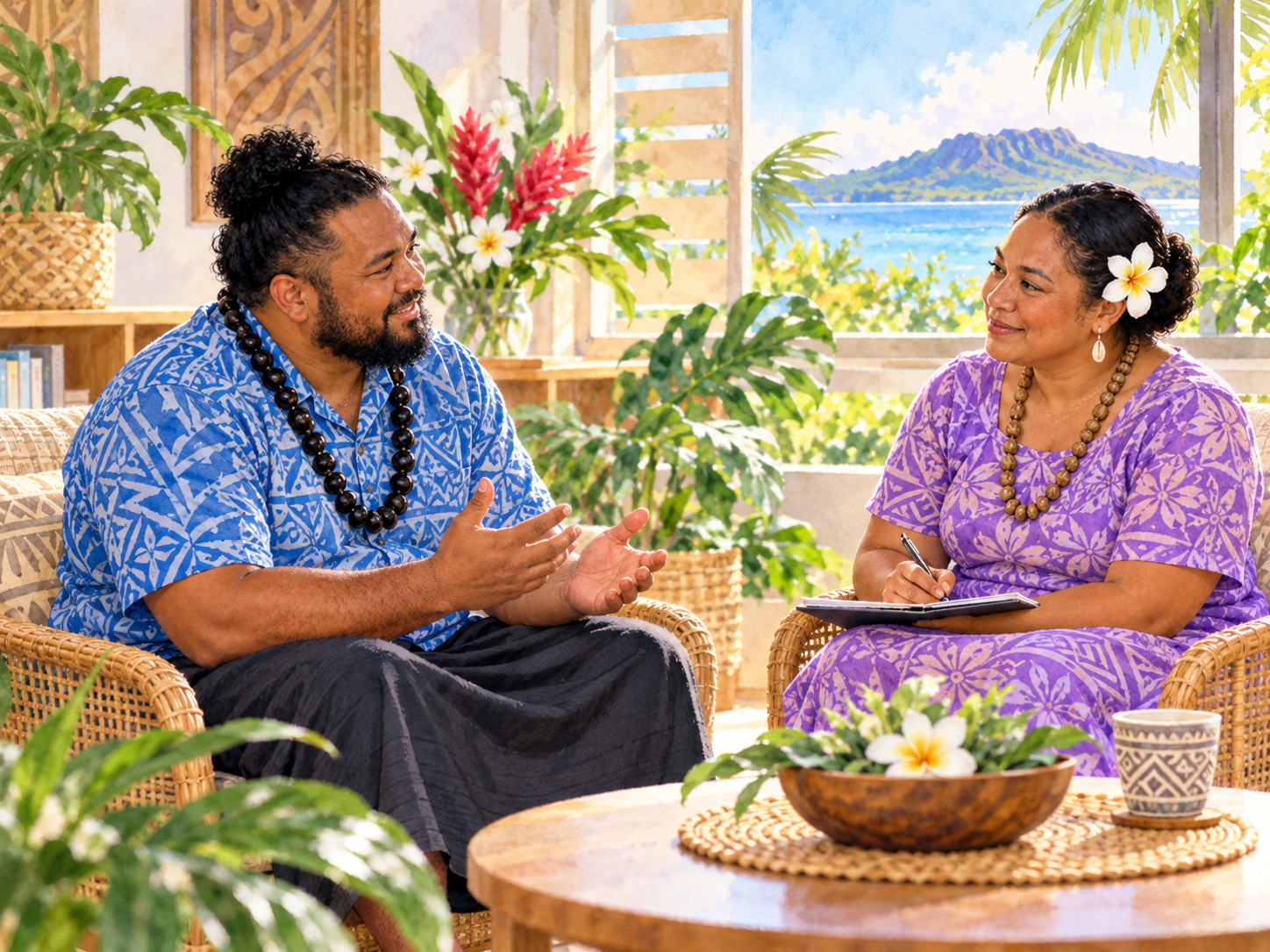
Pacific adults may also be disabled, neurodivergent, Rainbow/LGBTQIA+, migrants, carers or people managing ongoing health conditions. Ask providers about interpreters, plain-language explanations, sensory needs, mobility accessibility, communication preferences and a confidential setting.
Spiritual and faith-based support may matter to some people but must remain optional. People should not feel pressured to disclose personal information to family, faith groups or employers.
These are the agreed Pasifika Mental Health & Wellbeing destinations, including specialist sibling pages that may still be under development.
Separate crisis and regional navigation:
In immediate danger, call 111. For free 24/7 emotional support, call or text 1737 to speak with a trained counsellor. 1737 is not an emergency dispatch service.
If you or someone else needs urgent assessment, seek appropriate local crisis or emergency care. A general community programme or online appointment is not a substitute for emergency response.
Ask the service about culturally responsive practitioners and your preferred language. Availability depends on the service and location. For sensitive conversations, ask about a qualified interpreter.
No. You can discuss who you want involved. Consent, privacy and your own preferences matter, subject to applicable law and clinical safeguarding duties.
You can speak with a GP, counsellor or suitable support provider. Ask about workplace adjustments, practical help and community support suited to your circumstances.
A GP or appropriate clinician can discuss referral options. The process depends on the concern; assessments for mental health conditions, autism, ADHD and learning differences may involve different professionals and pathways.
People using NZ health and disability services have rights to respectful services, effective communication and informed choice under the Code of Rights. Independent advocacy and complaint pathways are available.