Pacific-led services
How to find Pacific-led or Pacific-responsive services, including questions about staff, language and values.
Explore pathway →
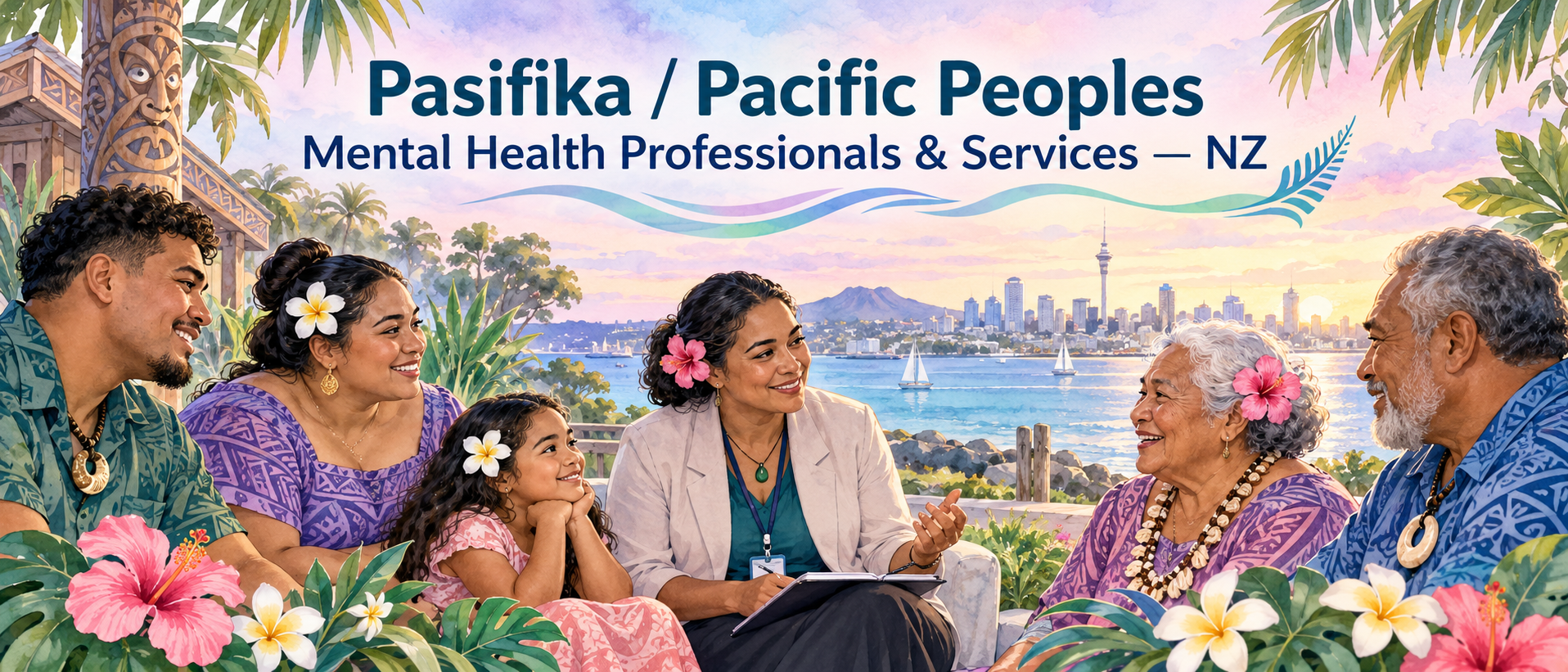
Find clearer pathways to GPs, counsellors, psychologists, psychiatrists, assessments, language assistance and Pacific-led support. Explore options for children, adults, elders, families and every Pacific community across Aotearoa.
Pasifika and Pacific Peoples include many distinct communities: Sāmoan, Tongan, Cook Islands Māori, Niuean, Tokelauan, Fijian, Tuvaluan, i-Kiribati and others. People’s experiences, language preferences, faith, identity, migration history and family relationships vary. You can ask about Pacific-led services, cultural safety and an interpreter without assuming every family wants the same care.
Pacific models such as Fonofale may help people discuss family, culture, spiritual wellbeing, physical and mental health, time and environment. This model does not replace individual clinical assessment or personal choice.

GPs and primary-care teams can explore concerns, offer initial treatment and make referrals. Counsellors and psychotherapists provide talking therapy and support; training and registration vary. Psychologists provide psychological assessment and therapies within their scope. Psychiatrists are medical specialists who can assess and treat complex mental health conditions and prescribe medicines.
Community workers, peer workers and Pacific navigators may support access, connection and practical needs; they do not necessarily provide clinical diagnosis. Ask about a practitioner’s qualifications, role, experience, costs and languages.

Search by professional type, access need or life stage. These links guide you to information and support pathways; they are not a live database of available appointments.
How to find Pacific-led or Pacific-responsive services, including questions about staff, language and values.
Explore pathway →Talk with a GP or primary-care team about symptoms, care plans, referrals and follow-up.
Explore pathway →Explore talking therapies, relationship support and culturally responsive practitioners.
Explore pathway →Learn how psychological assessment and evidence-based therapies can support different needs.
Explore pathway →Understand specialist mental health referrals, diagnosis, medication reviews and continuing care.
Explore pathway →Explore what assessments involve, how results are explained and how to ask questions.
Explore pathway →Ask about public eligibility, private fees, waiting times and alternative services.
Explore pathway →Request preferred-language communication, qualified interpreters and information you understand.
Explore pathway →Find age-appropriate mental health professionals and pathways involving whānau by choice.
Explore pathway →Explore how family members can support appointments while respecting privacy and consent.
Explore pathway →Find professional care connected to work, relationships, responsibilities and wellbeing.
Explore pathway →Consider age-friendly assessment, physical health, grief, isolation and cultural support.
Explore pathway →Community connection can complement clinical services, but is not a substitute for emergency care.
Explore pathway →Explore rural referrals, travel, phone/video care and access across both islands.
Explore pathway →Request sensory adjustments, communication aids, accessible information and extra appointment time.
Explore pathway →Seek inclusive care that respects gender, identity, confidentiality and cultural background.
Explore pathway →Find appropriate assessment and care for mental health topics and co-occurring needs.
Explore pathway →Understand NZ consumers’ rights, informed consent, confidentiality and options for complaints.
Explore pathway →Write down concerns, medications, needs, preferred language and who you want involved.
Explore pathway →If there is immediate danger call 111; for someone to talk to in NZ, call or text 1737.
Explore pathway →No results. Try a different word or reset the filters.

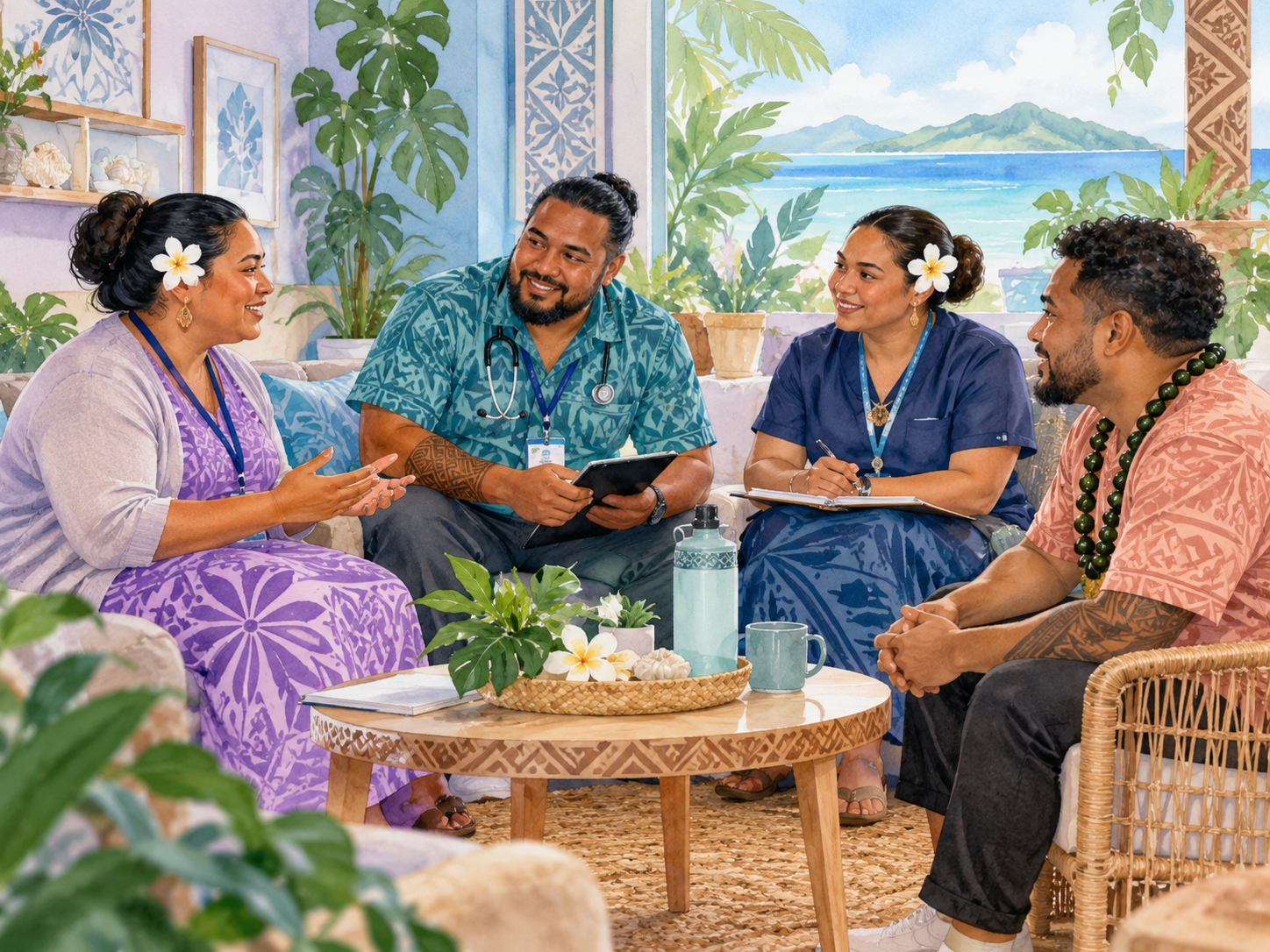
Ask whether you can self-refer or need a GP referral. Publicly funded care, community services and private appointments may have different eligibility criteria, fees and waiting times. Some Pacific providers offer culturally grounded support and care coordination.
You can ask whether a team has Pacific staff, interpreters or experience supporting neurodivergent, disabled or Rainbow people, and whether a trusted support person can attend with you.
Write down the main concerns, how long they have been present, current medicines, accessibility needs and questions you want answered.
Ask about diagnosis or assessment options, treatment choices, possible benefits or risks, referrals, costs, confidentiality and how to contact the team.
Ask for a clear summary, follow-up plan and what to do if things change. Request translated or accessible information where available.
In New Zealand, the Code of Health and Disability Services Consumers’ Rights includes rights to effective communication, information and informed choice and consent. You can ask for an interpreter and discuss who is involved in your care.
For a video or phone consultation, check privacy, internet access, appointment length, accessibility, language support and whether an in-person assessment may still be needed. Children and young people should be offered age-appropriate care and appropriate involvement in decisions.
Family can be a valuable support, but the person receiving care should be involved in decisions about privacy, consent and who joins appointments in accordance with applicable NZ law.

These are the planned and existing destinations in our NZ Pasifika wellbeing network. Newly planned pages may not be live until published.
This collection’s central wellbeing doorway.
Open pathway →Explore the related Pasifika wellbeing, support or specialist pathway.
Open pathway →Explore the related Pasifika wellbeing, support or specialist pathway.
Open pathway →Explore the related Pasifika wellbeing, support or specialist pathway.
Open pathway →Explore the related Pasifika wellbeing, support or specialist pathway.
Open pathway →Explore the related Pasifika wellbeing, support or specialist pathway.
Open pathway →Explore the related Pasifika wellbeing, support or specialist pathway.
Open pathway →Explore the related Pasifika wellbeing, support or specialist pathway.
Open pathway →Explore the related Pasifika wellbeing, support or specialist pathway.
Open pathway →Explore the related Pasifika wellbeing, support or specialist pathway.
Open pathway →
Immediate danger or emergency: call 111. For someone to talk to at any time, free call or text 1737 for trained counsellor support. 1737 is not an emergency dispatch service.
It depends on the service. Some community or counselling services accept self-referrals while many specialist public services need an assessment or referral. Ask the provider directly.
Yes. Tell the service your preferred language before the visit and ask what interpreter arrangements are available. Do not assume that relatives must interpret sensitive information.
You can ask to bring someone you trust. Confidentiality, consent and any specific legal requirements still apply, especially for children and young people.
You can raise concerns, discuss other options, ask for accessible communication, or consider changing providers where possible. For information about consumers’ rights, visit the Health and Disability Commissioner.