
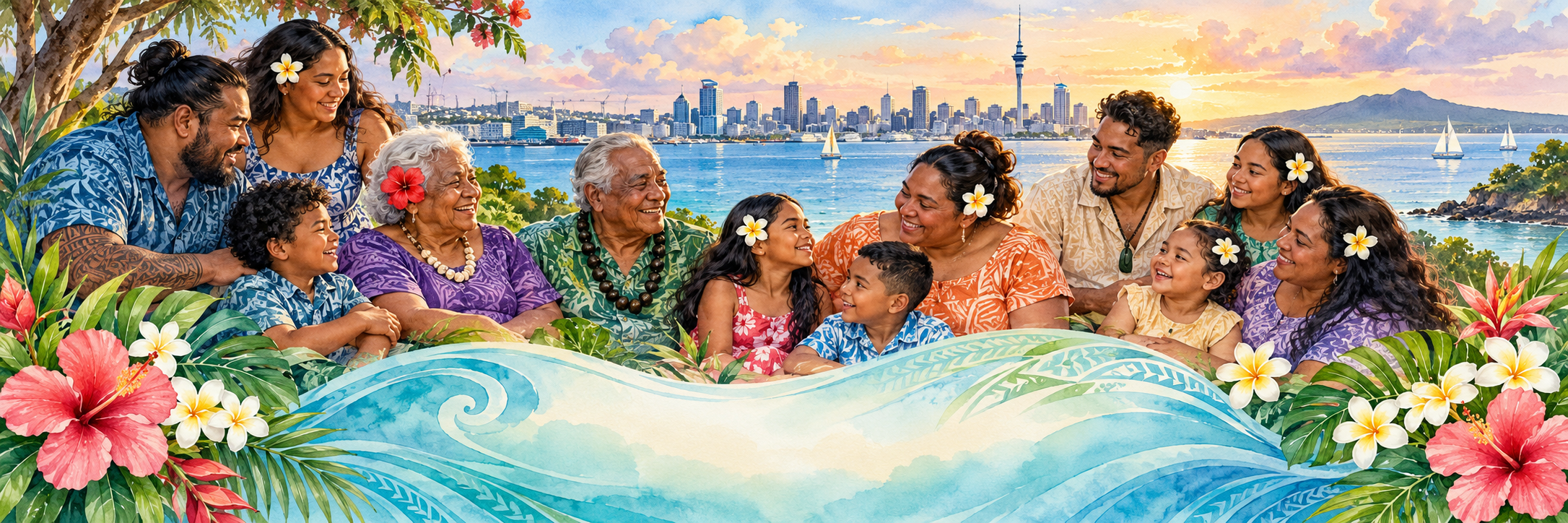
Pasifika / Pacific Peoples Mental Health Community & Peer Support — NZ
Explore Pacific-led community groups, welcoming peer connections and cultural wellbeing support for individuals, familie s, young people, adults and elders across Aotearoa.
Pacific Peoples are diverse, with distinct languages, identities and traditions. Choose the supports that suit your own needs; faith or whānau participation is never assumed.
When help is urgent
For an immediate emergency in New Zealand, call 111. For free emotional support, call or text 1737. Community or peer groups cannot provide emergency assessment or crisis response.
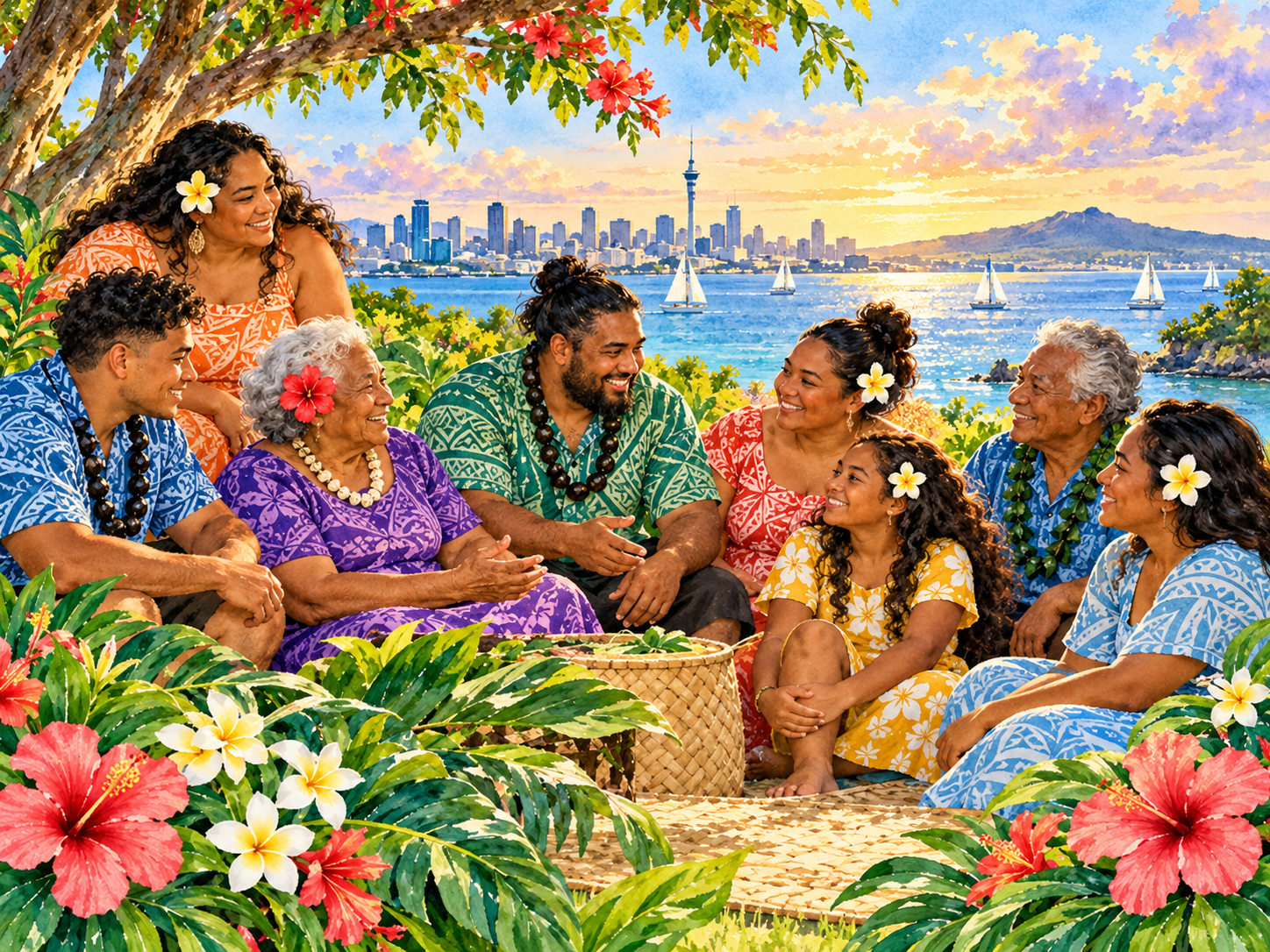
Belonging, identity and mutual support
Community connection can support wellbeing through trusted relationships, shared experience, language, culture, creativity and collective care. Some programmes are Pacific-led, while others offer culturally responsive support in wider community settings.
Ask whether a group is open to the public, has a trained facilitator, offers private conversations, and can meet language or accessibility needs. Group availability differs by location.
Find a community pathway
Sea rch by topic, choose an area of support or select who the information is for. These are guidance routes, not a database of verified live group meetings.
No matching pathways. Try another term or reset.
Pacific-led community organisations
Explore local Pacific-led groups, networks and programmes; confirm eligibility, language and location.
Explore this pathway →Lived-experience peer support
Connect with people who share experiences, while understanding that peer groups do not replace clinical treatment.
Explore this pathway →Finding a safe support group
Ask about group rules, facilitation, confidentiality, fees, safety and whether a trial visit is possible.
Samoan community connections
Find Samoan-language and culture-aware groups; support may be in English, gagana Samoa or both.
Tongan community connections
Explore lea faka-Tonga and Tongan community-led wellbeing opportunities.
Cook Islands Māori communities
Find cultural, language and family wellbeing pathways with Cook Islands Māori communities.
Niuean and Tokelauan communities
Seek community connections that respect vagahau Niue and gagana Tokelau preferences.
Fijian, Tuvaluan, Kiribati and other Pacific communities
Find culturally specific networks without assuming every Pacific community has identical needs.
Children and younger teens
Community belonging, safe activities, school wellbeing and caregiver-supported groups.
Explore this pathway →Teenagers and young adults
Peer connection, social pressures, transitions, study and youth-led opportunities.
Explore this pathway →Parents, families and carers
Family wellbeing circles, parenting support and the needs of people supporting relatives.
Explore this pathway →Pasifika adults
Work and life pressures, connection and meaningful community activities.
Explore this pathway →Older people and elders
Elder groups, transport, isolation, language access and intergenerational belonging.
Explore this pathway →Men’s community wellbeing
Welcoming groups that acknowledge different experiences of seeking support.
Women’s community wellbeing
Supportive connections across life stages, family roles and personal wellbeing.
Rainbow Pasifika and allies
Find identity-affirming, confidential groups that respect both culture and sexuality or gender.
Explore this pathway →Neurodivergent and disabled Pacific Peoples
Ask about sensory needs, cle ar communication, AAC, mobility, support people and accessible venues.
Explore this pathway →Optional faith and spiritual communities
Spirituality may support wellbeing for some, but participation must remain voluntary and non-judgemental.
Rural and regional connections
Explore outreach, local Pacific organisations, travel support and regional dire ctory pathways.
Explore this pathway →Online and hybrid communities
Check moderation, privacy, digital accessibility and whether sessions can be attended remotely.
Explore this pathway →Community wellbeing versus clinical care
For diagnosis, medication or worsening symptoms, connect with a qualified clinician alongside community support.
Explore this pathway →Topics, assessments and concerns
Understand anxiety, depression, grief, addiction, screening and referrals through locally relevant pathways.
Explore this pathway →Families seeking urgent help
Identify immediate safety risks and use official NZ crisis options rather than a peer group alone.
Explore this pathway →Creating a welcoming community group
Use inclusive communication, consent, privacy, accessible scheduling and culturally respectful participation.
Peer connection and friendship
Peer support can of fer understanding, encouragement and practical ideas from people with shared experience. It works best when people can set boundaries, decline personal questions and choose whether they share their story.
Look for groups that explain safeguarding, confidentiality, complaint processes, moderation and how they respond if someone becomes distressed.
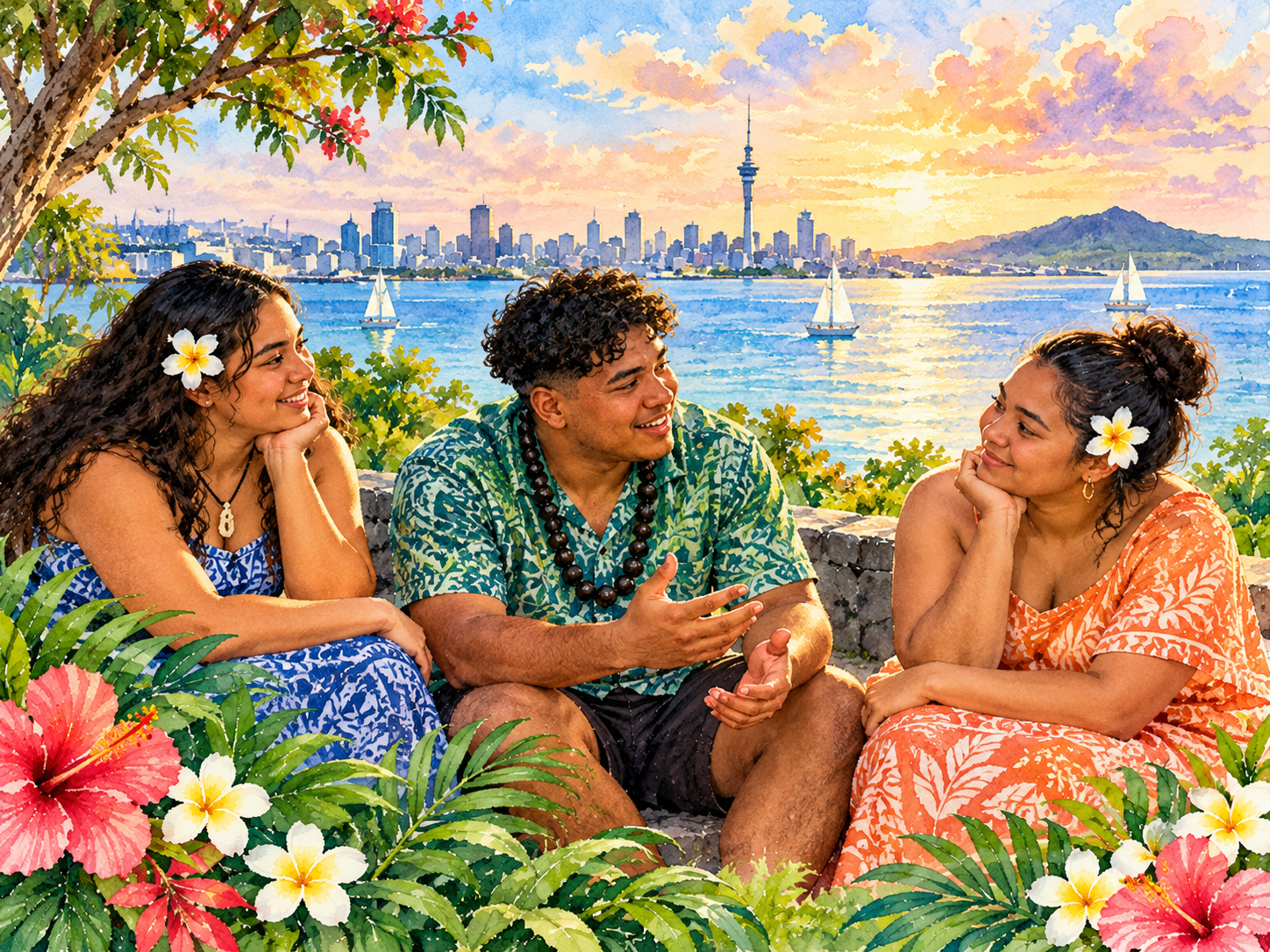
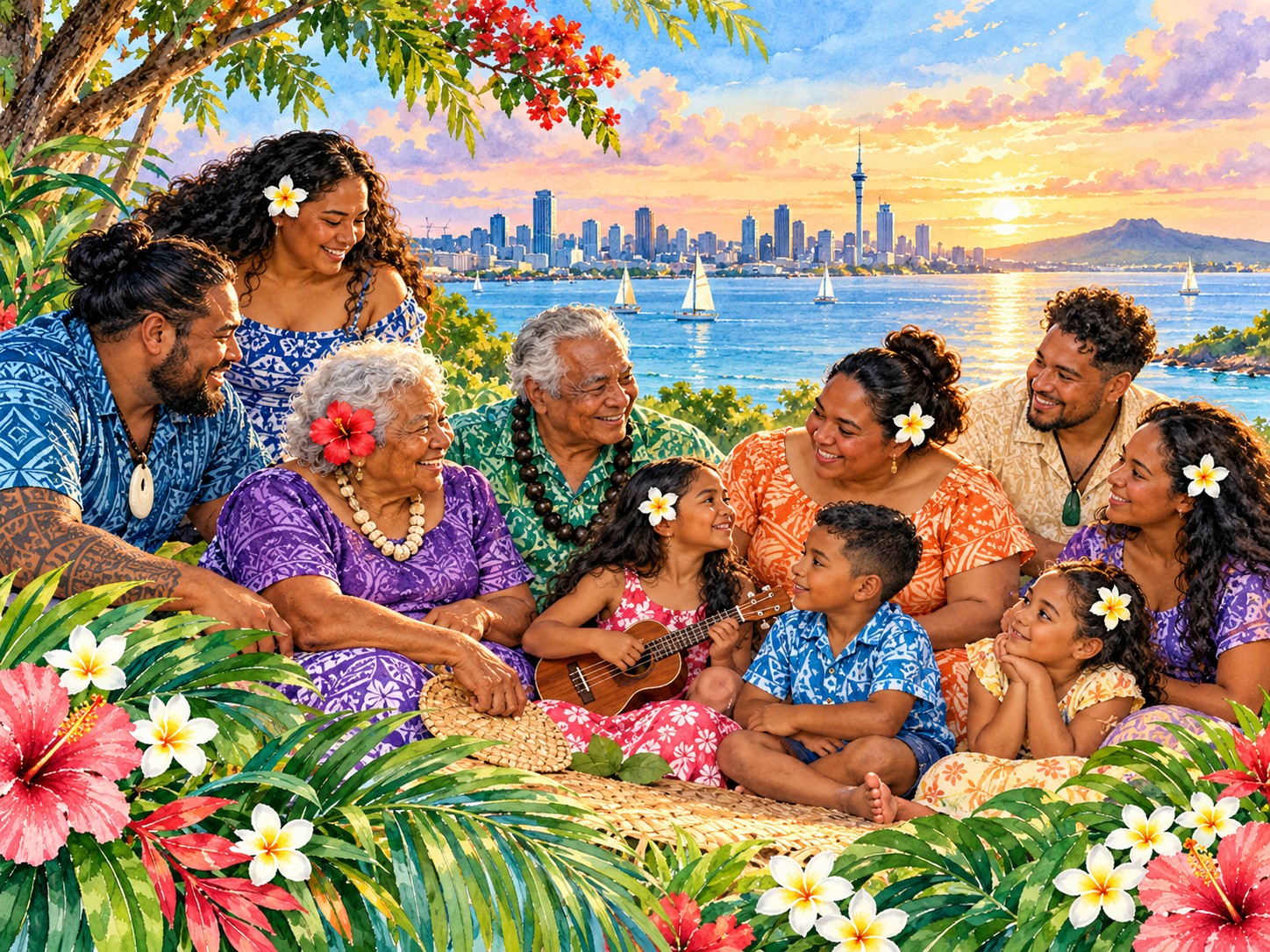
All generations, all kinds of families
Children, parents, adult relatives, grandparents and elders may all seek community connection. Support can also come from friends, neighbours, youth leaders and chosen family—not only traditional family arrangements.
Respect each person’s consent and preferences. Older people, younger people and carers may each want different levels of privacy, language support and involvement.
Pacific languages, communication and accessibility
Pacific communities include Samoan, Tongan, Cook Islands Māori, Niuean, Tokelauan, Fijian, Tuvaluan, Kiribati and many other identities and languages. A programme may operate in English, a Pacific lang uage, or several languages; ask the provider what is actually available.
Visitors may need interpretation, clear written information, AAC, hearing and vision access, wheelchair-friendly venues, quiet areas, flexible transport, online participation or a supporter of their choice. No one should be pressured to share diagnoses or personal history within a group.
Browse the full Pasifika wellbeing collection
Explore connected support across ages, services, topics, communities and urgent-help pathways.
Pasifika main wellbeing hub
Cultural wellbeing and support pathways
Explore this page →Professionals & services
Pacific-led, clinical and counselling pathways
Explore this page →Children & young people
Children, school and young adult support
Explore this page →Families, parents & carers
Family and carer wellbeing
Explore this page →Pasifika adults
Working-age and adult community wellbeing
Explore this page →Older people & elders
Elder and intergenerational support
Explore this page →Community & peer support
This community and peer support gateway
Explore this pag e →Rural, regional & online
Distance, accessibility and online options
Explore this page →Topics & assessments
Mental health topics and professional assessment
Explore this page →Pasifika mental health crisis — NZ
Separate NZ crisis support and urgent help information.
Crisis support →Pacific Peoples Crisis Support — Worldwide
Explore the wide r Oceania crisis index while country and island-specific resources are reviewed.
Oceania crisis hub →Common questions
Do I need a diagnosis to join a peer group?
Many community or peer groups welcome people without a diagnosis, but each group sets its own eligibility. Ask before attending.
Can families attend together?
Some programmes welcome relatives together while others are age- or role-specific. Contact the organiser and respect each participant’s privacy and choice.
Are Pacific-led groups always religious?
No. Some may include faith-based activities, while others are secular or mixed. You can ask about the group’s approach and choose what suits you.
Can a peer support group diagnose or prescribe medication?
No. For diagnosis, prescriptions or specialist treatment seek a suitably qualified healthcare professional.
What if no group is available near me?
Ask community organisations about regional outreach, remote attendance, accessible transport and suitable online alternatives.