
Teachers’ Mental Health
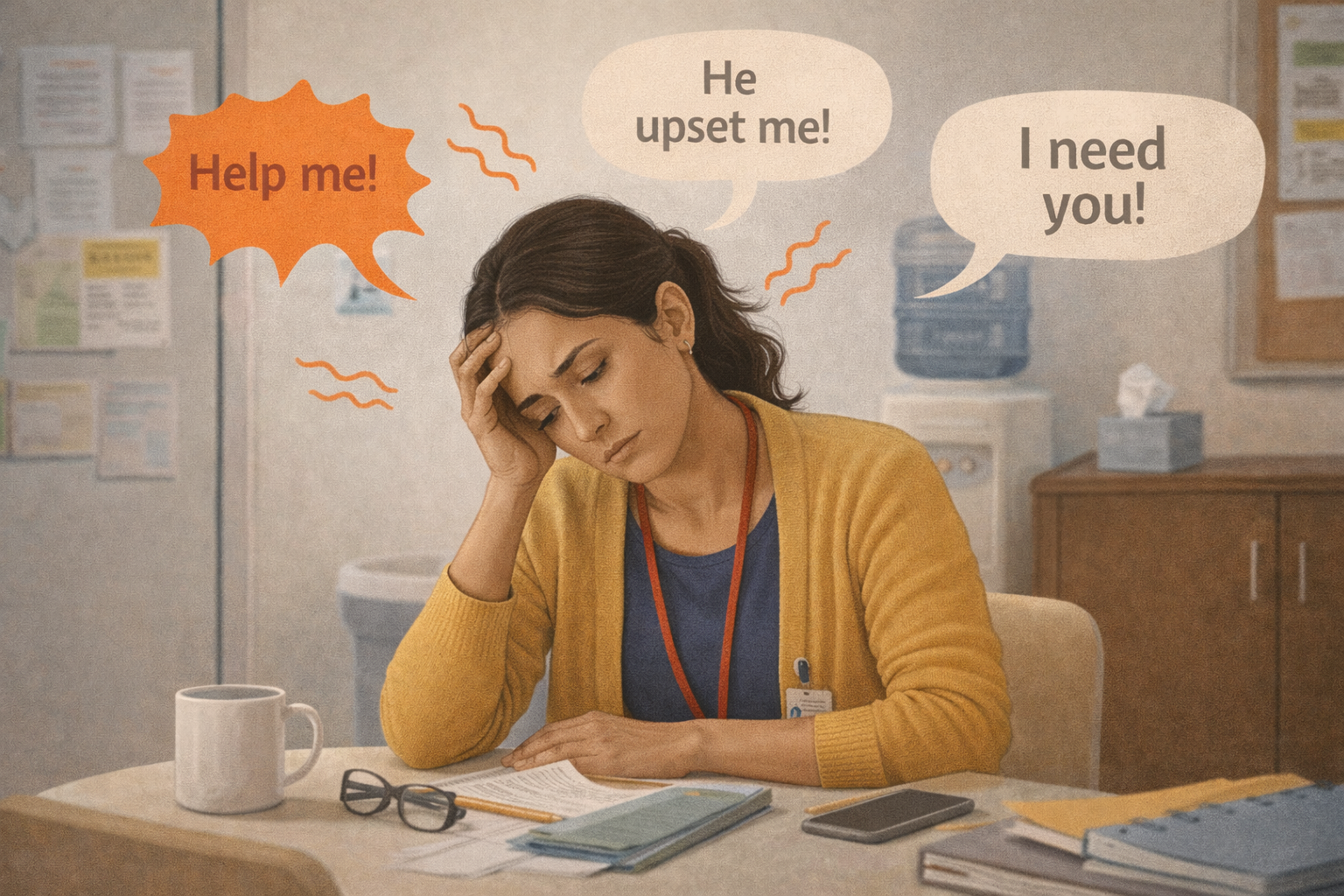
Teaching is deeply relational work. Teachers don’t just deliver lessons — they hold emotional space for students, families, colleagues, and systems every day. Over time, this emotional load can quietly become overwhelming.
Compassion fatigue happens when prolonged emotional caregiving begins to drain your capacity to respond with empathy and energy. It can show up in any caring profession — especially when support and recovery time are limited.
Emotional labour is the effort of regulating your feelings to meet expectations — staying calm, kind, and “together” even when you’re stretched thin.
Compassion fatigue does not mean you care less. It means you have been caring for too long without enough support, boundaries, and recovery.
Phrases like “it’s just part of the job” can minimise emotional labour. Naming compassion fatigue validates teachers’ experiences and reduces shame.
If emotional exhaustion is affecting your wellbeing, reaching out early can help. Options may include EAP, your GP, counselling, supervision/mentoring, or workplace support pathways.